“you don’t go out looking for cool things to happen, but you go out knowing that cool things could happen every time…I just tell people, just go, just get out… You never know what you’re going to see, but you aren’t going to see it in the living room. You have to be there.” Sam Cook (Duluth Herald Tribune retired columnist)
“Come on in,” called Dorothy Molter, after I had paddled up to shore at Isle of Pines, her island home on Knife Lake, and knocked at the door. Dorothy was a legend. She left nursing and Chicago in 1930, lived on an island in Knife, a long, narrowish lake, with a few long arms, straddling the border between Minnesota and Ontario. Called “The loneliest woman in America,” Dorothy had hundreds of visitors every year. She was grandmothered in and allowed to live the rest of her life there after the Wilderness Act of 1964 required resorts to be taken down, power boats removed, limited numbers of people who could go in, and even how low planes could fly.
Dorothy gave me some of her famous root beer, and as we talked, I commented that it was a little more difficult to canoe trip when I was 32 then it had been when I was 18, guiding canoe trips in Algonquin Park, wearing the coveted red neckerchief that only guides wore.
“Yes,” Dorothy replied, completely straight-faced, “I don’t paddle and carry as well as I once did, either.” Dorothy had 42 years on me and she would live for 5 more, her statement a lovely put down to my comment about age.
When Ely Echo editor Bob Cary interviewed me in 1992 about my season in Ely, the fact I had met Dorothy made the article. “Jackpine Bob” wrote a book about her, The Root Beer Lady.
I first put a canoe on my head 63 years ago as an apprentice, carried wooden Old Towns, slept in canvas tents or under a canoe. Nobody had heard of Leave No Trace. We had can pits, cut live balsam for tent stringers every night, and washed dishes in the lake. In my 20s, my being on the water was salt water, in the Navy, fifty thousand nautical miles and 3 Pacific crossings.
In my 30s and 40s, I explored the Quetico-Superior as much as I could. In my office, I had a map with dots where I camped and lines where I traveled. After each trip there was new ink on the blue and green splotches. I looked at the map often, dreaming and planning the next adventure. Eventually, I realized that giving back to the wilderness was more important than having a personal proving ground, but this land would always remain a personal decompression place for me.
At 43, I volunteered in Ely for the Forest Service, a half year leave of absence from my medical practice, took 22 canoe trips and spent 100 days in the woods that summer. I was a decade older than the guy who visited Dorothy Molter, in better shape, knowing now the lakes, portages, campsites, trees and other plants. Four years later, my wife’s and my 25th anniversary, we paddled a 110 mile 11 day loop through three ranger districts. I stopped single carrying portages, all the gear and the canoe over in one trip, in 2001, at 52. I had nothing to prove and a lot I could hurt. Besides, I enjoyed walking back in the woods for a second trip across the portage. Single carrying didn’t matter.
After 2002, we base camped on Lake Insula for 7 years. We enjoyed day trips exploring side bays, finding trails that led to other lakes or were a short cut. In 2005, I soloed to Kawnipi Lake one last time. Many of us who plied the canoe routes of Hunter’s Island felt Kawnipi was the most beautiful lake on either side of the border. I won’t go again, but it doesn’t matter. I was there six times, loved it, thankful for my good fortune.

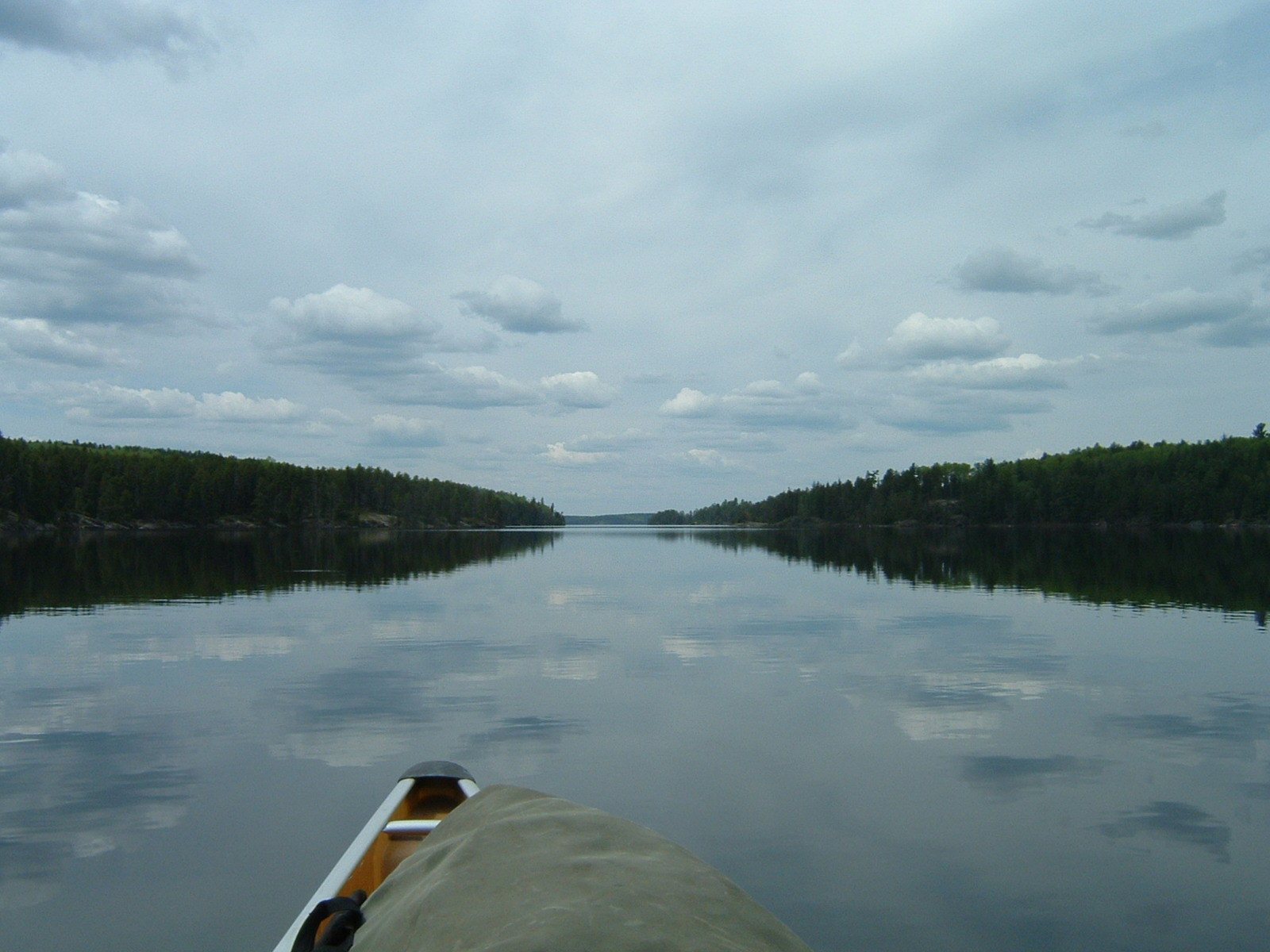
The year I turned 60, my wife and I aborted the first day’s paddle to Lake Insula, one we could do in 7 hours, because of heavy rain. We stopped, pitched the tent and stayed comfortable. Making Insula that day didn’t matter. We made it easily the next day.

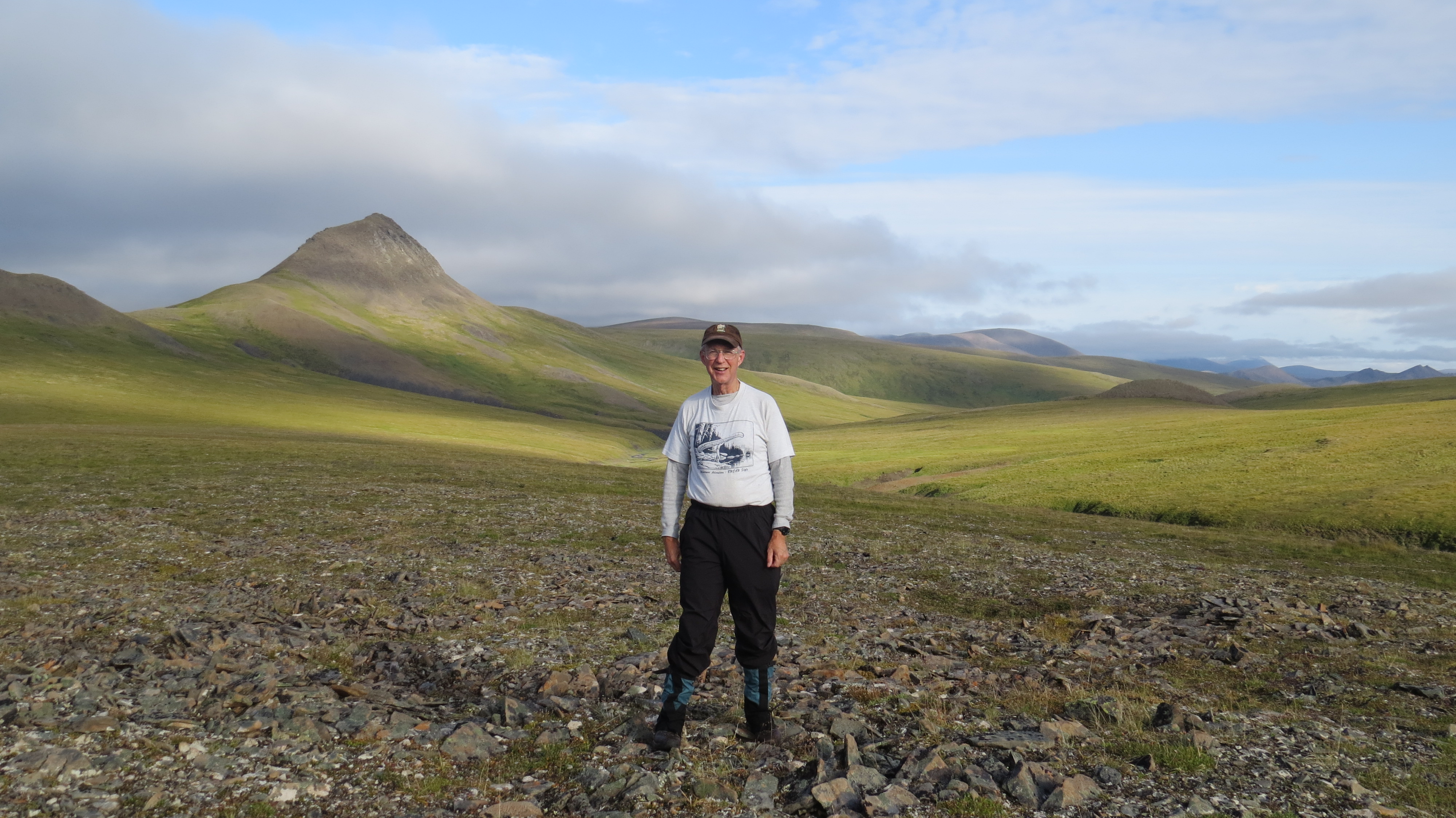
The clock ticked louder. On my fifth backpack trip to the Brooks Range, in my 64th year, I carried 75 pounds up a long hill west of but still in sight of the northern Dalton Highway, on the way to Summit Lake in the Gates of the Arctic NP. It was a tough trip, and I wasn’t sure I would or could do a sixth, but there was a trip offered to the Wulik Mountains in the far west Brooks, country I hadn’t seen, wonderful, wild country, and perhaps I had one more trip in me. I backpacked the Wuliks.

Several years later, nearly everybody passed me on a tough hike up Oregon’s Larison Rock Trail, which I had led for years. It was a first, but it didn’t matter. When I was 76, I developed cancer and needed hormonal therapy. I changed, or perhaps was changed. I used to want to be on a saw, cutting out logs. But now, it didn’t matter. I enjoyed leading a crew twice to Lowder Mountain in the Three Sisters Wilderness to brush the meadows by hand so hikers could find the trail. What I didn’t expect was my becoming a connoisseur of smaller things, as if I had traded my hiking strength for increased ability to notice subtleties around me. I changed my “macro” view from the open horizons of Sig Olson to a “micro” quiet magic view of Duluth writer Sam Cook, trying to follow rules of poet Mary Oliver: “Pay attention. Be astonished. Tell about it.”
That matters.








 Boreal B[l]og