Posts Tagged ‘Outdoor writing’

REMEMBERING PRINEVILLE AND 30 MILE

August 1, 2013

The Yarnell Hill fire that killed 19 Granite Mountain Hotshots from Arizona has already been blamed on “enviros”, like the 2011 Pagami Creek Fire in my favorite area of the Boundary Waters.  I don’t like the word “enviros,” and I am deeply disturbed how charged words end up in the vernacular, because the side who opposes my views keeps repeating them.  That’s how we got “Obama Care,” “death panels,” and “activist judges.”  For the record, it is the Affordable Health Care Act, and there is a lot of evidence to support the notion that the conservative side of the Supreme Court is activist, not the liberal.  Repetition does not always increase validity.  But back to Yarnell Hill.

Had the area been logged “appropriately,” some said, there would have been no fire.  Logging=jobs.  Jobs=money.  Money=things and kids.  Lots of kids.  Too many kids for the jobs available and for the carrying capacity of the world.  We think the world won’t change.  But it does. Email and online banking have hurt the post office.  Our big steel and copper industries are now small.  No longer are there well paying jobs for people coming out of high school.  Newspapers are in trouble.  The Grand Banks fisheries collapsed.  What happened to record and book stores?  I could extend the list; all these industries have had to change or disappear.

The world has changed, and the forests have, too; in part, because we put out natural fires, because of insects, and because of climate change, which affects the environment, including parasitic beetles.

Since I am an environmentalist, a so-called tree hugger (which I literally am), I am going to play the “blame game” here, since many of my detractors are not called out on their boorish behavior, counting on the rest of us to have been brought up well by our mothers to remain silent.

How dare you blame me and my beliefs for the deaths of the firefighters!!  We haven’t even had the investigation completed yet, but I will bet any amount of money there will be recommendations made that are going to anger a lot of people.  That is all I will say about my predictions.  I have a decent idea of why this occurred, but the investigation will tell me a lot more, some of which will be consistent with what I think, some of which will not.  But rather than wait for the investigation, some wish to blast the environmentalists, so we can mine, cut, hack, and destroy the Earth in the name of money….perhaps in the name of some sort of Deity, too.

Some of the fault was done in the name of what we once thought was good. The Smokey the Bear mindset convinced at least two generations of people that all fire in wild country is bad. Human caused fires are bad, but if they can be caused by humans, they can be caused by lightning, too.  The media will refer to “land destroyed by fire”.  In 1989, we built in the Sonoita grasslands, south of Tucson.  During the building, a 300 acre grass fire burned over all our property.  The house was scorched but hardly damaged.  When I saw the scorched land, I said to myself, “This will take a long time to come back.”  Six weeks later—SIX WEEKS–there was fresh grass, it was brilliant green, and it was home again to animals.

In 2005, on a solo canoe trip to Canada’s Quetico Provincial Park, I walked on a portage where the Bird Lake Fire burned 10 years previously.  I saw thousands of jack pine trees, all the same age, over this area.  Not all will survive.  Some will, others will die or be stunted.  Jack pine cones need fire to sprout.  This will be a big, shady jack pine forest in 40 years.  I won’t live to see it, but it will be there.  Natural fire clears and cleans the wilderness.  I haven’t been back to Yellowstone since the fires of 1988, but those who have know the positive changes it has had on wildlife and the ecosystem in general.  Remember what we all thought in 1988?

How dare you use the deaths of the firefighters as a reason to log the forests!  What could be logged, where they died?  Why do we allow houses to be built in these fire prone areas?  Why should young men and women put their lives at risk to save property?  If “Prineville” and “30 Mile” don’t ring a bell with you, will “Yarnell Hill” mean anything in 2025?  Prineville, Oregon, was the town where the hotshots came from, who died at South Canyon in 1994.  Thirty miles north of Winthrop, Washington, in 2001, the 30 Mile fire killed four young men and women.  The former had at least 20 rules violated; the latter was a tragedy that could have been prevented by not fighting it in the first place, and a concatenation of mistakes.  Easy in hindsight?  Sure.  Before?  Perhaps.  Listen to the video and draw your own conclusions.

Let the investigation proceed.  Afterwards, I would welcome a national debate on how we should manage our forests, except the boors will shout down everybody else and refuse to consider anything other than their ideas.  Can we debate the known science?  Can we honor the memory of these 37 young men and women and all the others who were killed or maimed by learning what to fight, what not to fight, when to fight it, how to fight it, and when to step back?

DREAMS

July 25, 2013

I was in the Anchorage airport, late one night on my way home from my tenth trip to “The Great Land.” I stopped in the men’s room, and before I saw the pair, I recognized the smell that to me characterizes one thing: “we’ve just come out of the woods.”

It’s a difficult odor to describe.  It is woodsmoke plus something more.  Many people would just say the person needs a bath, and they wouldn’t be wrong.  But in the woods, we neither notice the smell nor particularly want a bath.  I can attest to that with a great deal of experience.  It is when one comes out of the woods that one notices the odor and really wants a shower.

As I washed my hands and turned from the sink, I accidentally brushed the pack one was carrying.  He apologized.

“Been there a lot,” I replied.  While I’m shy, I knew these young men were kindred spirits.  “Where did you guys go?” I asked.  They knew I wasn’t talking about cities but wild country.  I wasn’t going to hear “Juneau” but the Chilkoot, not “Homer” but “The Kenai”.

We started to talk.  The pair was young, at least 35 years younger than I, and this was their first trip to Alaska, where they spent 2 weeks in Denali and the Kenai.  They had wanted to do this trip now, while they could, because their lives were going to be busy in the coming years.  They did it.

Been there, too.  I told them about my 5 trips to the Brooks Range, and their eyes showed a gaze I’ve seen many times, and which I have shown others. It’s a far away gaze of longing, of thinking about wild country, of rivers nobody down here has ever heard of, like Kongakut, Aichilik, Nigu, Itchilik, Kobuk or Noatak.  It’s mountains and remote valleys.  It’s slogging through tussocks, in rivers, in swamps, in bear country.  It’s aufeis hiking and bugs in June, blueberries in July, rain and autumn colors in August.  It’s the most difficult country to hike that anybody can imagine, and it is also the most beautiful.  It is a country that kicks one’s butt, until finally one accepts it with the simple words, “It’s Alaska.”  Everybody up here understands that.

Normally, I don’t talk much to strangers, but when I’ve been out the bush for awhile, I find myself pretty talkative.  These guys were me, 35 years ago.  Then, my dreams took me to the Boundary Waters Canoe Area Wilderness, every year, to get into the backcountry, away from people, civilization, only me and the wild lakes and rivers.  I explored that country until I knew it as well as my home town.  Maybe better.  I sure loved it more.  Always will.

It was much later that I discovered Alaska.  Oh, I did the Chilkoot Trail in ’84, the Nahanni the following year and the Chilkoot and the upper Yukon in ’87, but I didn’t camp above the Arctic Circle until 20 years later.  By then, I knew if I didn’t start to make my dreams come true, they never would.  I hiked to the Arrigetch Peaks in Gates of the Arctic National Park, and then decided I’d come back to see ANWR.  I thought once to ANWR would be enough, but when Christmas came I got a letter from the guide saying he planned a real special ANWR trip the following year.  I had to do that one, of course, because I had the longing in my eyes. I could see the Dall Sheep and Caribou, a river I knew would be special, so I accepted and did the trip.  Tough? Very.  Weather issues?  Plenty.  But we saw wildlife I couldn’t believe, and I came out of there saying I had seen the ANWR I wanted to.

Except I still haven’t.  Probably never will, either.  I did two more trips into the Gates, one combining backpacking with a paddling.  We saw a dozen bears, four of whom walked blithely through our campsite one night. Alaska.

I still want to see the Sheenjek Drainage in ANWR.  I would be 65 if I did it, but I think I can. A guide-friend is willing, and I know a pilot who would get us to the jumping off point.  No question that we could do this trip.  When I think about it, I know I have the look in my eyes those young men had.  Age  doesn’t destroy that look.

I didn’t tell the pair to follow their dreams, as I have tried to follow mine.  They didn’t need me to say anything; they were already dreaming.  I could see it in their eyes.  They didn’t know how they were going to get up here again, where they would go, or what they would do, but they were going to do it.

They will see the Brooks Range, ANWR and deal with all the issues Alaska throws at those who go into the bush.  They will come out of the country filthy again, smelling, but not of woodsmoke, because they will have been north of the treeline, where night doesn’t exist in summer.  They will again take the redeye to Seattle or the Bay Area, where they live, thrilled to have done the trip, and already planning the next one.  They would have had adventures I would be jealous of, but only a little.

No, the two needed no encouragement to come back. Had I shown them my pictures of the Arrigetch, the Aichilik, or the Noatak, they might have cancelled their flight and stayed.  Some people do that.

To the wife of one of them, should either some day be married, I apologize.  I just happened to run into a fellow dreamer, somebody who reminded me of myself, and planted a few more dreams in his head.

Let him go to the Far North.  He has to do it. He will come back better for it.

But he will want to go the following year.

And maybe some day he will be 64, in a men’s room in an airport, talking to a 30 year-old who has just finished his first backpacking trip in Alaska…..

2 year-old griz on the Noatak. Out of focus because my hands were shaking. Distance: 25 meters. Anything between us? Air

Bull caribou, Noatak.

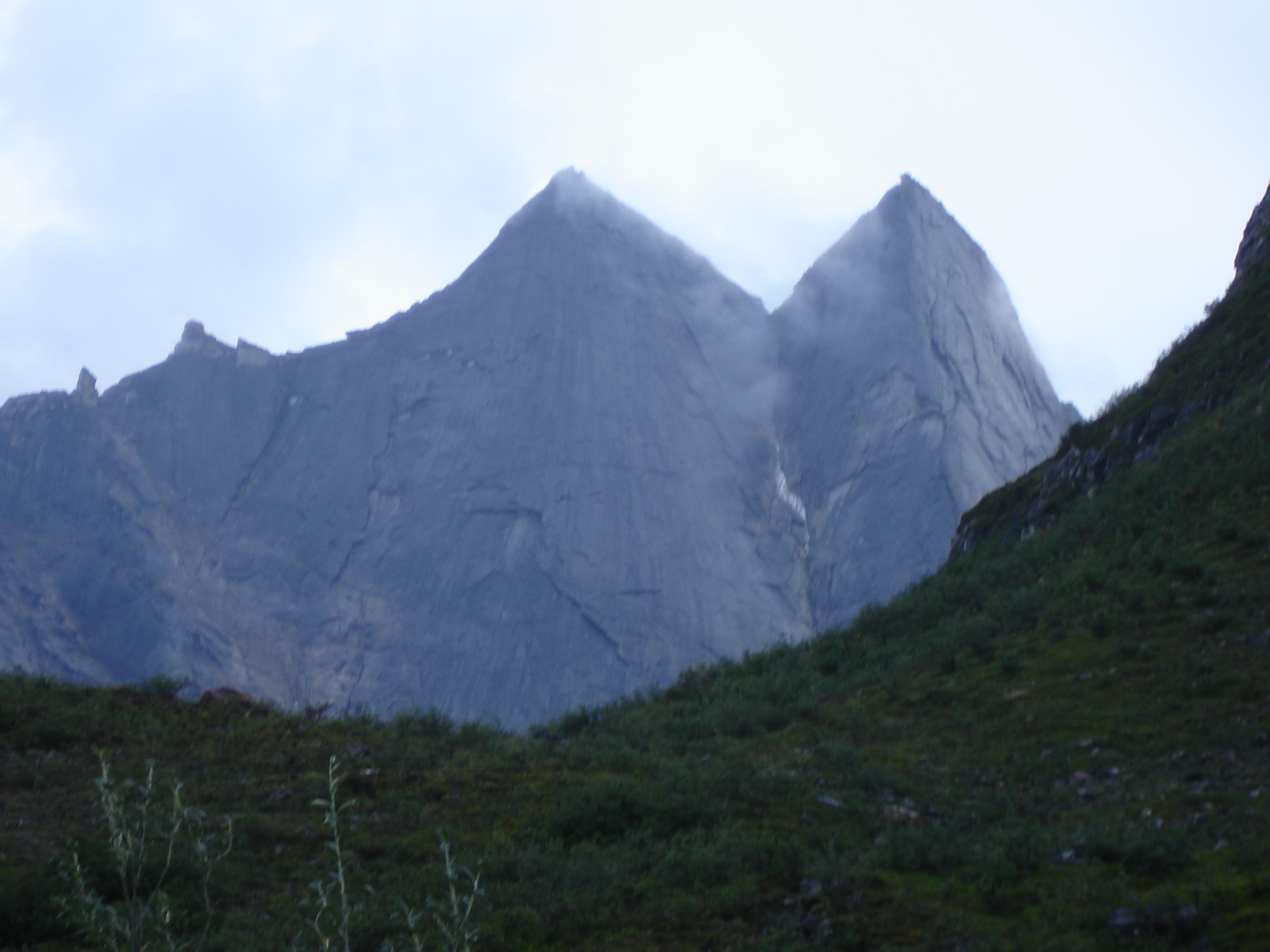
The Maidens, part of the Arrigetch Peaks, Gates of the Arctic National Park.

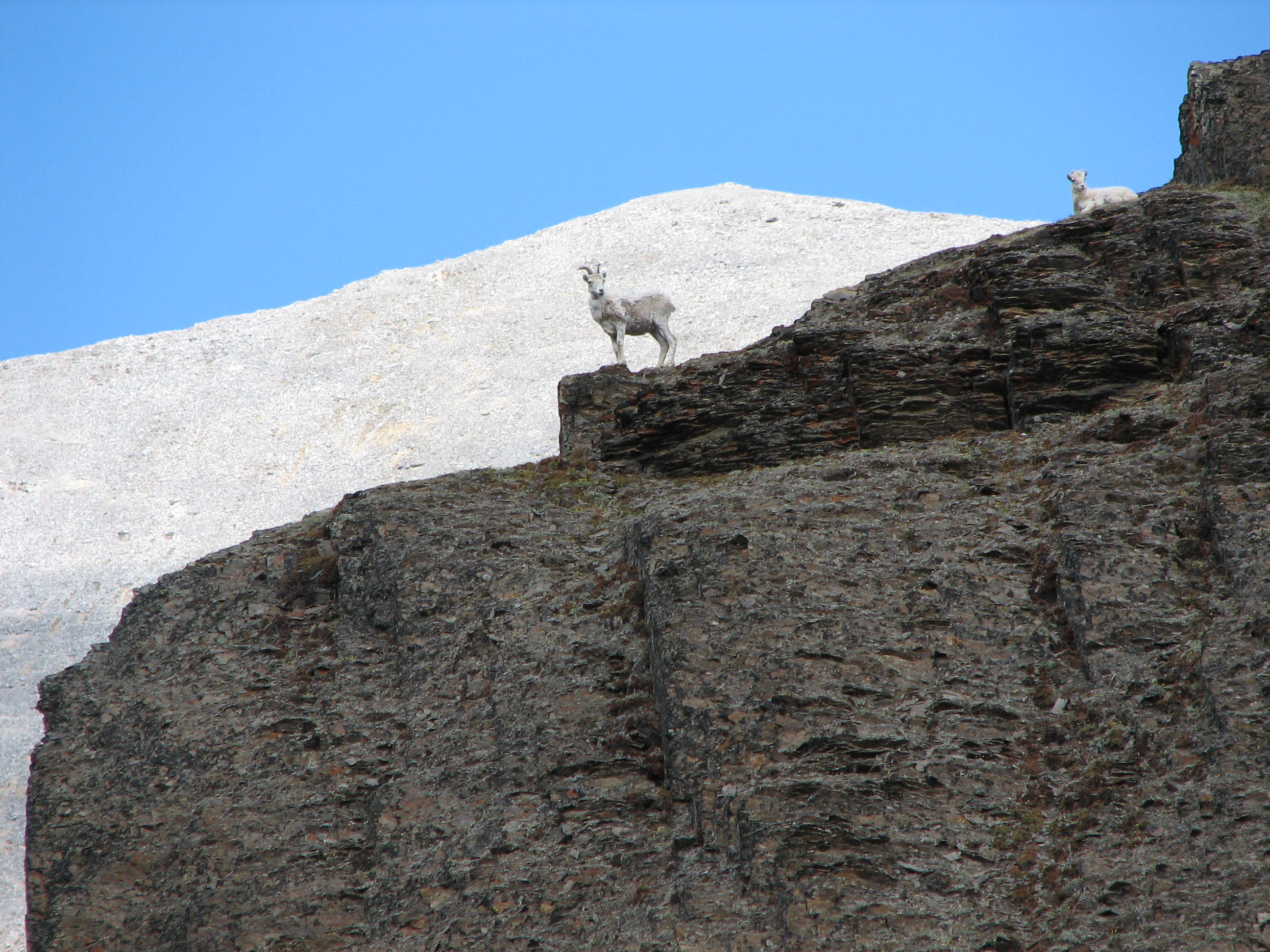
Dall Sheep, ANWR, Upper Aichilik River drainage.

WILDLAND FIRE IS INHERENTLY DANGEROUS; NO MORE PURPLE RIBBONS

July 6, 2013

Ten Standard Fire Orders 

  1. Fight fire aggressively, but provide for safety first.
  2. Initiate all actions based on current and expected fire behavior.
  3. Recognize current weather conditions and obtain forecasts.
  4. Ensure instructions are given and understood.
  5. Obtain current information on fire status.
  6. Remain in communication with crew members, your supervisor, and adjoining forces.
  7. Determine safety zones and escape routes.
  8. Establish lookouts in potentially hazardous situations.
  9. Retain control at all times.
  10. Stay alert, keep calm, think clearly, act decisively. 

Eighteen watch-out situations 

  1. Fire not scouted and sized up.
  2. In country not seen in daylight.
  3. Safety zones and escape routes not identified.
  4. Unfamiliar with weather and local factors influencing fire behavior.
  5. Uninformed on strategy, tactics, and hazards.
  6. Instructions and assignments not clear.
  7. No communications link with crewmembers/supervisors.
  8. Constructing line without safe anchor point.
  9. Building fireline downhill with fire below.
  10. Attempting frontal assault on fire.
  11. Unburned fuel between you and the fire.
  12. Cannot see main fire, not in contact with anyone who can.
  13. On a hillside where rolling material can ignite fuel below.
  14. Weather is getting hotter and drier.
  15. Wind increases or is changing direction.
  16. Getting frequent spot fires across the line.
  17. Terrain and fuels make escape to safety zone difficult.
  18. Taking a nap near the fireline.

I’m going to be a Monday morning quarterback, but on the other hand, accidents and their investigation interest me, for we must learn from them. Commercial aviation has done so to a remarkable extent; medicine has not.

1949: Mann Gulch fire.  Thirteen died when the fire blew up due to strong winds.  From the time trouble was recognized until the men were dead was 11 minutes.  Those who died did so running uphill.  They died from asphyxiation or burns.  The fire was not affecting houses or civilian lives.  We had a culture from the 1910 fire, where 87 died, that all fires were to be put out before 10 a.m. the next day.  Ironically, this has created many problems we face today.

1994: South Canyon fire, near Glenwood Springs, Colorado.  In early July, a lightning strike started it.  Because some residents complained about smoke, a decision was made to fight the fire, which was not endangering any structures or lives, and was 5 acres when a decision was made to attack it, despite its being one of the lowest priority fires in Colorado at the time, where there were at least 35 fires burning, and resources were stretched.  When the fire was initially scouted, the difficulty and the risk were noted, and recommendations were made not to fight it in that particular area.  Catastrophes occur when there are major errors, but they also occur when there is a concatenation of smaller errors.  This fire was an example of the latter.  It was attacked because a person complained of the smoke–an inadequate reason.  Had the fire grown, it might well have been clearly inaccessible to attack in the place where the people who attacked it subsequently died.  It might have been fought differently.  I do wonder whether those who complained about the smoke ever wondered whether they were culpable.

Fourteen people died, including most of the Prineville, Oregon hotshot crew, when they descended a hill, in this worrisome area, in thick growth to build fire lines. Several members thought this maneuver was dangerous, because they had unburned fuel, extremely volatile fuel,  between them and a fire they couldn’t see (Watch out #9). Nobody spoke up, except some smokejumpers elsewhere on the fire, who did not think what they were asked to do was a good idea.  Eight of the ten major rules for fire fighters, 12 of 18 Watch Out guidelines were eventually compromised or violated.

A dry cold front came through that afternoon, predicted, but the information wasn’t relayed to the firefighters.  At 1520 hours, concerns were raised, and some left the area.  At 1600 hours, all left, but sawyers were still carrying their saws, and many were walking.  Twenty minutes later, they were dead, shelters not deployed.  Not only can fire move faster than we can run (this one moved 14 mph), superheated gases and radiant heat can kill people at a great distance, and winds can knock them over.  On Mann Gulch, winds lifted a survivor up and down three times.  The idea that fire suddenly erupts and people die with no warning is not true.  Fire does suddenly erupt, but usually there are hints.  There were such hints at South Canyon.  There were draws, and there was wind, an ideal situation for fire spread, and one that had been previously noted.  Many firefighters didn’t appreciate the severity of the situation until it was too late, for the safety zones were too far away and uphill.

The recommendations after South Canyon were hoped to make fire fighting safer.  They didn’t.

Thirty Mile Fire, Washington State, 2001.  Four fire fighters died after deploying their shelters in a rock field when a small fire earlier in the day suddenly exploded, overwhelming the crew. The problem was many small errors–virtually no sleep the night before (impairs judgment equivalent to being legally drunk), going suddenly to a fire that they hadn’t planned on, faulty equipment, slow start, and pulling in the lookout.  At the lunch spot, not a safety zone, two spot fires were noted up a dead end road (which had not been previously appreciated when the group arrived at the fire), and tankers were sent to the spots.  At this point, the hauntingly sad video given by survivors stops, and the listener is told to put himself in the position of the fireboss, rather than knowing what happened later.  The fireboss sent more help to the spot fires, had no lookout to look at what the main fire was doing, and ultimately, the whole group was cut off from escaping from the lunch site the other way.  Instead, they went up the dead end road (which also had civilians present) to what appeared to be a safe area, with a stream to the east, a rock slide with no growth (but fuel between the rocks), and the road.

Thirty minutes before the fire overwhelmed the crew, many were taking pictures of themselves, not looking for safe spots or beginning shelter deployment, not knowing this would be the last picture of them alive.

Shelter deployment means that people were in an area they should not have been in.  They were too far from the safety zone.  That happens.  Shelters are a last ditch effort to save oneself.  Had everybody deployed on the road, they would have all survived.  But some deployed on the rocks.  They died of asphyxiation.  Many at the time were not adequately trained to deal with shelters, which one must be able to get in either standing or lying.  Several wore fusees and backpacks into the shelter; fusees burn at 375 degrees and can ignite if in contact with the shelter itself.  Some lost gloves, which were in retrospect available and nearby, and others left backpacks too close to the shelter, where they burned, adding fire near the shelter.  I don’t know what I would do if I were in that situation.  I haven’t been trained; all of these people were.  Many deploying shelters do so when there is a great deal of wind from the fire, sometimes ripping the shelter from a person’s hand. When I saw this haunting video, I said to myself, “When the tanker on the downwind spot fire radioed that they needed additional help, that is when I would have pulled out.  Everything is going wrong on this day, and we need to regroup.”

We get back to the basic part of fire fighting.  It is dangerous, and everybody who fights fire knows that.  My experience is nearly nil, only having driven a water tanker on a controlled burn in 1995.  The culture had been not to question orders, and there is a degree of pride in being able to handle adversity.  Nobody likes to lose a fire, nobody wants to say that they couldn’t attack it.  Nobody wants to see houses destroyed.

What I don’t remember about 1994, although I could be wrong, was that we didn’t refer to the fallen firefighters as heroes.  They were professionals, and they were sadly victims. The fire should have been allowed to burn, nobody should have been deployed in any area that was unsafe, regardless of the risk to property and especially not because somebody complained about the smoke.  And that brings me to 19 years later, a lot closer to home.

2013:  Arizona.  Nineteen firefighters die fighting the Yarnell Hill fire.  We don’t know many details yet.  A lookout was posted, and he radioed that the winds had shifted and he was leaving.  We’ve heard he did all the right things, but I know nothing yet of whether his messages were received, or what else was said or not said.  Shelters were deployed, unlike Storm King, so there was more time for the firefighters to realize they were in trouble.  There wasn’t much time, but the early reports saying “nothing could have been done, the fire was on them in seconds” may not be accurate.  I don’t yet know.  More than one report is comparing the Yarnell Hill fire with the South Canyon fire.  Both were initially small, both were in difficult terrain with extreme drought, and both were handled by hotshots.  Both had a major, predictable wind event, both had unburned fuel between the firefighters and the main fire, and both led to disasters.

I suspect by the end of August, most of the investigation will be completed.  Lack of a meteorologist will be one issue, I suspect, or at least under appreciation of what the winds would be.  Working in dense fuels with fire nearby, not seen, will likely be another.  An adequate escape route will be another.  Beyond that, I would not speculate further except to unequivocally state, this was NOT an Act of God.  That statement to me is a copout, an excuse for not trying to understand circumstances that people should understand, and a way to sweep the matter under a rug.  Unfortunately, the mistakes made will be publicized, likely inflaming many communities as much as the fire did.  But mistakes were made.  Thunderstorm downdrafts, erratic winds, Venturi effects, plentiful dry fuel, and a burning fire are all understandable.  Whether we can predict what they will do is another matter, and evidence is beginning to mount that our modeling of fire behavior is inadequate due to increased size of fires because of suppression, climate change allowing bark beetles to survive winters, and more houses in the wildland-urban interface.  Ability to recognize danger and to speak up is part of firefighter training.  If we cannot adequately predict the worst case scenario, and plan for it, then we have no business sending people into harm’s way, except to save lives, not property.  Worst case scenario planning is why firefighters are required to have safety zones and exits to them, both hopefully plural.

Just as Challenger repeated 17 years later with Columbia, almost to the day, with many of the same cultural problems still persisting in NASA, so did South Canyon repeat 19 years later with Yarnell Hill, almost to the day.  I suspect, like NASA, there are still cultural problems in the firefighting community.  Hopefully, the investigation will uncover these issues, and the wildland firefighting community will address exactly how we will approach fires, what we will do, and what simply will not be tolerated.  Whether one wishes to call the men heroes dying doing what they loved is a matter of choice.  I call the men tragic victims who died, not one of whom expected to that day in Yavapai County.  I don’t call dying doing what I loved great.  If I love doing something, dying is not the outcome I want. But that is a my opinion.  We didn’t learn from Mann Gulch in 1949; 45 and 52  years later we had South Canyon and 30 Mile fires respectively.  We didn’t learn enough from them, and 12 years after 30 Mile we had Yarnell Hill.

To the Watch Out situations, I would add:

19. Size of fire does not matter.  Small fires can kill you.

20. Always be aware that you may have only 10 minutes to live, should things turn sour. Act accordingly.

My prediction:  another catastrophe will recur.  My hope:  It won’t.

LOOKER-UPPERS

April 1, 2013

Several years ago, out in the Sonoita Grasslands, southeast of Tucson, I saw a thunderstorm develop over in Rain Valley.  Several of the thunderheads were producing a lot of rain, but the southernmost one wasn’t.  Instead, it kept discharging cloud-cloud lightning, as if it had a choice to either rain or light up periodically, and chose the latter.  In any case, it looked like a giant lightbulb.  I thought that interesting, so I stayed out to watch it.  I often just sit somewhere and look up.  It isn’t wasted time.

I am a looker-upper.

As I continued to gaze, I noted Jupiter high to the right of “Lightbulb,” shining with a steady light, as planets do.  I knew the object was Jupiter, because of its brightness and location.  Now I had a gas giant in view, with its own clouds and storms, as I observed from a rocky planet with its own storms, all right before my eyes.

And “Lightbulb” kept discharging.

I was fascinated with the show, but I knew that storms don’t last too long in the high desert, and I began to think of going inside, grateful, as I always am, for any show that nature provides.  For some reason, however, I stayed out a little longer.  I’ve long known that a an extra minute spent just looking may occasionally be worthwhile.  Besides, I was absolutely fascinated with “Lightbulb”.

Suddenly, a meteor shot through the sky between Jupiter and “Lightbulb.”  There aren’t many times my jaw drops suddenly, but it sure did here.  I had a simultaneous show in three levels of the sky:  the troposphere, high above the stratosphere, and in outer space.  I said another thank you to the heavens, watched for a while longer, and then finally went inside.

There is one other place I have seen three parts of the sky come into splendid conjunction.  If one travels to the Platte River in March, near the Great Southern Bend of the river, one may see the Sandhill Crane migration.  I really should use three different verbs here: to see, to experience, and to transform.  Many people see the migration, some experience it, and a few–like me–are transformed by it.  Transformation of a person by a sight means that the person is never again quite the same.  Not many sights transform me: a total solar eclipse did, and so did a sighting of a wolf in the wild 12 feet away, with nobody within 10 trail miles.  That’s heady stuff, being transformed.

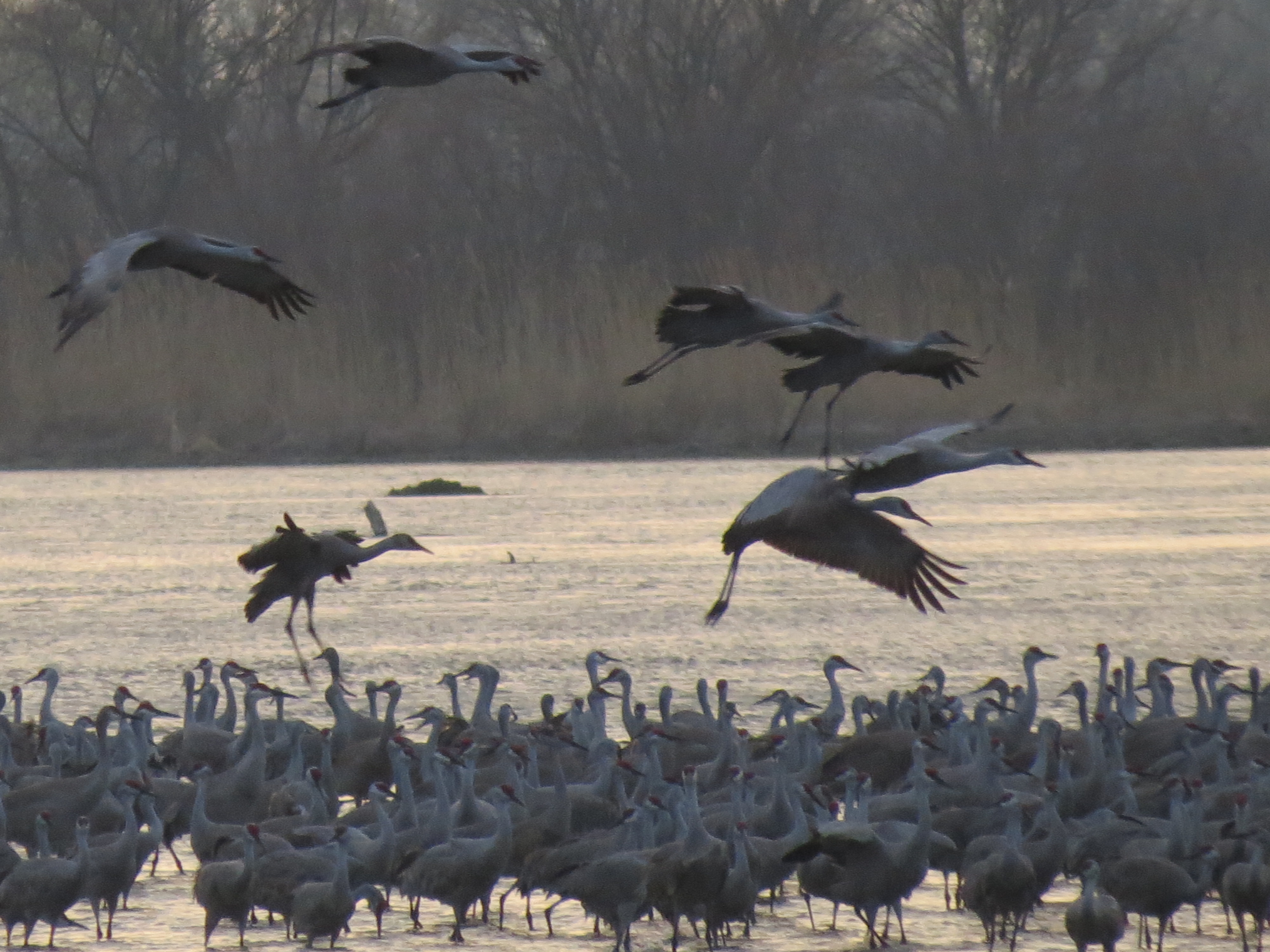
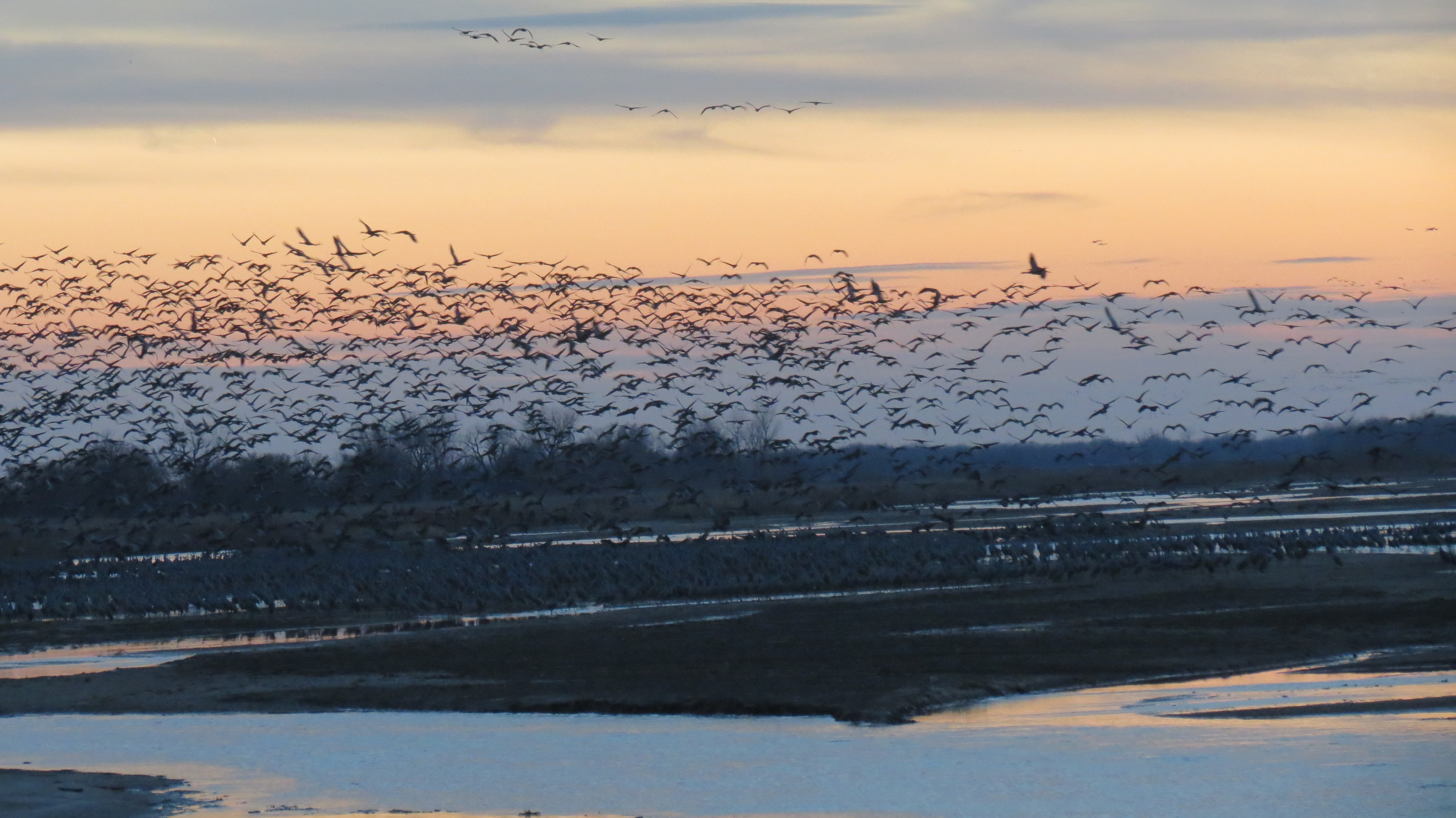
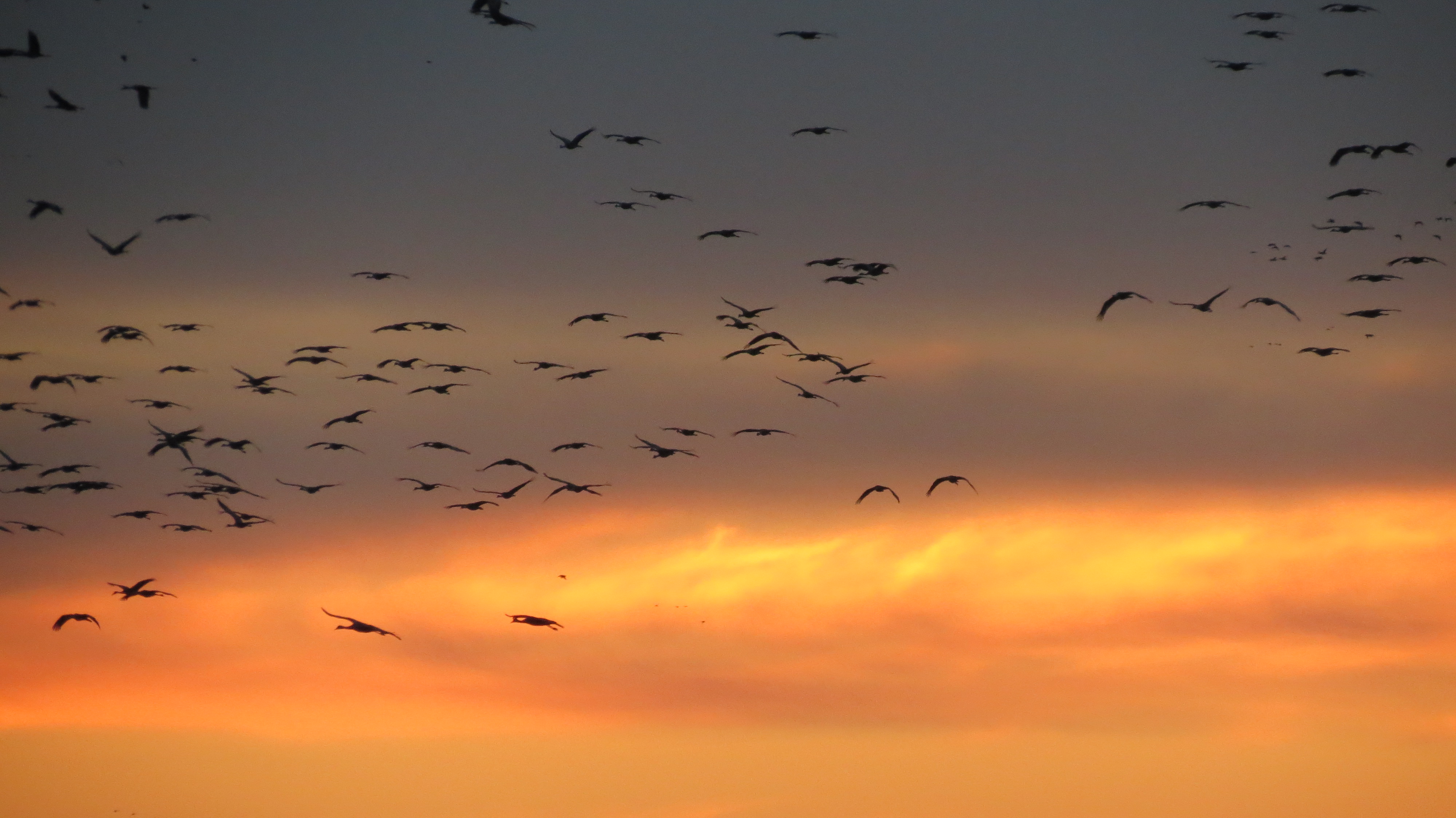
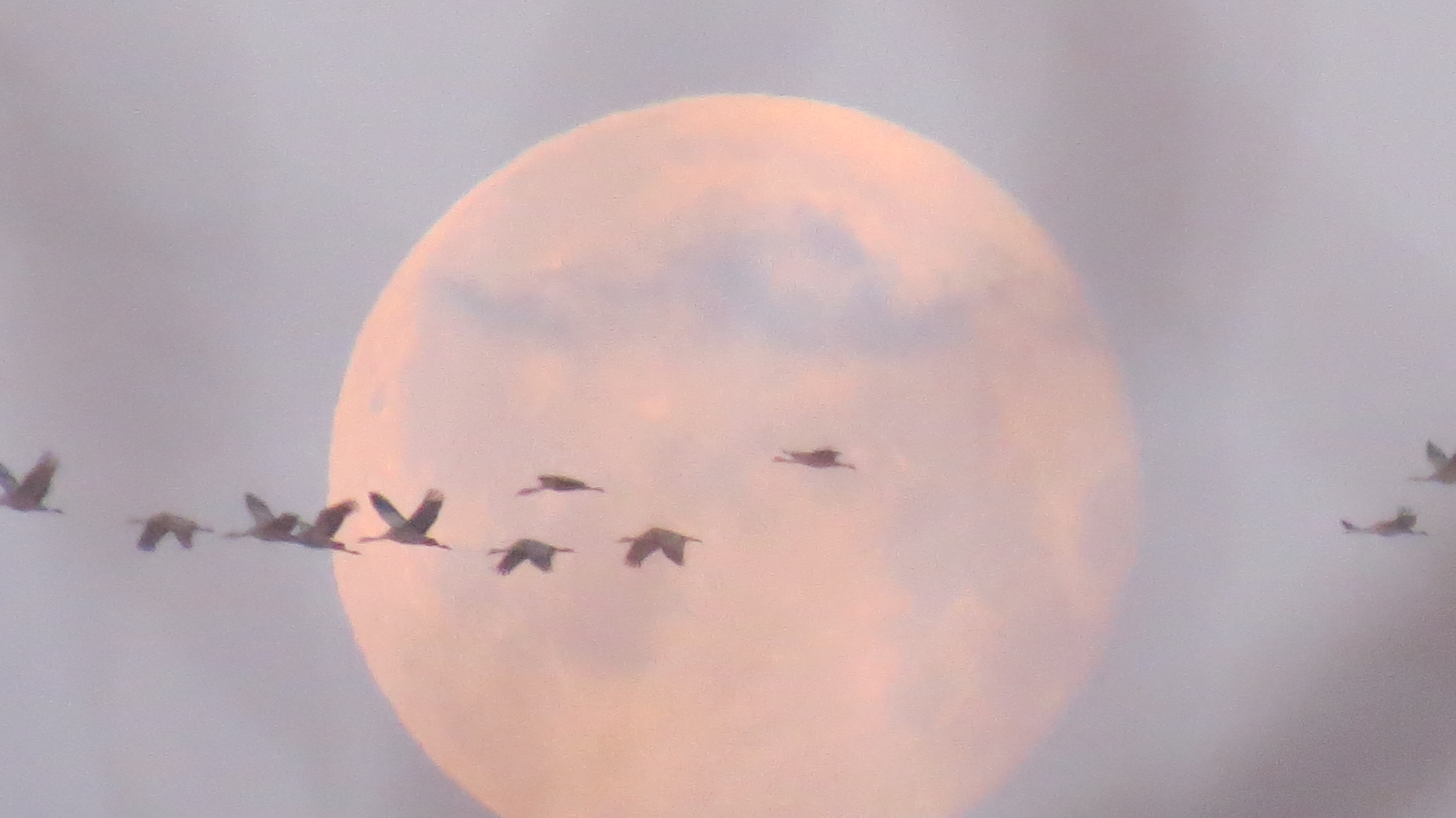
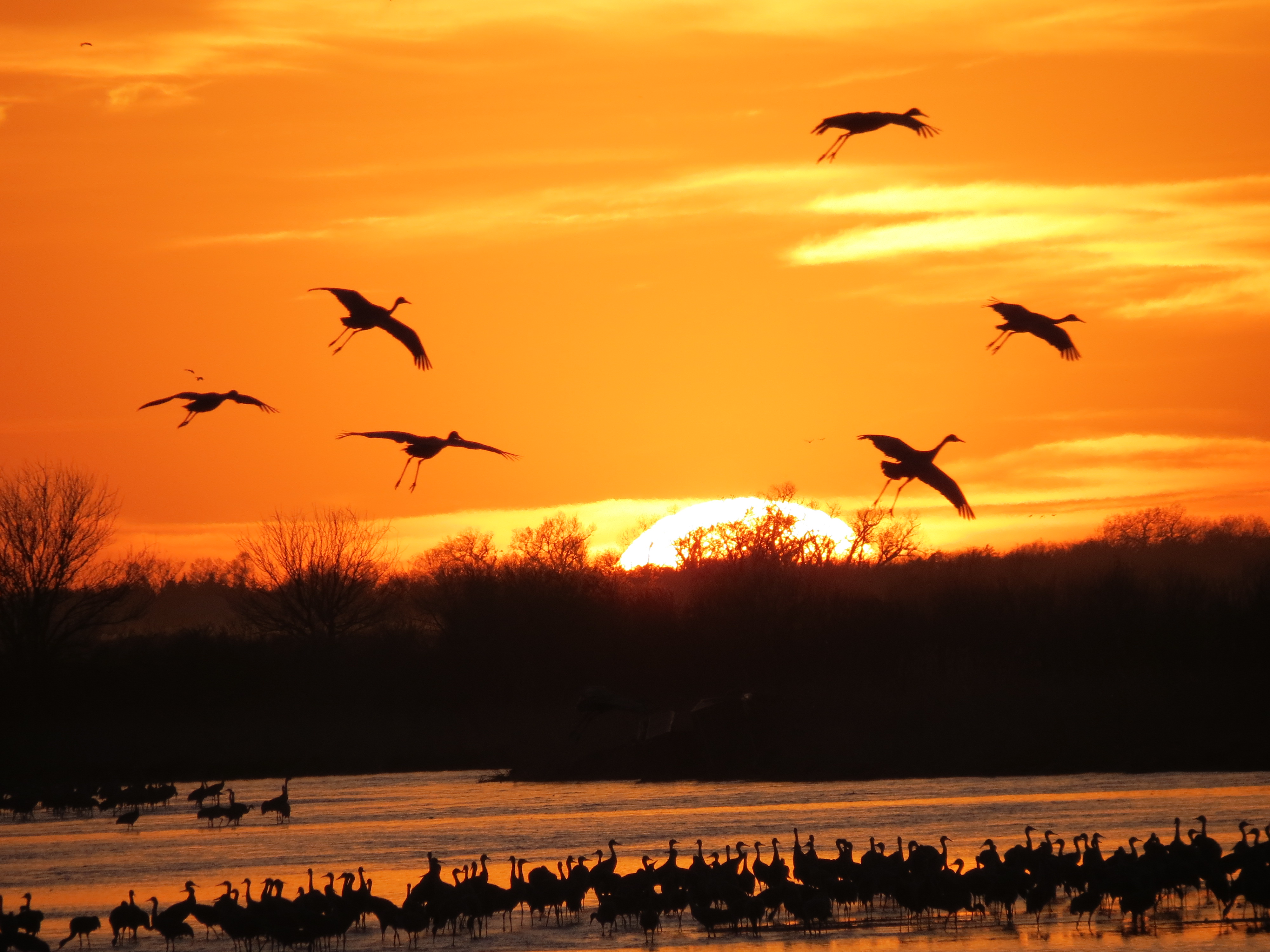
To see these spectacular birds, with their haunting call, darken the sky during a splendid Nebraska sunset and a full Moon rising in the eastern sky may transform a person.  I volunteer in Nebraska every spring, paying my way up there and working at Rowe Sanctuary, so I can go to the viewing blinds morning and evening.  It’s really selfish, but I do some work, too.  I work with other volunteers and Rowe Staff, all of whom are looker-uppers.

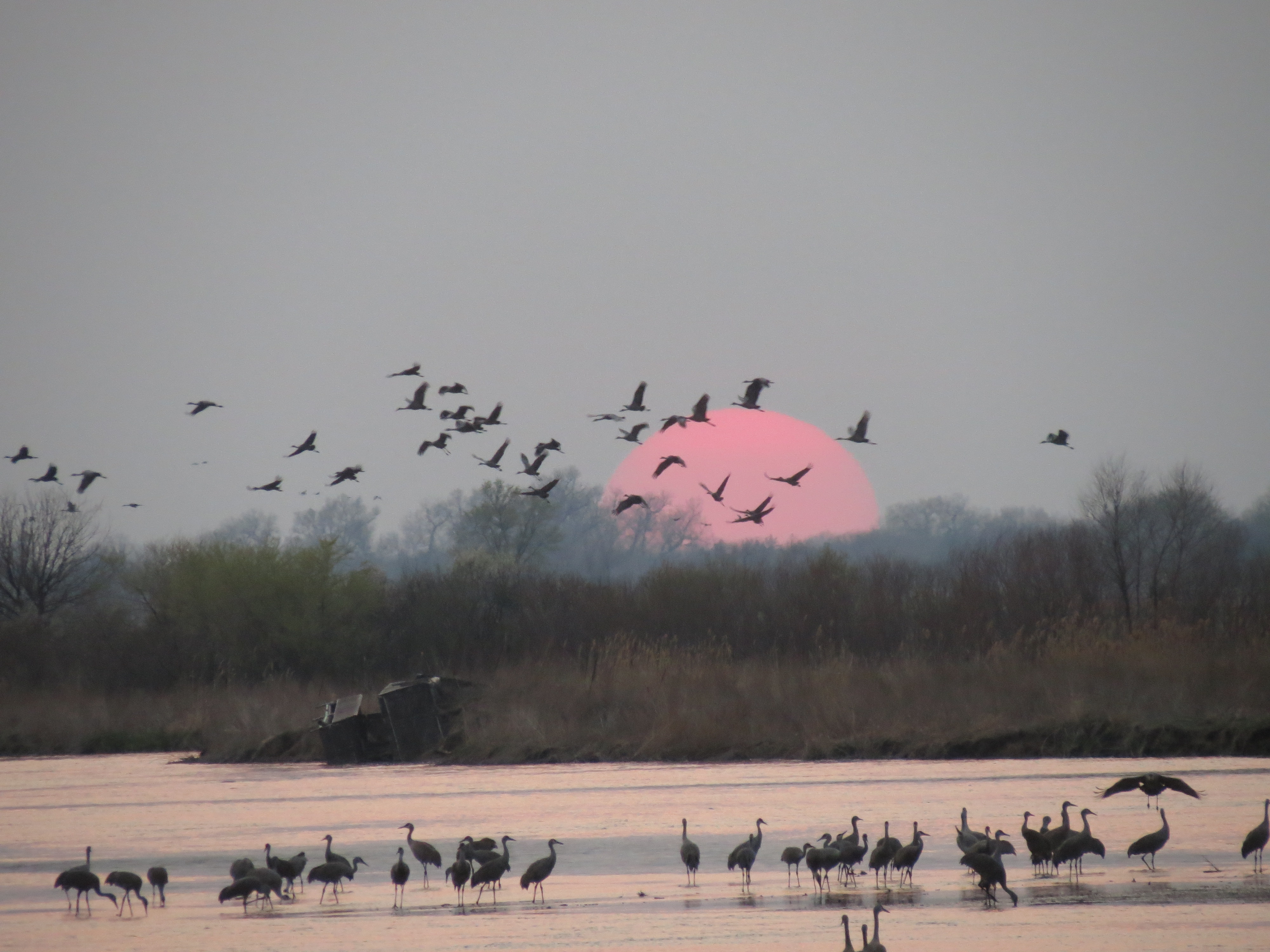
SUNSET CRANES

SUNSET CRANES

Sure, this conjunction may be explained by biology, astronomy and physics, but I doubt  many observers in Stevie’s Blind at Rowe Sanctuary on a March evening feel that way when twenty-five thousand cranes in the sky land right in front of them.  I doubt Stevie Staples, for whom the blind was named, looked at the cranes that way, either, and she was a teacher.

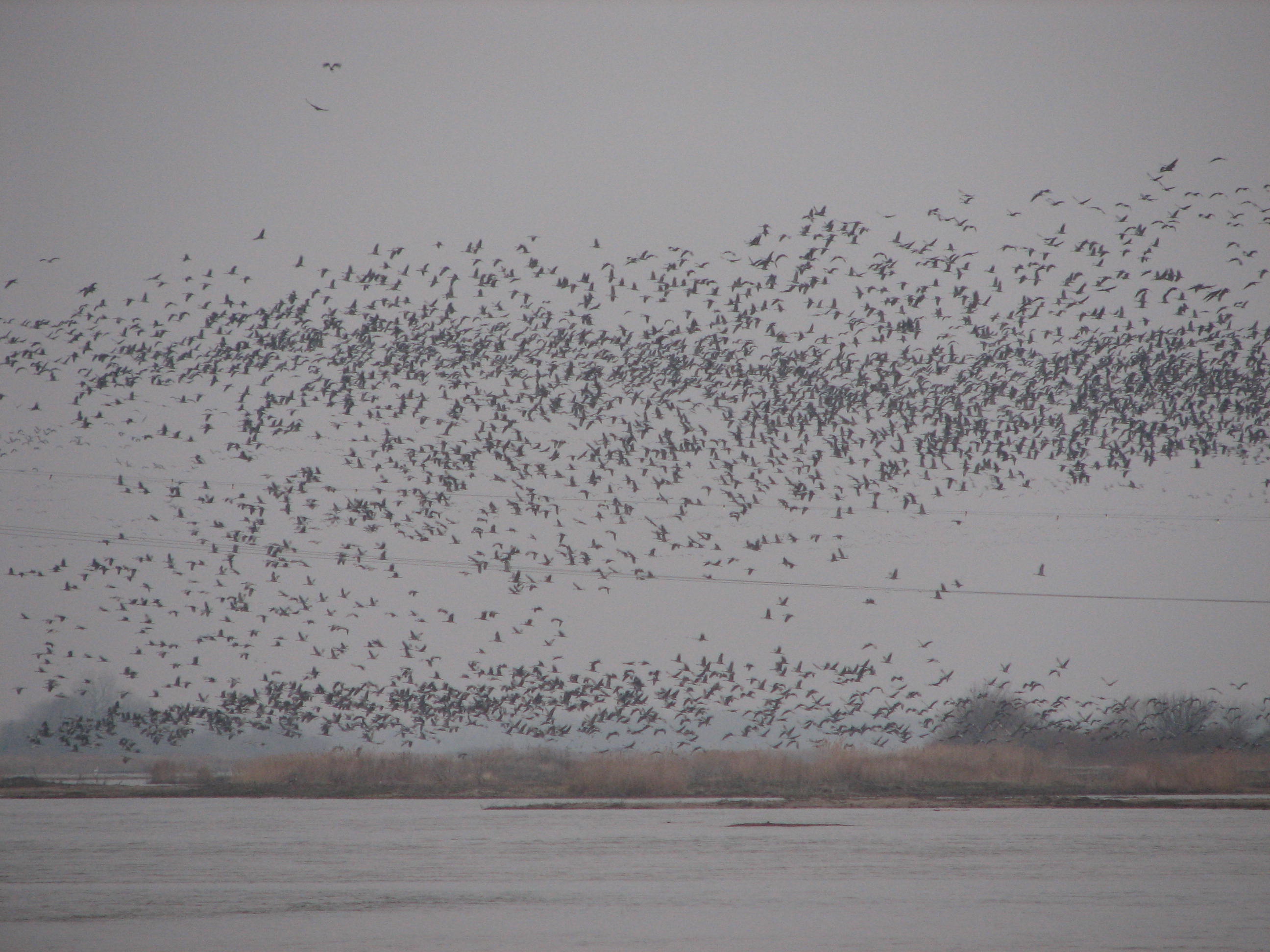
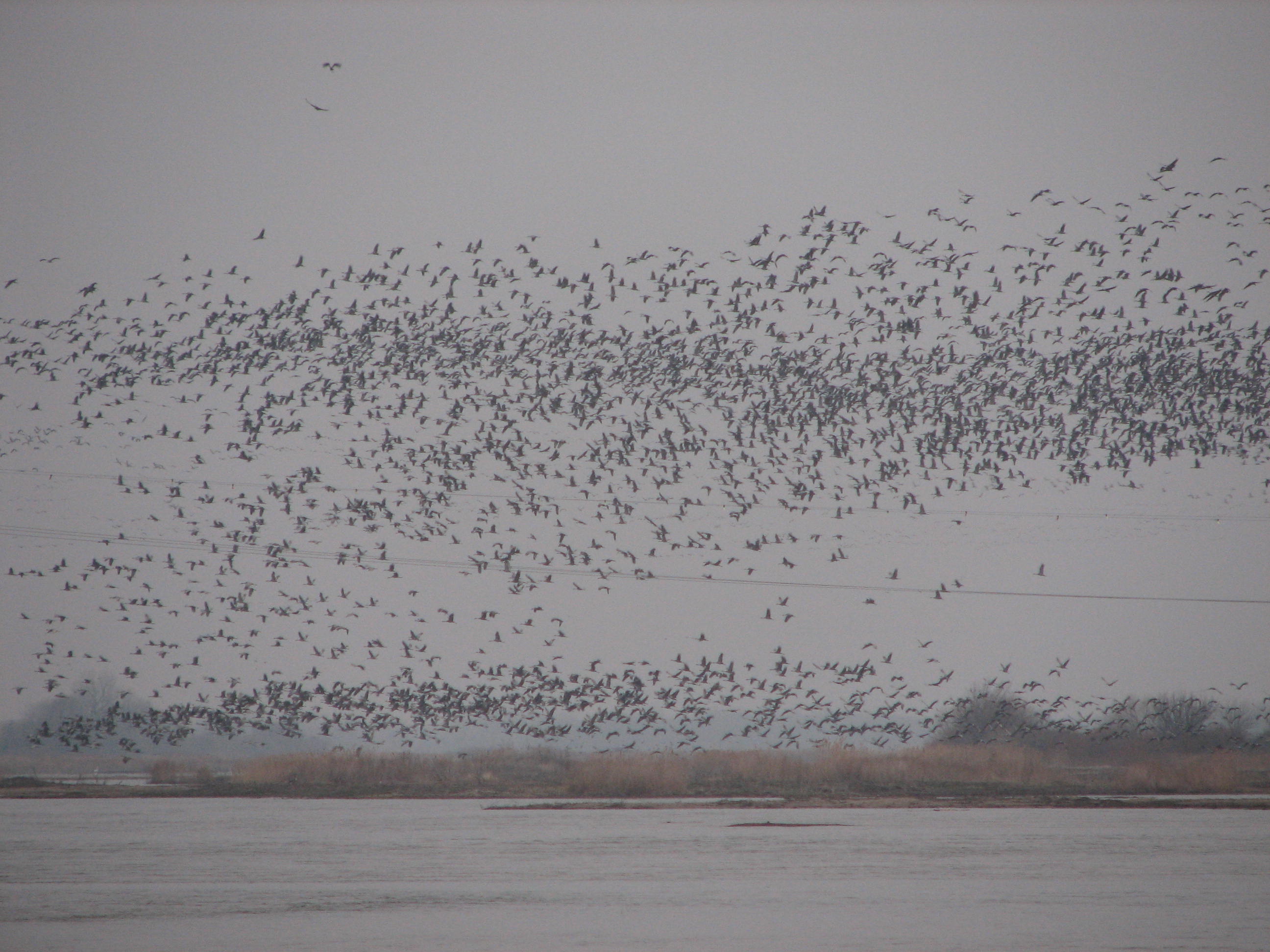
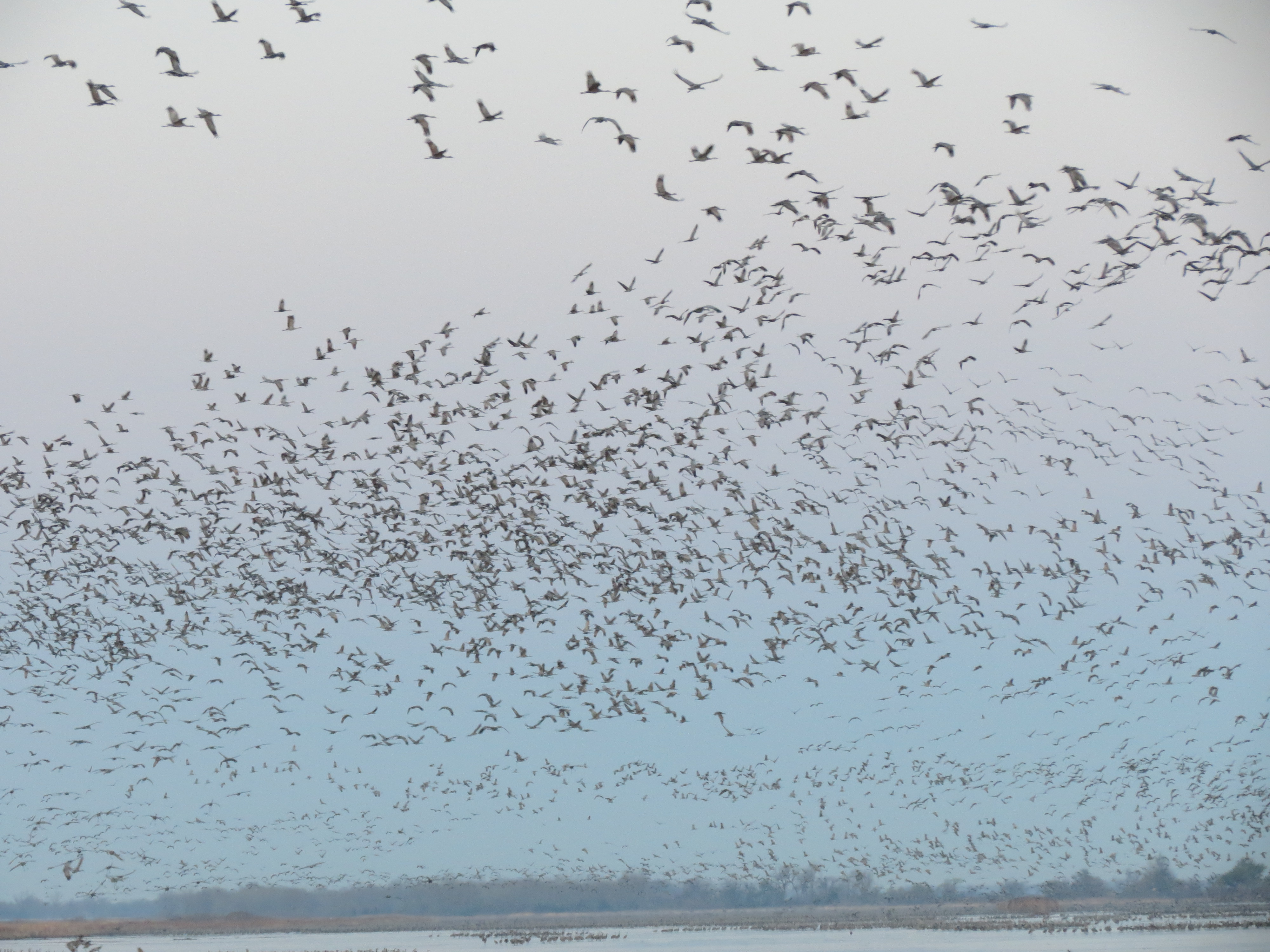
PART OF A FLOCK OF 20,000

Once one becomes a looker-upper, the person may become a bit of an astronomer, meteorologist, and birder, too.  Oh, I don’t mean the person can spot Andromeda Galaxy without optical aid, knows the difference between a Pied-billed and a Western Grebe, or can tell whether the sky is convectively active, but the person is learning.  I find myself looking up at the day sky, noticing where the deepest blue occurs.  There is a mathematical point in the sky where the sky is bluest, depending upon where the Sun is, but I don’t bother with the math.  I’m more interested in finding the deepest blue, and my 1x eyes are perfect for the task.

From blue sky, I started noticing clouds and weather, too.  Soon, I became as interested in the weather as I was in the night sky.  It’s easy to do, and as a guy who goes into the woods a lot, it helps to know how to predict the weather.  Oh, of course, I wasn’t a professional meteorologist, but I knew enough to keep myself more comfortable than I otherwise would have been.

I continued to look up and became a birder.  I won’t say I am a great birder, but I’ve seen many species, many of which I actually figured out on my own.  It’s often good to bird alone.  It makes a person a better observer, requiring spotting the subtleties that allow identification.  Other times, it is good to go with an experienced birder who can spot a particular bird and explain why and what it is. Birding is fun, but it is not a passion.

Looker-uppers aren’t necessarily experts; they just know where beauty lies.  And a lot of beauty lies above us, free for those who look.

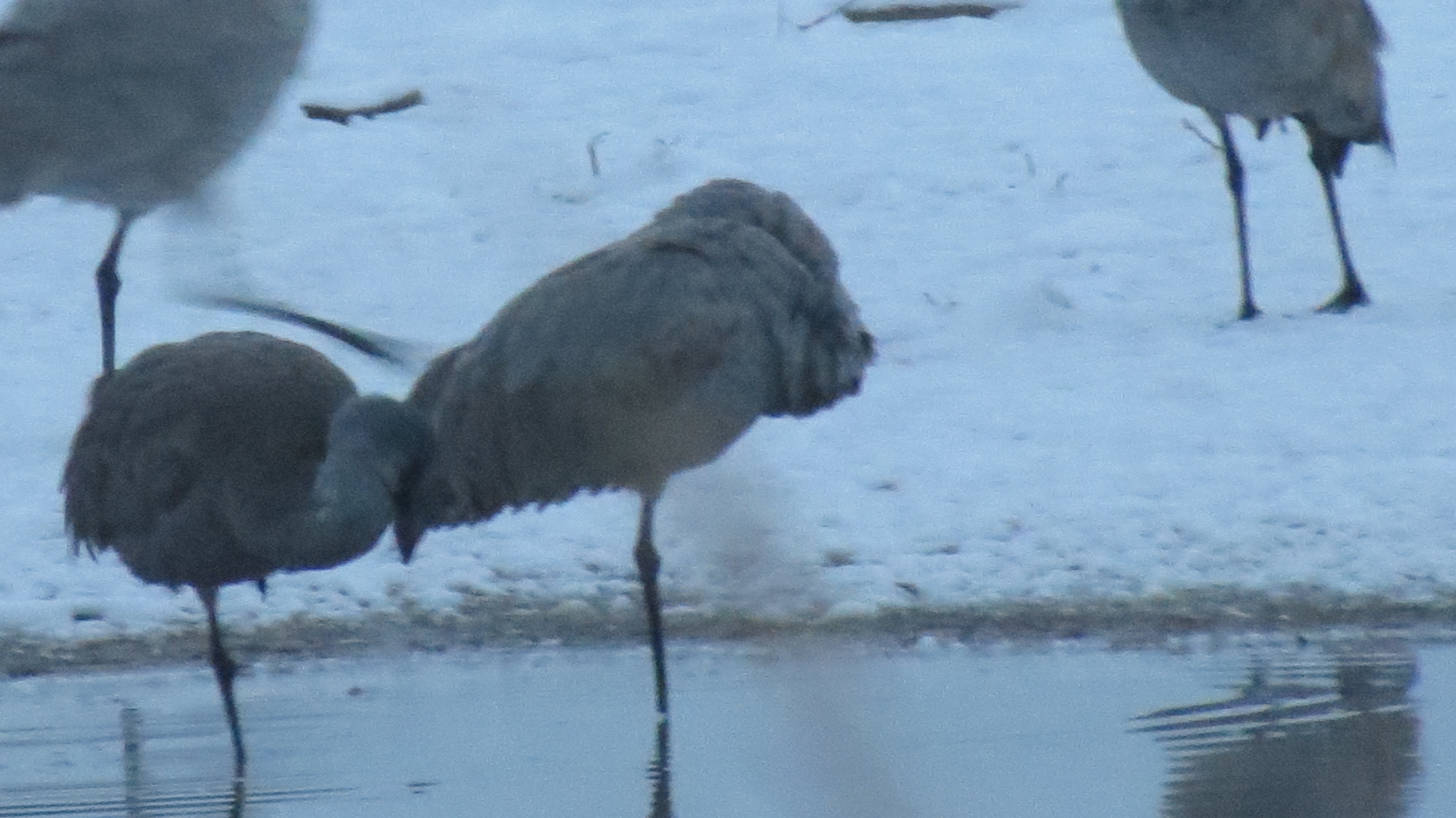
SLEEPING PAIR OF CRANES

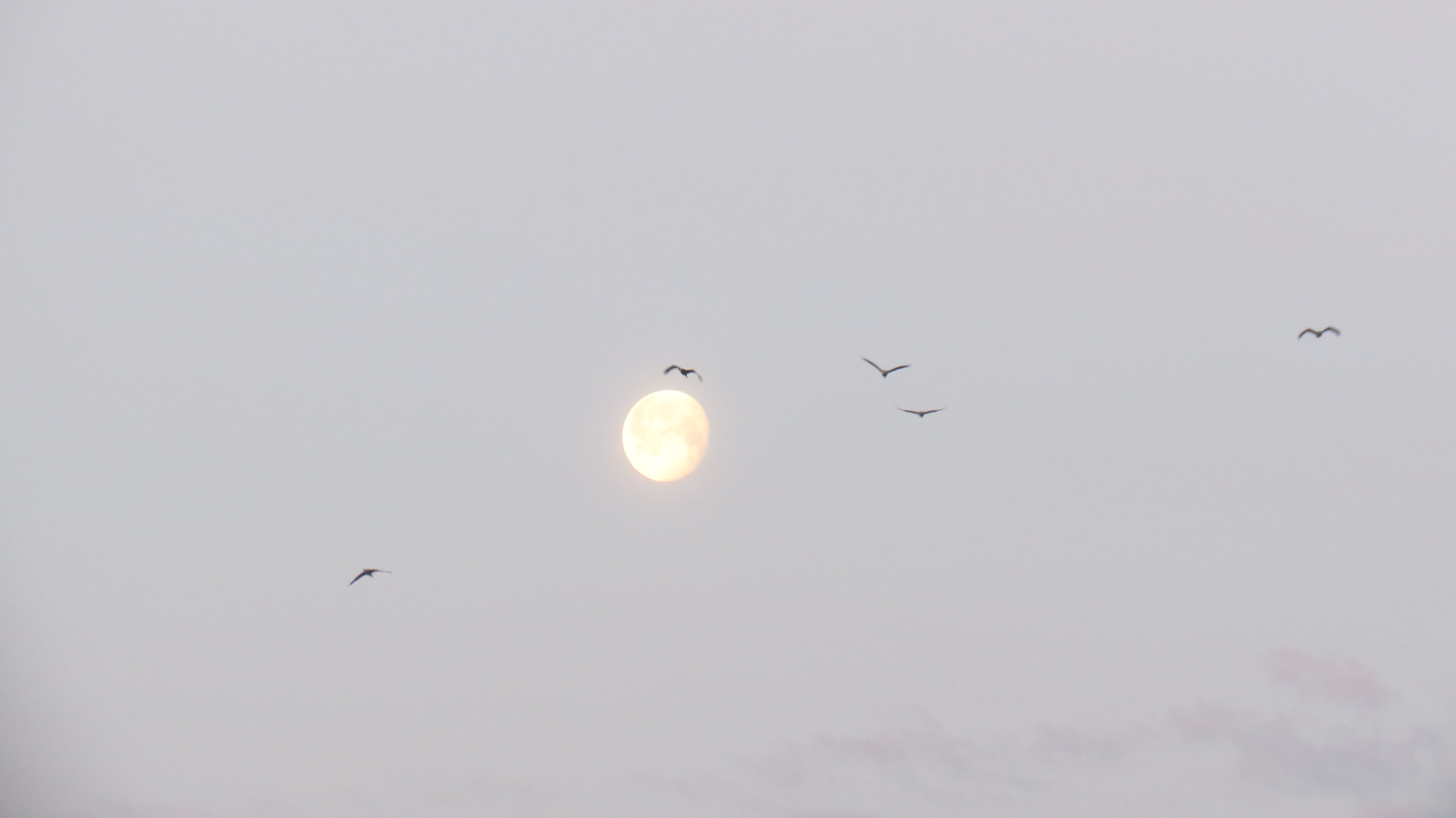
CRANE MOON

As I became a birder looker-upper after first being a star looker-upper, some birders come to my star parties after first being a bird looker-upper. They wonder how I know the night sky so well.  I wonder how they know the birds so well.  We all laugh.  We are all learning from each other, fellow looker-uppers, trying to get answers to questions we have about what is out there, what it is, why it is, who and why we are.

What I have learned about my fellow looker-uppers is that each of us finds our own faith in the sky.  Each of us has called the sky “the heavens” at some time.  None of us really knows what lies beyond, but we are all curious.  I don’t think there is a one of us who looks at the Sandhill Crane migration, Orion, Saturn, the rising of the full Moon, a Vermilion Flycatcher or a yellow-headed Blackbird

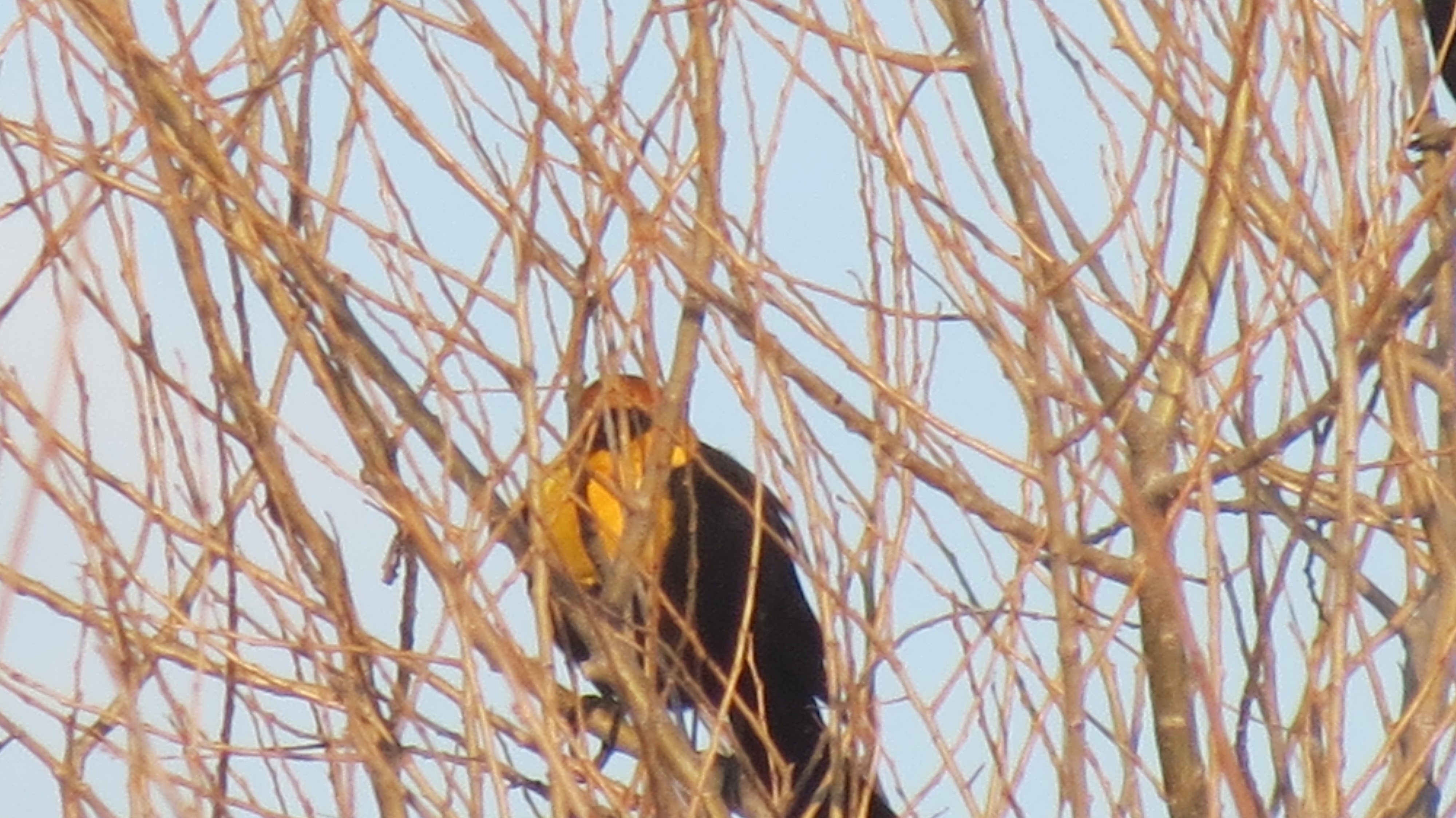
YELLOW-HEADED BLACKBIRD

YELLOW-HEADED BLACKBIRD

, a towering cumulonimbus, or a 2000 year-old Sequoia

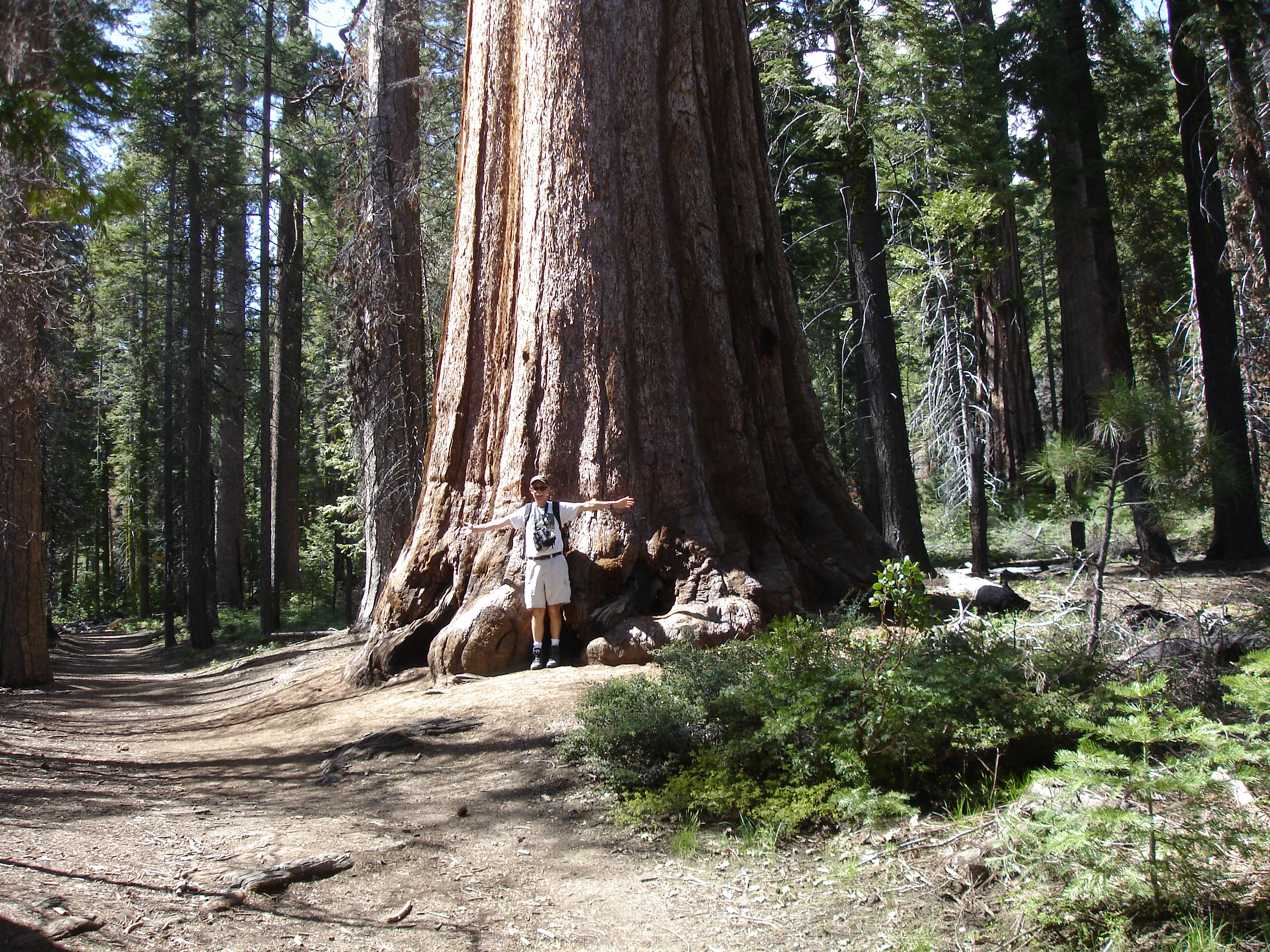
STANDING BY A SEQUOIA, MARIPOSA GROVE, YOSEMITE NP.

STANDING BY A SEQUOIA, MARIPOSA GROVE, YOSEMITE NP.

without being filled with a sense of wonder.  I’m a deeply spiritual person, and a fellow looker-upper helped me discover that fact.

That same person, a wise man, a good friend, a fellow looker-upper, and a devout Christian, recently told me, “There are no atheists in foxholes and no atheists who watch cranes.”

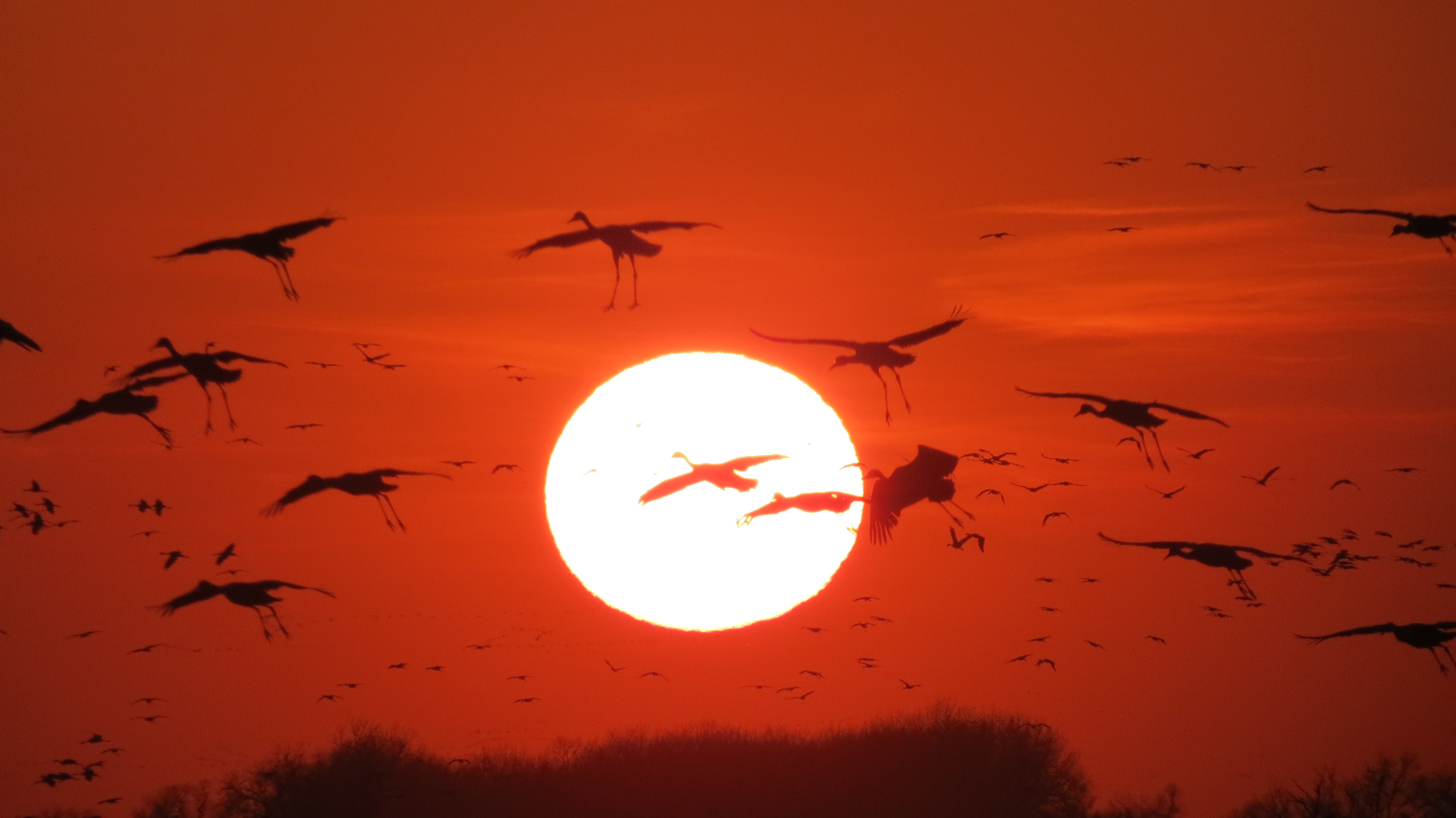
CRANES LANDING AT SUNSET, 2012

CRANES LANDING AT SUNSET, 2012

Judging by how often I hear “Oh my God, they are beautiful,” when I take people to the viewing blinds, I think he is right.


CRANES LANDING AT SUNSET, FROM STEVIE’S BLIND

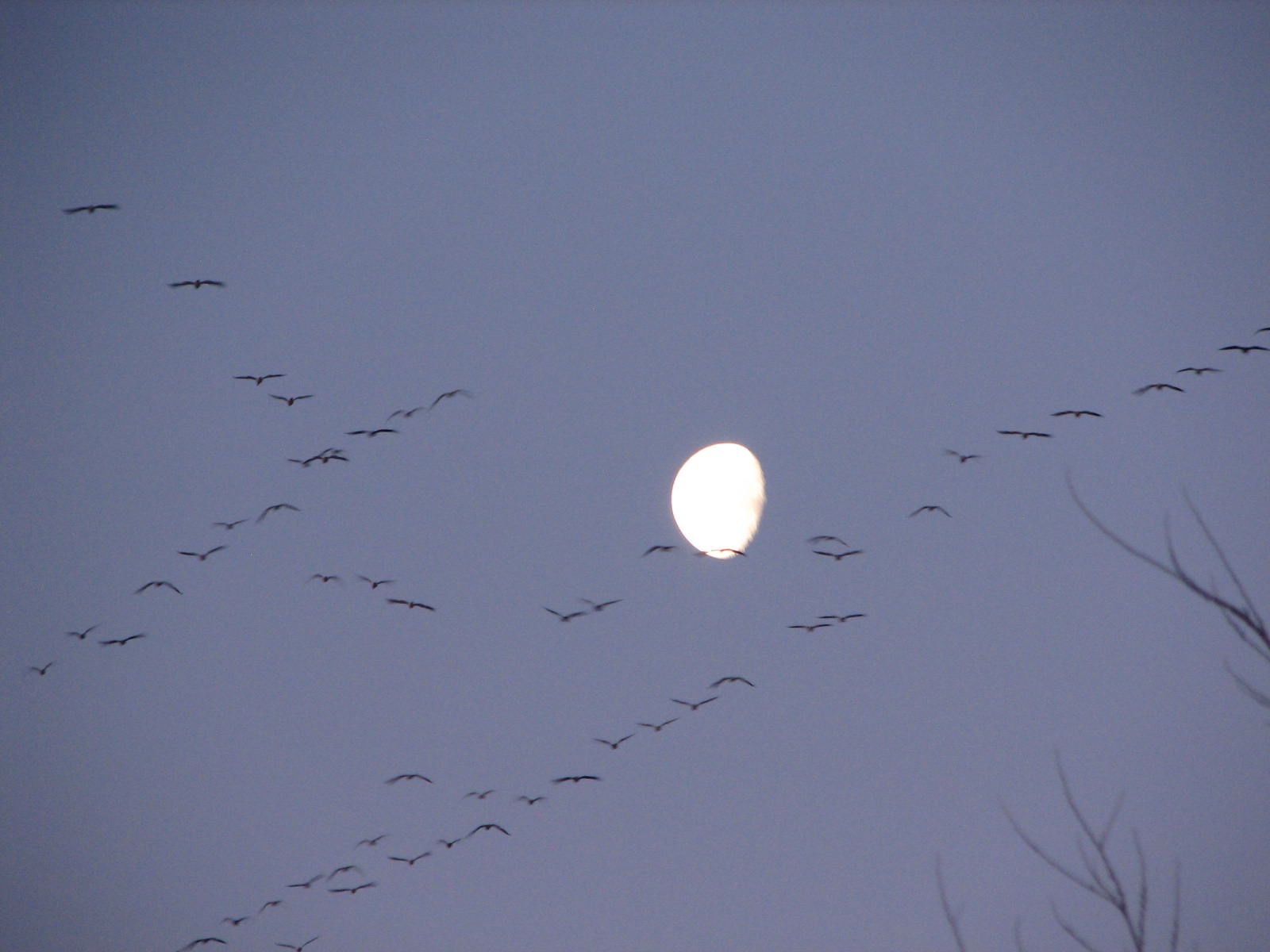
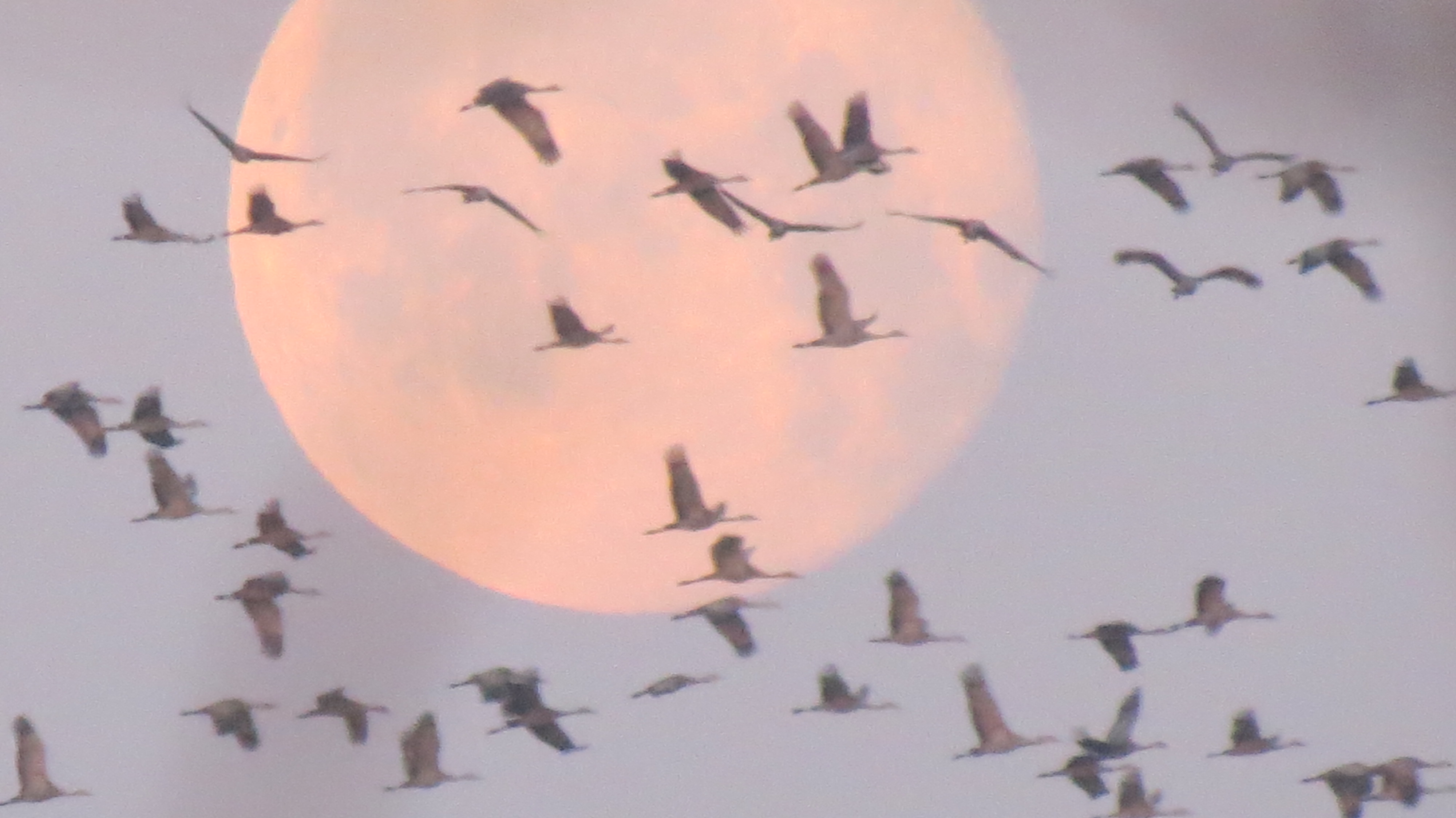
CRANES OVER FULL MOON, ROWE, 2013

CRANES OVER FULL MOON, ROWE, 2013IMG_2918

SAVING THE UGLIEST FISH IN AMERICA: THE PALLID STURGEON

March 31, 2013

The Pallid Sturgeon is a fish that lives in the Missouri and Mississippi Rivers, and which is on the endangered list.  Each year, many endangered species are further endangered by cuts in funding, because a country that went to war on borrowed money, with few who questioned going to war, now has to cut expenses to balance its budget.

A fish seems like a good place to start cutting money.  Or a bird.  Or a mammal, although our willingness to destroy other mammals of our own species hasn’t yet hit the chopping block.  Indeed, if we really want to balance our budget, so-called Defense should be first on the list.  But I digress.

The Pallid Sturgeon has been called the ugliest fish in America by some, so it might seem to be a good way to save money by cutting funding to preserve it.  After all, what use is a fish?  Oh sure, there are some anglers who enjoy catching something that can be 3-6 feet in length, weigh 85 pounds, and even provide caviar.  But a few anglers?  Not worth it.  Most of them who fish for the Pallid Sturgeon live in Red States, anyway, so politically this is a non-issue.

And the fish is ugly, at least compared to a Walleye.  But when I look into a mirror, I’m not looking so great some days, too, so I’m not about to pass judgment based on looks.

The Pallid Sturgeon is one of the leftovers from the Acipenseridae family and the Cretaceous period.  In 70 Million years, it has basically not changed, I have been told, making it a true living dinosaur.  It is endangered, because its habitat has been slowly destroyed by dams and pollution, and it spawns very seldom.

The question I ask is this:  “What is the Pallid Sturgeon worth?”

Each year, In Sioux Falls, a man who tries to recover this endangered fish; in other words, a man who thinks this fish has worth, has a visitor arrive from Washington, DC.  The visitor is an individual who comes from the center of government to the hinterlands of the US, where there are a lot of Republicans to be sure, but a lot of practical, commonsense people, too, people who have a multigenerational connection to the land and the life that land supports.  I don’t discuss politics with these folks, but when I discuss the land and wildlife with them there is a look on their face that I suspect is on my face, too.  I suspect the look is not on the face of the guy in the suit, when he arrives in South Dakota.

Each year, the man in charge of the Pallid Sturgeon project explains what he is doing in great detail, being sure to explain the dollars and cents involved in the recovery, so the dollars and cents guy can understand.  Mind you, this is not answering the question I raised above, for the word I chose was “worth,” not “cost”.  There is a difference, although to many, including the guy wearing the suit, the difference escapes him.  That is unfortunate, but he fortunately will learn the difference during his stay in the Dakotas.

At the end of the briefing, the biologist takes the Washington guy back to a large pool, and invites him to put hip waders on over his suit and step into the pool with him.  That to me would be worth seeing.  I would even pay to see that. Notice again how I use the two words.  The suit guy is a little surprised but does what he is asked to–he is used to that, after all–and soon, two of them are in the pool.  The biologist takes a net and scoops out one of the young sturgeon, and asks the man in the suit whether he would like to hold it.  Surprised, the man in the suit agrees, and he is soon holding a young fish in his hands, a fish without a lot of color, for that is what “Pallid” means.  While the fish is young, in terms of evolution, it is old, the same fish taking two opposite predicative adjectives.  It is somewhat ironic to me that while those who sent this man don’t believe in evolution, they would have to say that God created this fish in order to be consistent with their beliefs.  I believe something created this fish–I just call it The Creator–to be consistent with my beliefs.

The look on the face of the man holding the fish is priceless, from what I have been told.  His eyes open wide, as he realizes he is holding something special, something rare, something whose close relatives swam the waters of the Earth when dinosaurs roamed the land.  I’m about ready now to pay for the flight to Sioux Falls to just look at the fish, for the cost would be worth it, to juxtapose these two words.

“Funny thing,” the biologist has said.  “Every year, I get funding.  And the next year, they send a different guy.  And the same thing happens.”  The funding continues, and the fish recovery effort survives–for another year.  We don’t even know if the effort will be successful.  If not, our species has managed to destroy something whose close relatives were here more than three million generations ago, except there haven’t been three million generations of humans.  This fish is a relic.

So, what is the Pallid Sturgeon worth?  To me, the discussion isn’t really about dollars and cents but about dollars and sense.  Common sense.  The sense of beauty.  The sense of being stewards of God’s–The Creator, Mother Earth, or whatever you wish to call it–creation.  The sense that we are part of a vast web of life that we do not understand completely, but upon which we are dependent.  This fish has incredible worth, and a country that allows it to go extinct to save a few bucks really has its priorities wrong.

I think we have a moral duty to try to save the Pallid Sturgeon, unless nature–not man–in its own way decides that it is time for it to disappear.  Just as I believe that some day we will disappear, too.

I wonder how much that would cost.  I know this: it would have worth as far as Nature is concerned.

MR. POTTER

February 24, 2013

In the coming months I will visit two places which I will call Potterville, Nebraska and Potterville, Minnesota.  You won’t find these towns in a road atlas; they are first defined as if they actually exist, which they would today had Mr. Potter had his way, which so far he hasn’t.  For those who aren’t aware of Potterville, see the movie “It’s a Wonderful Life” next holiday season.

Potterville, Nebraska is a place where Platte River water is used for solely for recreation, irrigation of crops, and drinking.  Cottonwoods and invasives have turned the river into a treelined thin strip of water, often dry.  There are no longer any Lesser Sandhill Cranes there in March.  I’m not sure where they went.  Maybe they went the way of the now extinct Passenger Pigeon, which like the Sandhill Cranes, once darkened the sky.  But I’m talking birds, and to many, birds don’t matter, not if one believes man owns the Earth and all the resources that can be extracted right now, because now matters, and the future….well, that is Potterville, where the special places like the Platte disappeared, as does its water every summer.

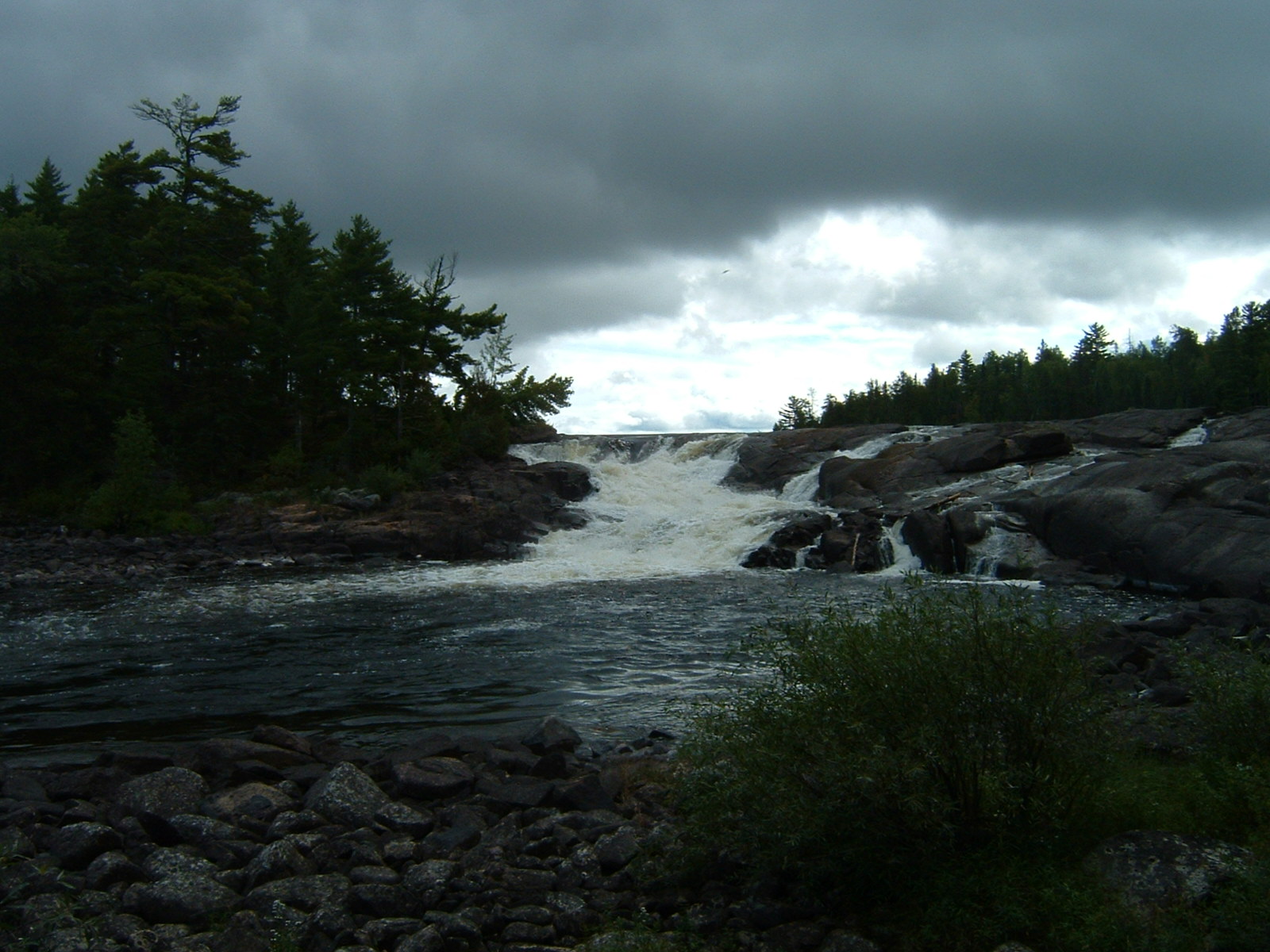
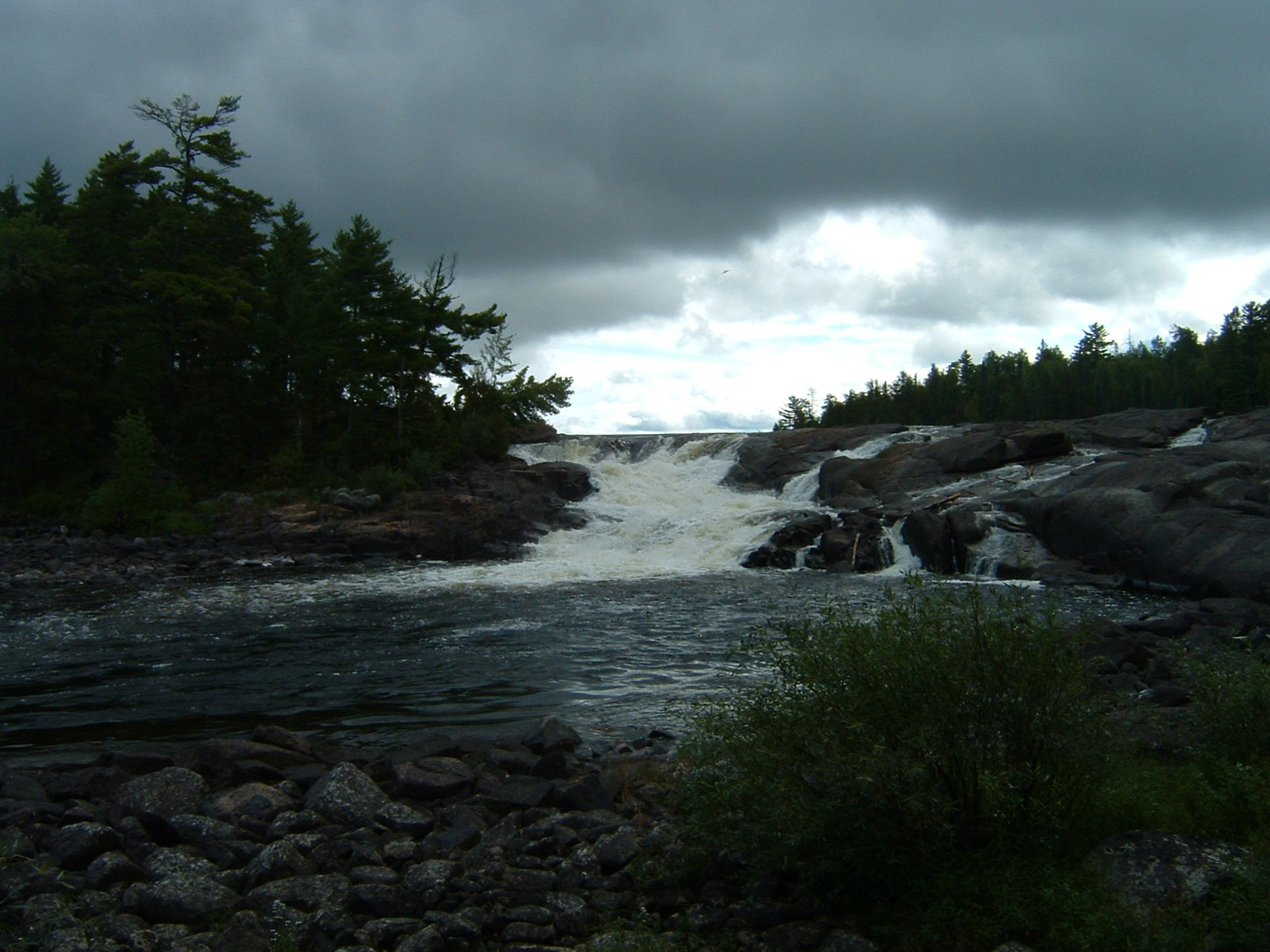
Potterville, Minnesota has many resorts on nearby Basswood Lake, providing guiding and other low paying jobs to those in Ely, Minnesota, where good jobs are scarce.  Crooked Lake is huge, with drowned trees still visible well out from the current shore, the hydroelectric power from Curtain FallsCurtain Falls; Canada on Left, US on right. providing cheap electricity to the mines on the Iron Range.  Two beautiful islands, out in the middle, on the border, are deeply submerged.  I never saw them with the late Mike Manlove.  Nor is there an island near the border, where I would have heard wolves on 25 September 1992, had the island been there.  I never saw Basswood Falls, for it was flooded.   Nor did I see the pictographs that once made Crooked Lake famous, for they were also flooded.  Mr. Potter said 80 years ago we needed jobs at all costs, to support our ever growing population; having smaller families and preserving wilderness just wasn’t–well, an American solution.

Overhead in Potterville, Minnesota are many aircraft, the noise rivaling that of the Grand Canyon.  No executive order was given by Harry S Truman forbidding flights below 4000 feet over the wilderness, for it had never been done before, and new ways viewing the world and of doing things are not part of Potterville.  In winter, the sound of snowmobiles is heard all through the region.  The last wolf sighting was about 90 years ago.  A sulfide mine has created a lot of jobs, but the water has become extremely polluted, and the mine will close soon.  Unfortunately, the company has gone bankrupt and will not pay for the cost for cleaning up the pollution.  Many said that a mine would pollute and the cost to the environment would not be paid; they were shouted down at town meetings.  Funny how you can’t find anybody in Potterville now who said they were for the mine.    Curtain Falls

But there is no Potterville, Minnesota, thanks in large part to Sigurd F. Olson, one of America’s first wilderness writers, Bill Magie, and many others who fought Potterville tooth and nail, recognizing that the world had changed, and Americans needed wilderness, not to conquer, but to visit, to test themselves, to see sights they couldn’t see anywhere else, and to recover their senses.  Sig Olson knew that we aren’t all that removed from the land, and there are many for whom wilderness is not just an escape, but a requirement for their sanity.  I am one of those.  There aren’t many like me, and most don’t understand us, but we exist.

Sig was once burned in effigy in Ely, Minnesota.  Nevertheless, he persevered until his death in 1982, while snowshoeing near his home, which today is called “Listening Point.”

Because of Sig and others, Curtain Falls is a wilderness cataract, straddling the international border.  Mike Manlove and I saw the lovely two islands, and I heard wolves that September morning out on Crooked Lake.  Basswood River is untouched, and Lower Basswood and Wheelbarrow Falls are beautiful.

Because of a few who fought Mr. Potter in Nebraska, in March there will be a half million Lesser Sandhill Cranes–90% of the world’s population– along a short stretch of the Platte River.  There will be water for the birds, for 4 miles of shoreline are protected by Rowe Sanctuary.  Many thousand people will visit Rowe’s viewing blinds during the 5 week season.  These people will spend several million dollars in Kearney, Nebraska, providing a big boost to the local economy.

Cranes Landing at sunset, 2012

I will guide about 10% of those people, telling them about the cranes, what they mean to me, and how this is one of two great North American migrations.  I will go to Nebraska, paying my own way, sleep on the floor in the gift shop, so I can hear the cranes at night, and work 17 hour days.  I will come home exhausted but thrilled.  There is not a time in the 70 trips I have taken into the blinds where I have not learned something new or seen an absolutely mind boggling sight.

Cranes at sunset, Rowe Sanctuary, 2011

Cranes Landing in Platte, sunset, 2012

Experiences such as mine have no price tag; Mr. Potter thinks everything without a price tag has no value.  He is wrong.  I’m not a hunter, but I think every guy and gal who has sat in a duck blind, gone out in camo on a chilly autumn morning to get a buck thinks that the country they traverse is worth something.  They just can’t put a price tag on it, Mr. Potter.  I can’t put a price tag on seeing 50,000 cranes in the sky at once, watching a crane dancing 100 meters away, hearing the calls at night, watching them kettle, catching the south wind north on their way to perhaps Siberia.  No, I can’t put a price tag on seeing them in Bettles, Alaska, last August, north of the Arctic Circle.

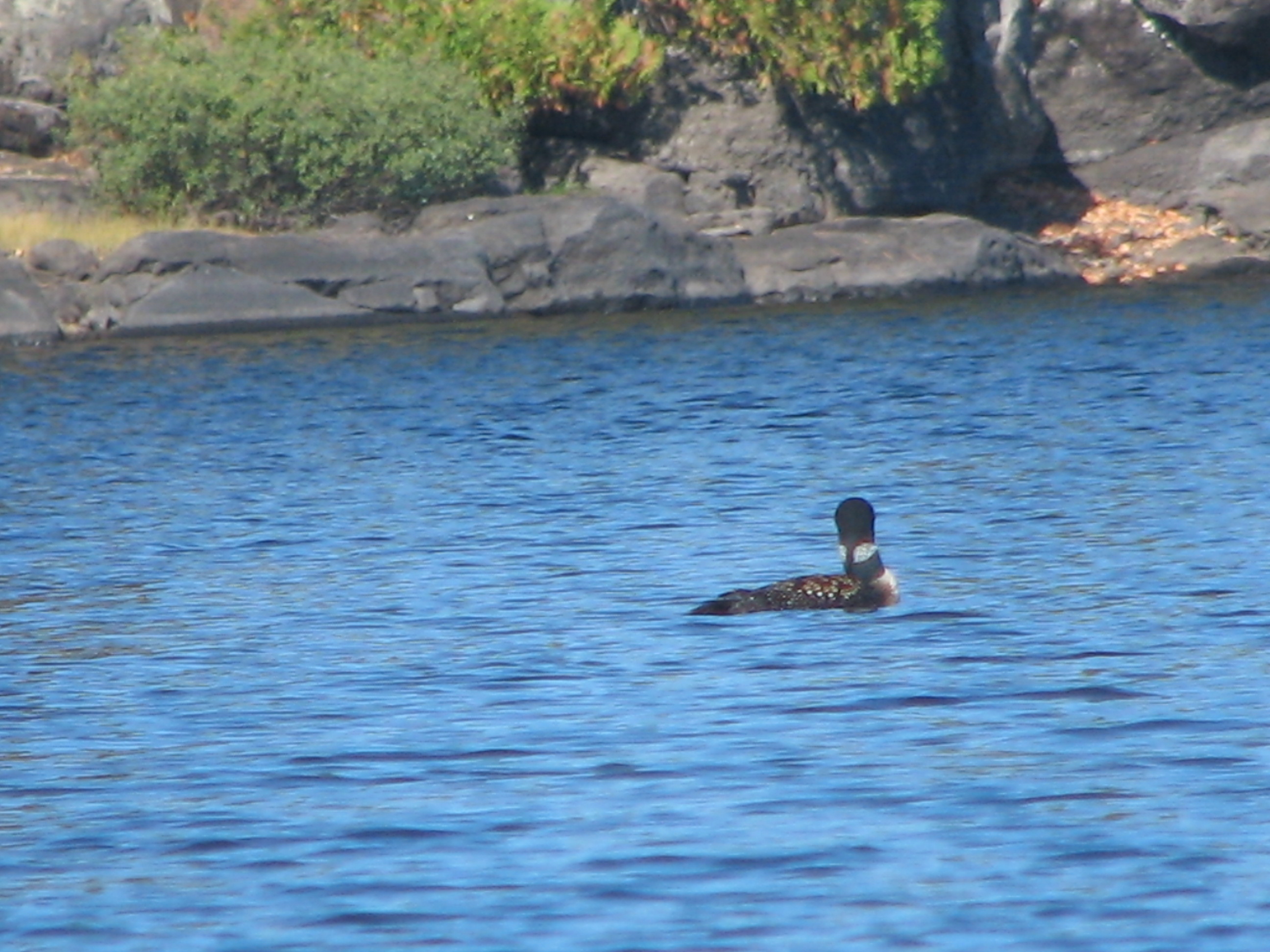
No, Mr. Potter, I can’t put a price tag on making 20 miles in a headwind, hearing wolves at night, sitting by a campfire, not thinking of anything, seeing the Harvest Moon coming up over Lake Insula, hearing the call of a loon at 2 a.m., looking at the darkest skies in the US and being in the largest roadless area in the Lower 49.

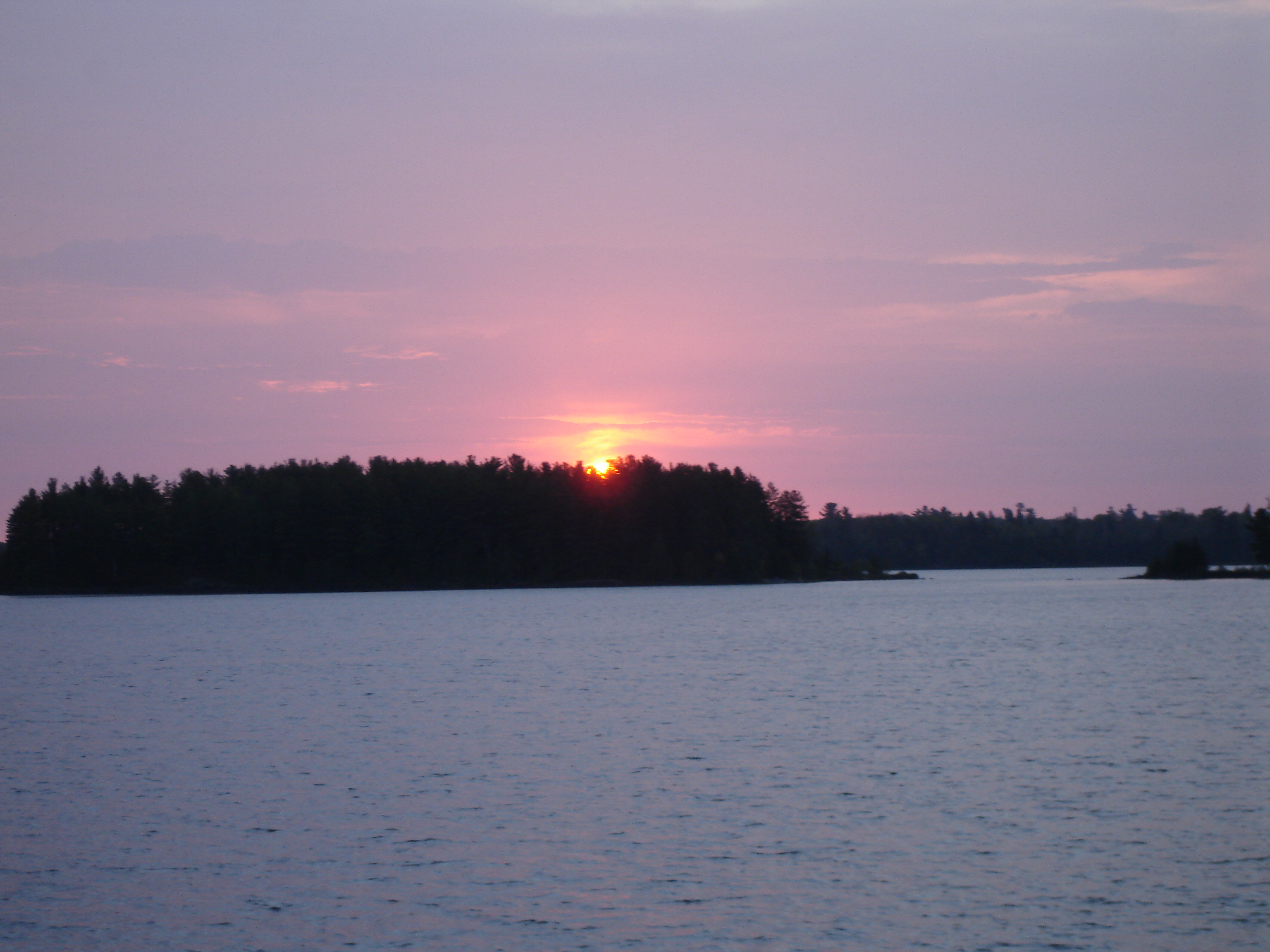
Lake Insula sunset

Common Loon

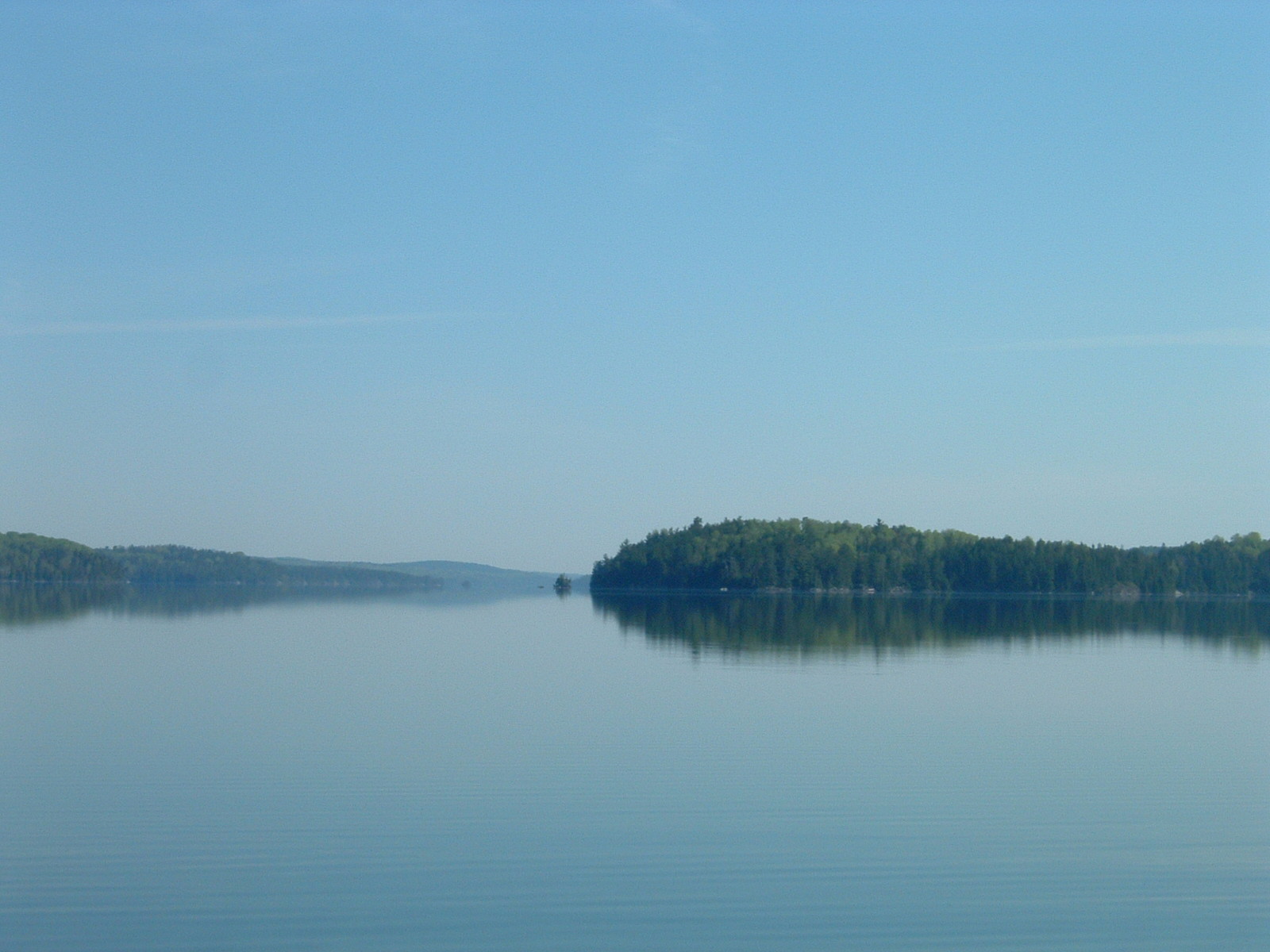
Big Water...vast sweep of Agnes Lake.

Or seeing Curtain Falls, in its natural state.  These things are priceless, Mr. Potter.

In April, I will spend a morning with the Executive Director of the Friends of the Boundary Waters, before going up north to Ely to spend two days on Basswood, not expecting to see anybody, sitting by a campfire, thinking of nothing, and maybe hearing a wolf.  I will be able to drink right out of the lake. I will be by myself, alone in a vast wilderness, which I require visiting periodically to be the person I am.  It’s a birthright of Americans that these places still exist.  But preserving these places must be fought against the Mr. Potters.

The Friends have worked to protect the Boundary Waters, just as Rowe Sanctuary has worked to protect the Platte River.  Both of these organizations, together employing about 8 people, will get about half of whatever estate I leave behind.  After I come out of the woods, I will attend the Vermilion Community College Scholarship Banquet, where I will give 3 scholarships I have created or helped fund.  Supporting VCC means a great deal to me.  It is a special night for many students.  Jobs are scarce, and the father of a young woman who was the second recipient of our scholarships wanted his daughter not to follow him into the mines.  He is not alone.  Money goes a long way in northern Minnesota and rural Nebraska.

It can cause or prevent Pottervilles. I’m trying to prevent them, but the battle can not be lost.

Not even once.

DOING BETTER THAN BIG GOVERNMENT, AND GOVERNMENT IS HAPPY ABOUT IT.

February 18, 2013

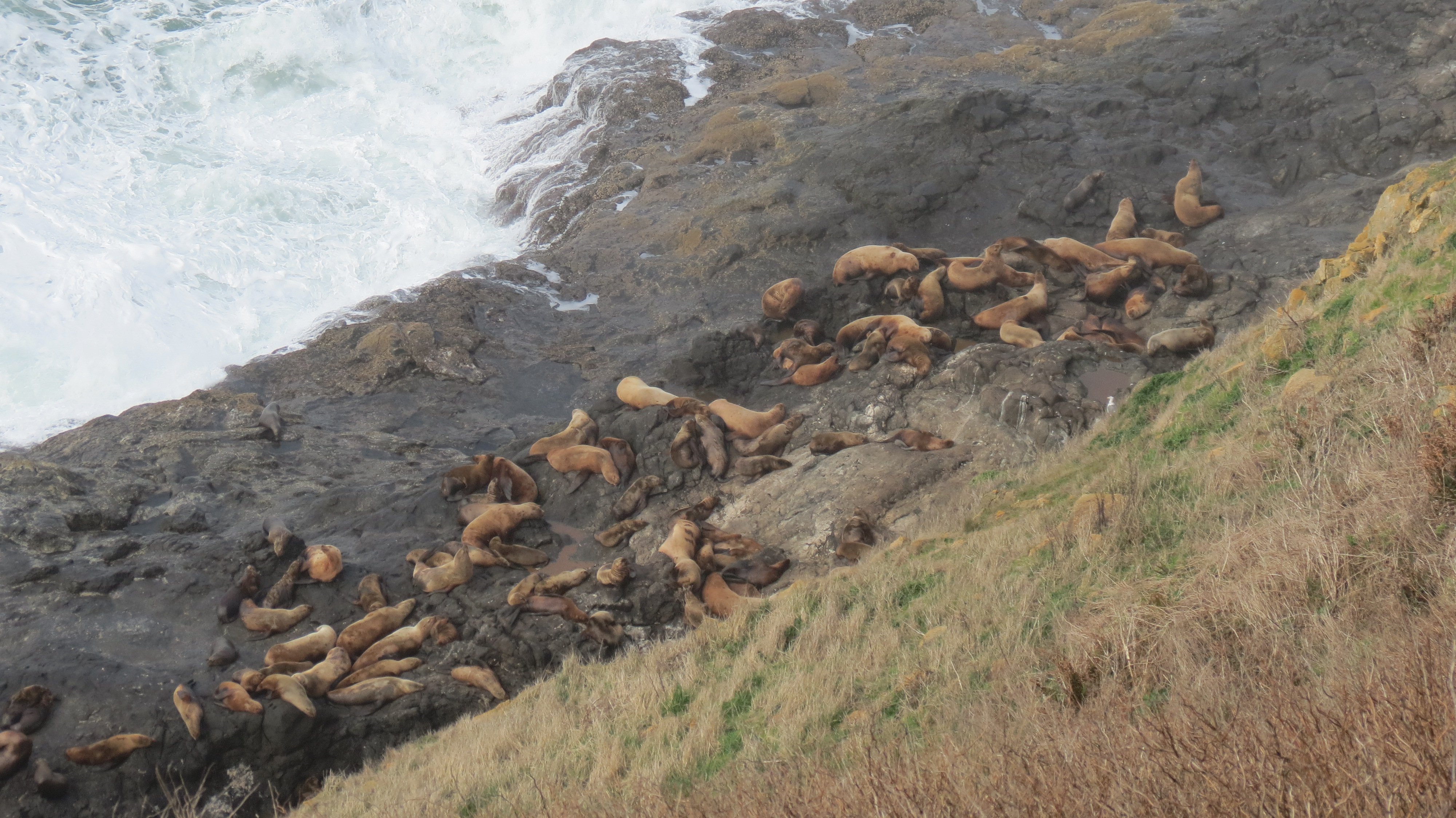
Sea Lion Caves is a privately owned business on US 101 north of Florence, Oregon.  In the 130 years since its discovery, there have been several owners, and in 1932 the 3 then-partners sold the property.  One of the buyers has since kept the business in the family.  This was one of the best things to have happened to the Caves.  Indeed, Sea Lion Caves is a model for how we can act without “big government.”

In 1977, a move to have the Oregon State Government take over Sea Lion Caves failed.  The government saw that the owners were protecting the resource–the largest cave known on a mainland for sea lions–and at the same time making a profit and employing many people; indeed, the Caves are one of the major employers on the Oregon Coast.

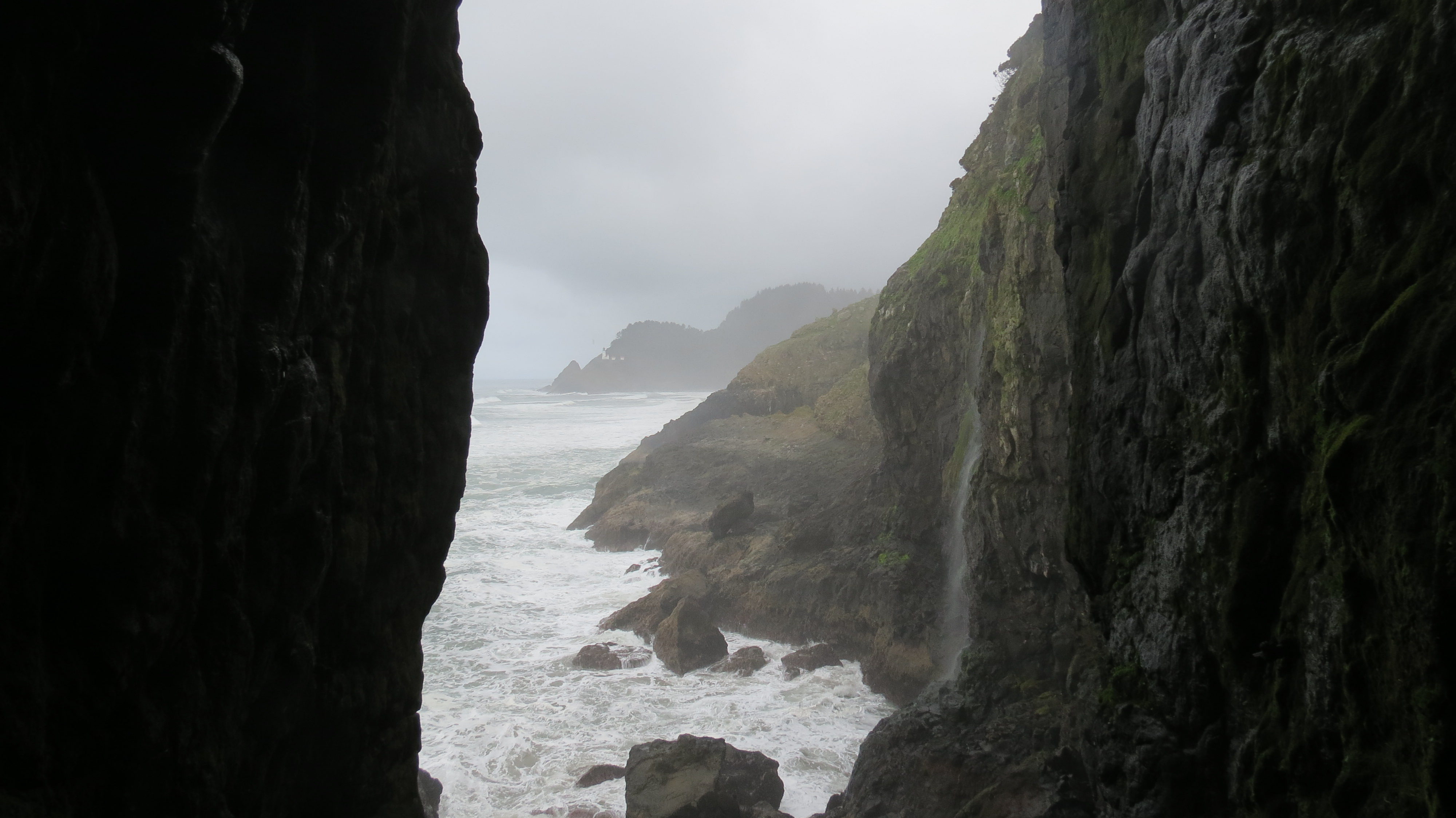
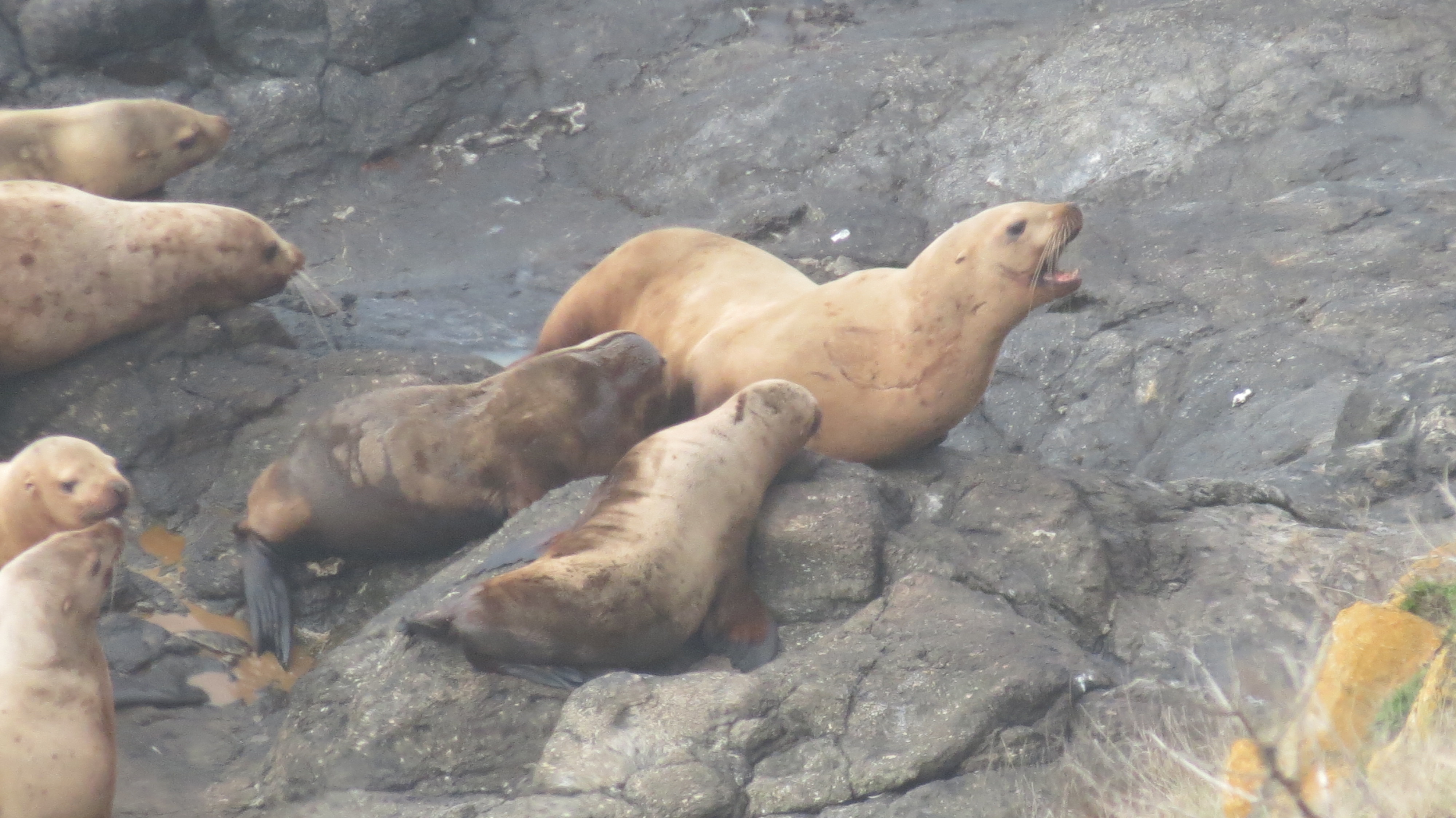
Were the Caves to be developed today, there would be too many restrictions placed on the owners, and the business would either be abandoned, or else the admission price, $12 for adults, would be much higher.  In order to have a more high tech building, permits would be required from 25 to 30 government agencies, as well as strong restrictions upon sewage disposal, which exist along the coast.  The owners have dealt with these issues successfully, and their goal is to keep the caves for the Sea Lions and not change what is currently working.  There is a lovely walkway to an overlook of dozens of Sea Lions, followed by another walkway to an elevator that takes people down 60 meters to a large cavern, where the Sea Lions can be seen at ocean level, and where there are many exhibits giving information about these large creatures.

Group of sea lions from walkway.

Sea Lion viewed from 150 meters.

All of this has been done with private business, is in good taste, is not a tourist trap, and generates jobs and profits every year, despite $15,000 in shoplifting expenses annually.  Even the poor creature that was a victim of a gunshot wound–by some individual who should never be allowed to own a firearm–has her skeleton displayed, so at least people can learn something additional about the animals.

In these pages, I have often commented how government regulation is needed, because people are simply unable to regulate themselves. Most of the time, I have been correct.

In the instance of Sea Lion Caves, however, government regulation was considered and declined.  Then governor Robert Straub stated: “I am proud that here in Oregon a private organization has shown that it can . . . develop and protect such a great natural resource and attraction – and still show a profit.”  It isn’t surprising to me that such occurred in Oregon, where so many aspects of the state are ahead of the rest of the country.

If we want less government, we would do well to heed the lessons of Sea Lion Caves.  When people adequately regulate themselves, the need for government to do the job is lessened or eliminated outright.  Had doctors regulated themselves with regards to qualifications and quality, there would be no hassles with Joint Commission or other accreditation, a lot less malpractice, a lot better quality, a lot fewer errors, and problems like HIPAA, or patient privacy, would not be the annoyances they are today.  I would go so far to say that every regulation has a reason, and that reason usually has to do with an individual or a group who failed to act responsibly.  It does not have to be that way, and on a remote stretch of US101, it is not.

View to north and Hecate Lighthouse Sea Lion bull in cave Bull Group of Sea Lions

Sea Lion viewed from 150 meters.

ULURU

November 19, 2012

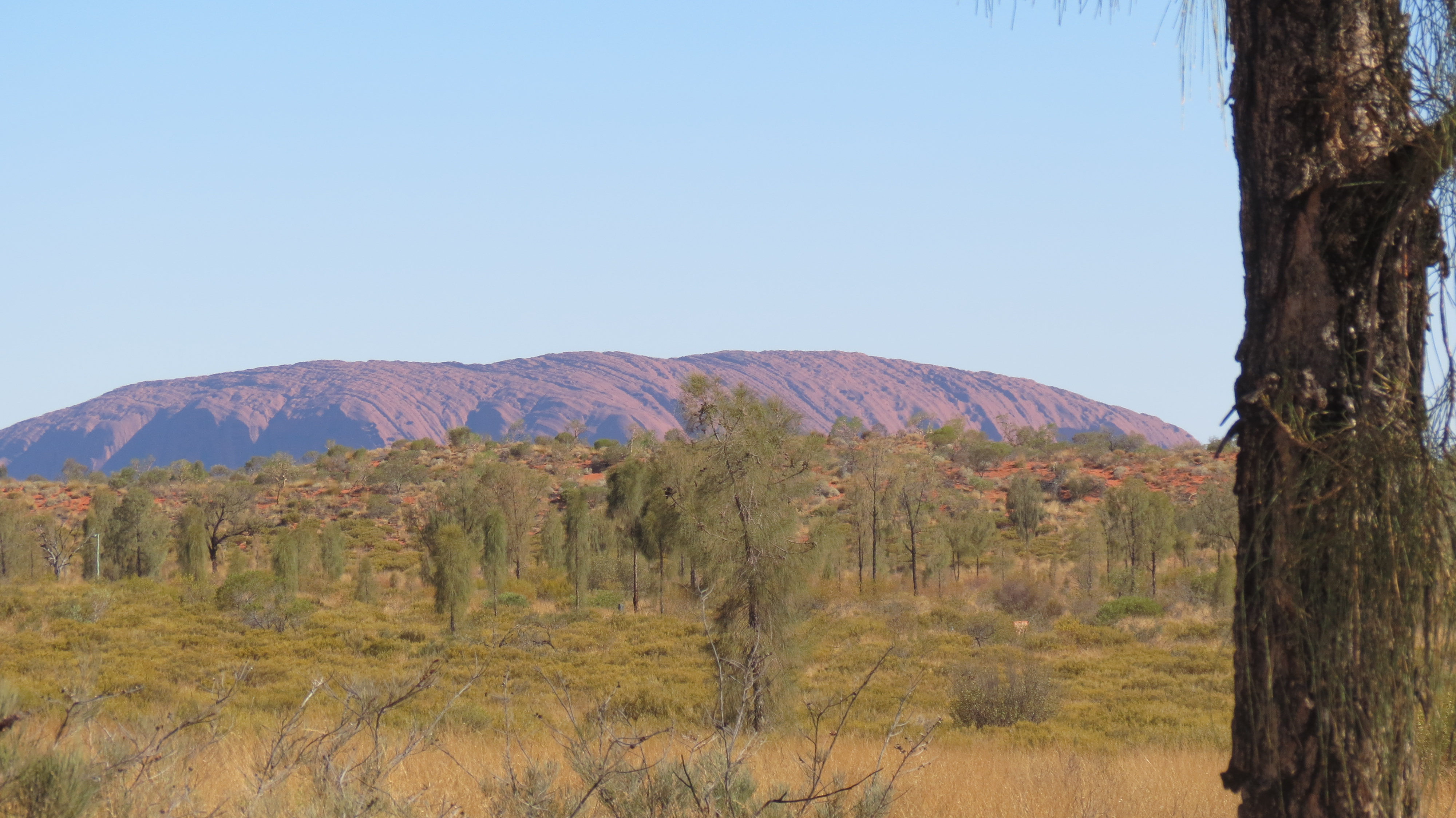
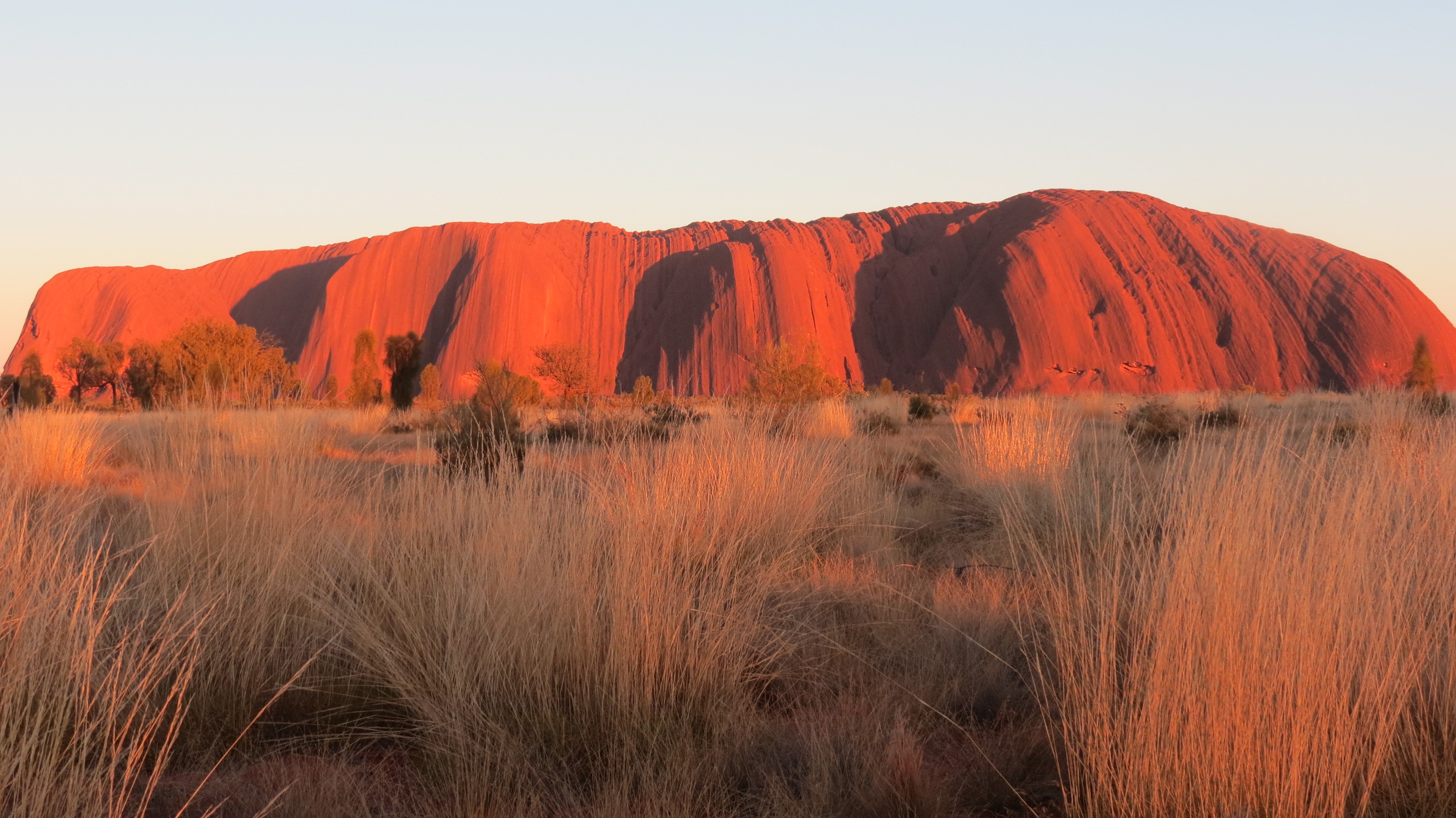
From 20 km, I finally saw the monolith, Uluru (Ayers Rock), that for years had been at the top of “The List,” of things I have wanted to see or do ever since I saw a wolf on Isle Royale, six and a half years previously.


The day after we flew in, we took a sunrise tour, where we saw the low rays of the Sun, in a few days to be briefly eclipsed by the Moon, strike the sandstone.  Then we approached it.


Uluru has been around for 350 million years.  What we see is the tip of a large uplifting, with rock extending about 2 km below the surface.  I didn’t know that, and that was only the beginning of discovering what I did not know.


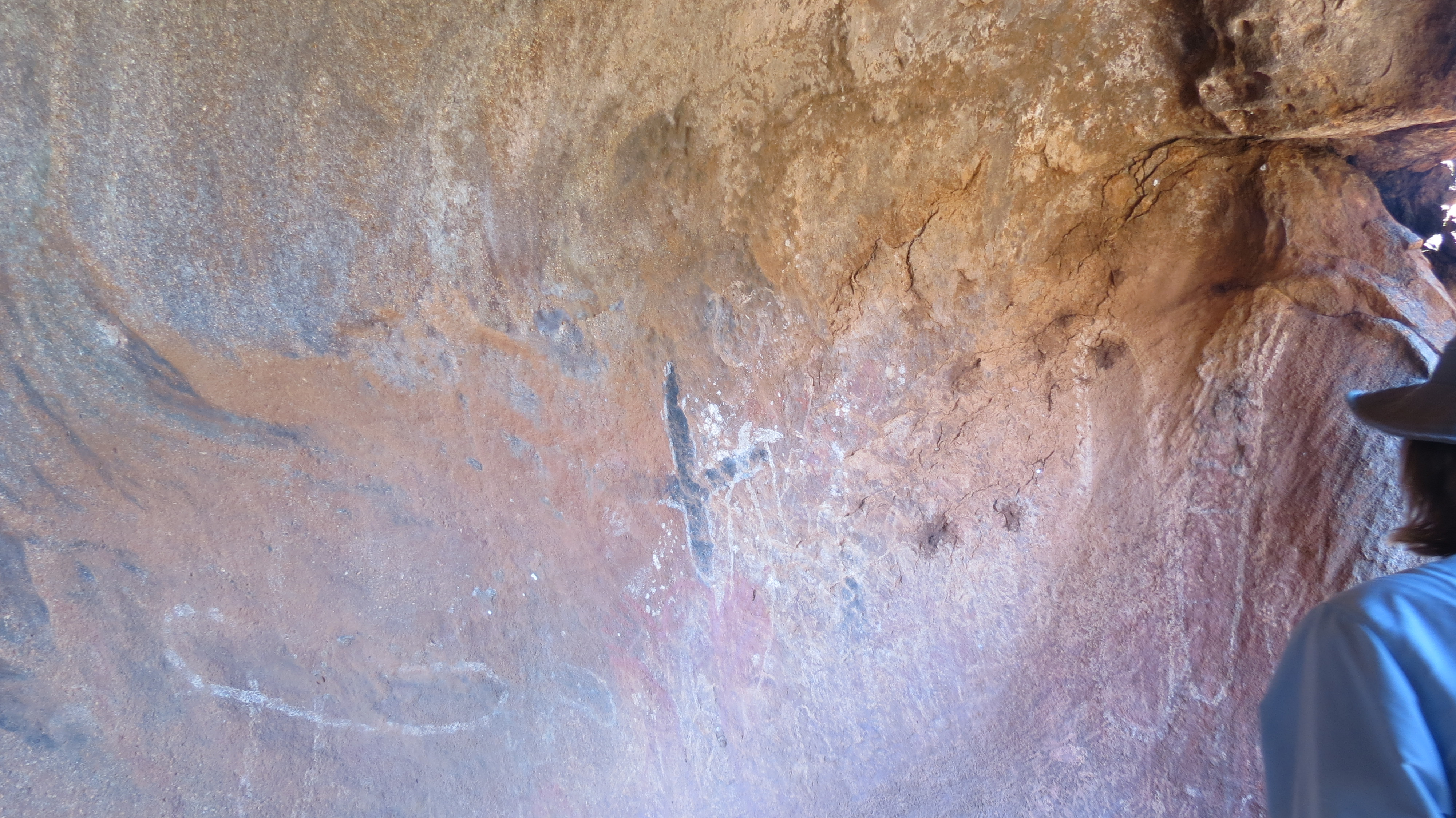
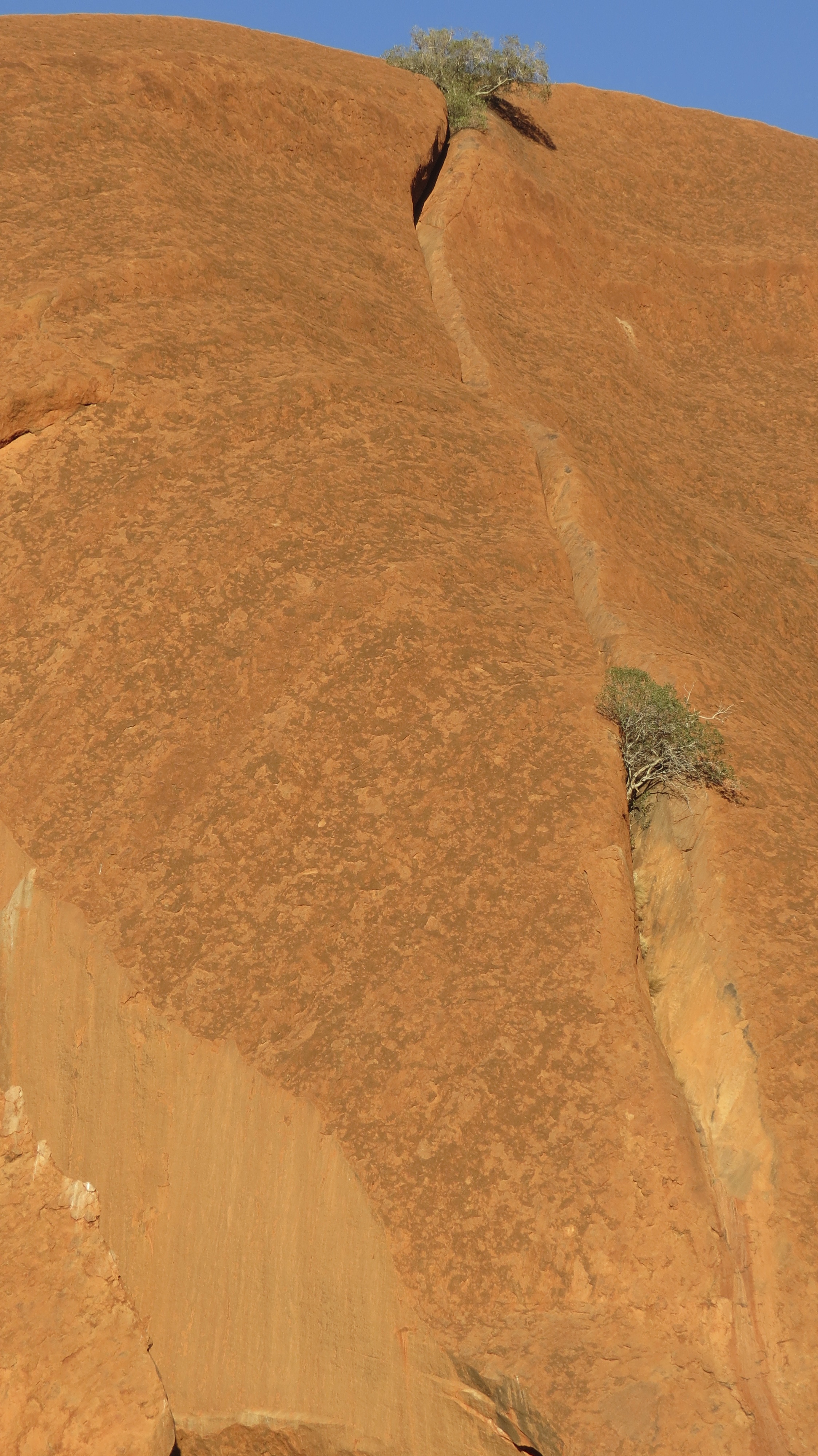
For example, we visited numerous caves and inlets to the rock.  Uluru is not simply a rock with vertical faces; there are many places where water can collect, places where people can–and have–hidden, lived, and practiced their faith.  The aborigines, who were once shot on sight by the first white men on the continent, have been present in this area for 60,000 years.  That is roughly thirty times the existence of any other major religion on the Earth.  To them, Uluru is sacred.  There are places along the trail where one is not allowed to photograph, just as it is considered insulting and wrong to photograph an aborigine without their permission.  The visitor’s center is off limits to photography as well.

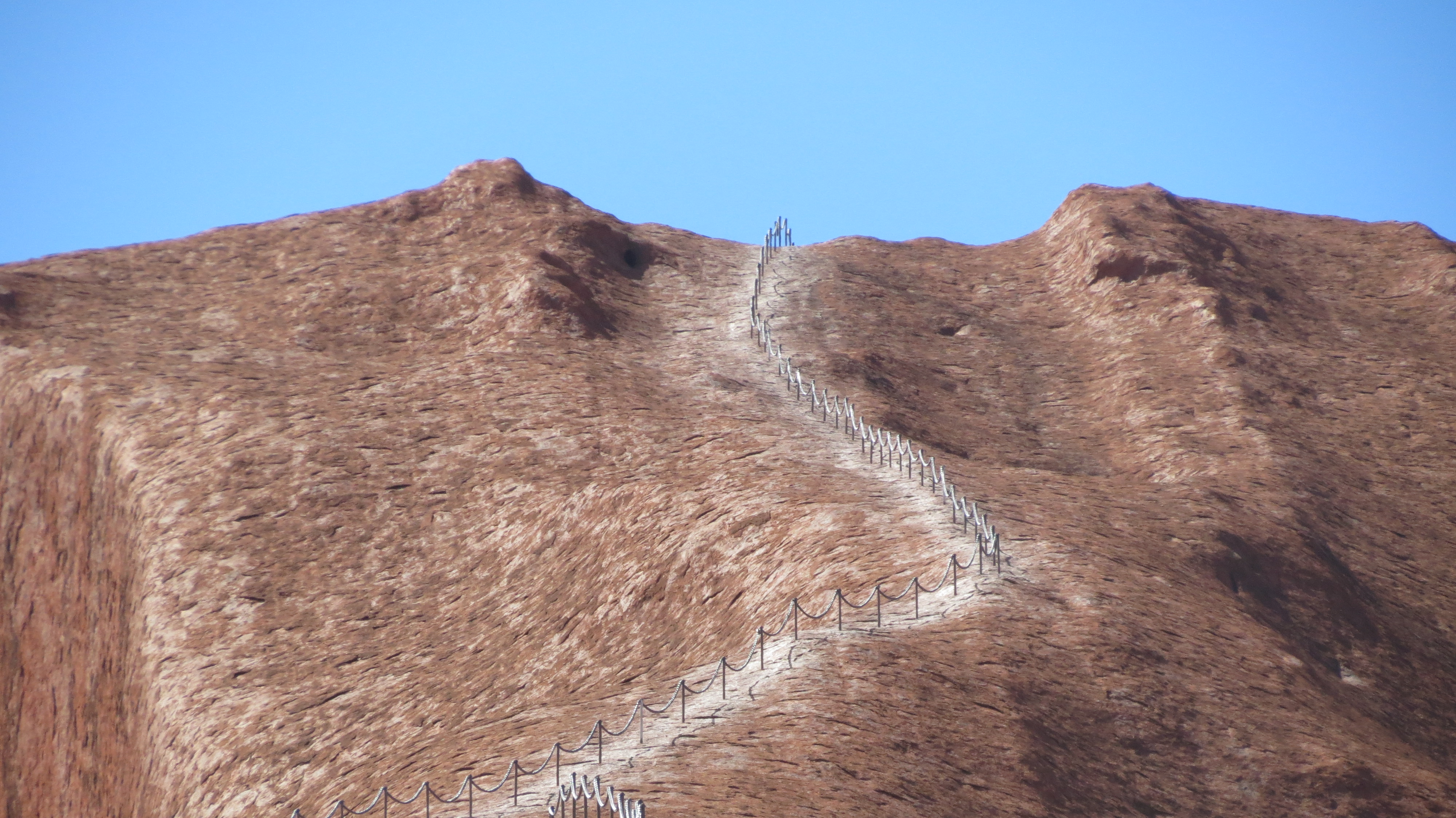
As one leaves the visitor’s center, there is a request–not a requirement, since there are no requirements at Uluru, only requests–not to climb what is considered sacred to the aborigine people, who never climb the rock.  There is a chain that allows people to climb the monolith, but the day I was there, the rock was closed because of high winds.  It didn’t matter to me, since I had not planned to climb it anyway, knowing it was sacred and ought not to be climbed.


Thirty-six people have died on Uluru from climbing, and for each the natives have required a ceremony to help those who died into the afterlife.  There are several memorial plaques that were placed on Uluru as well, although there are no new ones, because that affects the monolith, too.


Frankly, I found it good to go to a place where there were no extreme sports allowed.  There were no races up Uluru, no helicopter rides or hot air balloon rides to the top.  Indeed, the airspace over Uluru is also off limits.  There were no people BASE jumping, or using other conveniences to fly off the mountain.  Other than the chain fence, and the worn path into the Sandstone, there were no marks on Uluru other than a few paintings in the lower caves.

I can only imagine what Uluru would be if left to the white people.  There would be multiple routes to the top, the sandstone would be pockmarked with pitons, there would be ropes hanging off it, old campfires, tents, mountain biking, tours to the top, marathons ending at the top, races around the monolith, human waste and other litter.


I don’t have a problem with any of the above races, so long as they take place where it is appropriate, not one sacred to people who have existed in an incredibly harsh environment for sixty thousand years and have not destroyed it.

Theodore Roosevelt once said about the Grand Canyon, “You cannot improve on it.  Leave it as it is.”  We have not done that.  South Rim Village is large, although it is a relatively small area on the Rim.  There are trails, although they are limited as well, and they require a great deal of effort to walk.  We have, however, filled the airspace with fixed and rotary wing aircraft, creating a great deal of unnecessary noise.  By Uluru, one hears the wind, the birds, and very little else.

That evening, we took a sunset tour, again watching the change of colors that were a function of the Sun, the sandstone, the caves, and the black stripes where water drained off the monolith with each rain.  It was spectacular.  A group of Austrian tourists were nearby, and I practiced my German with them.  I lent them my binoculars so they could see parts of the monolith that I now knew something about.  It was the first time I had taught about nature while speaking only German.  I explained the pools along the rock that collected water and then overflowed to pools below.  I found words that I knew as I needed them.  It wasn’t great, but they understood what I was saying.  In two roles that I was comfortable in, teaching and nature, I was able to relax and speak.  It made the view even more magical.  How many different languages had been spoken at this site during the past six hundred centuries, I cannot imagine.  But one man spoke two that night, and for him, and that was special.


It’s nice for once to see something truly unique, virtually unspoiled, and will stay that way, except for the path to the top, which may some day be closed.  I hope it will be.


I went to Uluru to see the largest monolith in the world.  I came away thinking how nice it was that Australians, most specifically the most maligned ones–the aborigines–have not allowed the large numbers of people who have to show they are the best at whatever sport they decide they must do.  World class is to me an overused term, but at Uluru, the term is deeply appropriate.

What a blessing.


TRANSIT OF VENUS, 2012

June 6, 2012

I took my telescope, camcorder, and camera to the Pima County Medical Society, where I hosted about 100 people, maybe 30 or 40 at one time.  The first part was hectic, because ingress is what I really wanted to see, and that required getting the video camera set up and running on its own.  I filtered the lens with a solar filter from a pair of eclipse glasses.  That worked reasonably well. Then I had to use a solar filter over my camera and increase the optical to 35x.  I did a little push with the digital, and the camera focused on the Sun, not the Mylar, which happens if the Mylar is not taught.

In the meantime, I wanted to see ingress under high power in the telescope.

While all of this was going on, I was trying to answer questions, deal with people, make sure nobody looked at the Sun unfiltered, and showed them how to look at the Sun with binoculars filtered, since it is a new experience to see nothing through binoculars unless they are pointed at the Sun.

Just inside the Sun!

What was special was that many office workers stopped by, which is exactly what I hoped would happen.  A baby, probably about 9 months old, had his head put to the eyepiece.  I loved that.  His children will never see a transit, and his grandchildren will, only if they live to a very old age!!  This isn’t as spectacular as a total solar eclipse, but the rarity, and the chance to be alive when one of these occurred made it a very special experience.

I have about eight minutes of the ingress video, with comments of all sorts in the background.  I end the video with Venus in mid-transit.  This is also on CNN iReports (the picture, anyway).

ROWE SANCTUARY, 2012

April 12, 2012

This was my fourth year volunteering at Rowe, and the crane viewing was the best I’ve seen.  I flew into Kearney and was picked up by Margery Nicolson herself, the widow of the man for whom the center is named for, Iain Nicolson.

I hit the ground running.  Three hours after arrival, I was guiding a group to Stevie’s Blind, the first of the 19 consecutive tours I would guide.  We were busy; for the first time, I experienced all 5 blinds being open simultaneously.  I was in Jamalee 7 times, Stevie 5, East 3, Tower 2, and North 2.  All the trips were good for crane viewing.  I got to see cranes in the fog one morning, which was very special, as the birds appeared like ghosts in fog as the light slowly increased.  A few took off, but it was special, and there were remarkably few birds we saw, although we heard thousands more!!

Crane taking off in fog.

As a guide, I speak with my co-guide before we go to the blinds.  In the evening, we have a lot of time, because we usually arrive at the viewing blinds 30-45 minutes before the cranes land.  I try to show my enthusiasm at the beginning, then mention why the cranes come to the Platte every year.  Then, I go through crane viewing etiquette.  We have to be silent, nothing can protrude through the plane of the outside wall, and if anybody needs to use the Portapotty, they have to ask permission, so we can open the blind door quietly.

We return in the evening as a group.  Once people are in the blind, they must stay there unless there is a medical emergency.  Those take priority.  Personal inconvenience does not take priority over crane inconvenience.  Those who are hungry, cold, bored, or otherwise not interested, thankfully a very small number, have to live with being on a tour for two hours.

Photography is a big issue and at times a problem.  All flashes must be turned off and even taped, if there is any question.  The automatic focuser must be taped, so no light can show.  This does not affect the photography.  I ask for automatic rapid fire photography to be shut off, and only manual shutters to be used.  I have had photographers brag about 8 GB of photos taken, and one person told me that he had taken 3000 pictures during one blind session, averaging 40 a minute.  I have to wonder how many of these pictures are ever looked at over and over again, and how many pictures one needs of a Sandhill Crane, if that individual is an amateur.  I find the sunsets striking, and the great flocks of birds flying at sunset are wonderful to see.

On the river and a large group overhead.

The problem with photographers can be severe at times.  In 2011, one man had his camera lens protrude about 15 cm (6 inches) outside the blind window.  I told him 3 times to bring it inside, and he got upset each time.  The third time, he was visibly shaking with anger, and his wife had to calm him down.  I have the right to make him sit down and take no more pictures.  That is a personal inconvenience, not a medical emergency.  If we spook the cranes at night, they may hit nearby power lines and die.  That must never happen on my watch.

I have had people get angry with me for taping their camera, when they think all is fine.  I ask them to point the camera at me and shoot a picture of my ugly face.  If I see any light, I make them tape the camera shut.  I have that duty.  We put post-it notes over the LED screens, to decrease reflection off the face.  The problem we are dealing with more and more is the sound from cameras, which clearly detracts from the experience of hearing the sound, at least until it gets too dark.  There are three, two-person individual photography blinds at Rowe, but they are booked in advance, and the waiting list for cancellations is equally heavily booked.  We don’t have a solution to this problem yet.  Cell phones must be turned off as well.

If we have time in the evening, once we arrive in the blinds, I can talk about crane facts.  In general, however, more and more I allow people just to look and experience the phenomenon for themselves.  The good guides I trained with did that, and I try to emulate them.

Mornings are more difficult, because we need to get to the blinds early, before it gets light.  Therefore, about the only things we can say are welcome, this is a wonderful experience, few know about it, and these are the rules.

Large flock of cranes. The true words for plural are sedge, siege, or herd. But we use flock.

In the blinds, if people have questions, they ask me, and I will spend as much time as I can with them, so long as they are interested.

In the evening, we must leave as a group, because the cranes are on the river.  In the mornings, we leave at 0830, but often, I or my co-guide will stay until 0900, for those who wish to view longer.  After that time, there may only be two or three people, and so long as they are quiet, most of the birds are off the river, and it is not a problem for them to leave alone.

I have other pictures, the best I shot, at the following link.

Cranes over setting Sun.

I love the guiding, for I get to teach and watch cranes, and there isn’t much better in my life in Nebraska than those two things!!