Archive for April, 2013

UNCOUNTABLE COSTS: HOW MUCH IS THE BOUNDARY WATERS WORTH?

April 30, 2013

There is serious possibility of opening a sulfide mine in the Boundary Waters watershed, with politicians on both sides supporting it, because it will create jobs.  I haven’t heard much about the costs of such an mine.  Costs are different from money.  For example, we have spent more than a trillion dollars in Iraq and Afghanistan.  That’s money.  The cost, in dead, maimed, displaced, and ruined families is uncountable, but I would submit it is enormous. Because we can’t place a value on a human life, we don’t, so the money we were told we would spend–a laughable $1.7 billion–was at least four if not five orders of magnitude too low.  Before going to war, costs should be understood, but few in Congress understand costs.

Without doubt, the mine near Ely would provide jobs, although mining is more than pick and shovel work these days.  Mining requires engineering skills, knowledge of geology, and more important, knowledge how to do it safely, which means disposing of the waste in such a way that the environment is not polluted.

There are a few of us who think this mine is a bad idea.  A really bad idea.  One company that may be involved is not American; while that doesn’t make it necessarily bad, they don’t have the deep connection to the Boundary Waters that some of us have.  Worse, these types of mines have in every instance been shown to have left toxic metals on the surface that leach into the water and pollute it.

The name of the most beautiful wilderness in the Lower 49 is the Boundary Waters.   Connect the dots.  This region has some of the cleanest water on the continent.  I have drunk from the lakes on every one of my 62 trips up there. How many places can we still drink water out of a lake?

Fish live in water, too.  The second Saturday in May is a special day in Minnesota, for it is fishing opener.  I wonder how people will feel about the possibility of far fewer fish, should the mine pollute the watershed.

But the mine won’t be a problem, I have been told.  I will hear the good-looking young men and women, who sound so sincere, say that there is nothing to worry about.  The executives, who have so much money to gain from the mine, will say technology will make this mine safe, and there won’t be a problem.  The jobs that will be created will be so important to the Iron Range communities, where many are short on money and long on clean water and forests.  Everything will be just fine.  Listen to the reassuring voices.  Look at the handsome young people.  Watch the pictures of cute deer drinking out of a lake near the mine site.  Everything will be fine.

Until it isn’t.  Let me repeat that in a different way.  Everything is safe until it isn’t.  That goes for Challenger, Columbia, Tenerife, the Comet, Electra, and DC-10, shipping oil out Prince William Sound, pipelines through Arkansas, Deep Water Horizon, Chernobyl, Fukushima, and I suspect Keystone XL.

When the you know what hits the fan, suddenly people will be sorry.  “It’s an Act of God,” “we couldn’t have possibly foreseen this,” “we will do everything we can to make you whole.”  And the company will file for bankruptcy.  I wasn’t born yesterday. I could name dozens of other catastrophes.

But then it will be too late.  It will NOT be an Act of God, any more than rheumatic fever or tuberculosis was, death from infected hangnails, or acute lymphoblastic leukemia. Complex systems will fail.  It is a matter of statistics and probability, and there are not many who understand these concepts.

The questions I ask are quite simple:

1.  How much is the Boundary Waters Canoe Area Wilderness worth?

2.  What is the probability that the mine will pollute, and how are you computing that probability?

The first  question has no answer, and the second is difficult to compute.  We could do an Expected Value analysis on  the Boundary Waters.  We could add up the tourism dollars, the cost of the timber, the fresh water, the campsites, and multiply it by 1, since it already exists with probability 1.  We could have the money the mine puts into the hands of the people of northern Minnesota (not how much ore is there, but how much money goes to the locals, which is a much smaller number) and multiply it by the probability it will cause no problem, which from past experience, is fairly close to zero, and get another expected value.  We then compare the two.  But the first expected value is too low, because no price can be placed on the Boundary Waters. We can’t place a cost on certain things, like people’s lives, unless we want to use human trafficking as a means.  Is this what we’ve come to?

Because these mines have ALWAYS had problems, it is incumbent upon those supporters to show why THIS mine will be different.  But let’s get back to what we can’t measure–the  value of wilderness that is nowhere else this accessible, this pristine, and this transformative of people.  No, we can’t say what that is worth, but it sure is worth something.  It falls into the category of “It ain’t for sale at any price,” and that is what some of us are saying.

There are a few other things that ought to be pointed out as well.

First, Ely, one of the towns that would be impacted by this mine, was once populated by miners, whose kids went to work in the mines.  There is a community college in Ely–Vermilion Community College–where the last Thursday in April is a scholarship banquet, where $42,000 is donated to students.  I am responsible for 3 of those scholarships. 

In 2007, I gave a scholarship to a young woman, whose parents came to the banquet.  Her father worked in the mines on the Iron Range west of Ely, where the mine tailings are, for lack of a better word–ugly.  He was so proud of his daughter, whose education would have her not go into the mines, the way he did.

Now we are offering jobs back in the mines.  We seem to be going backward.

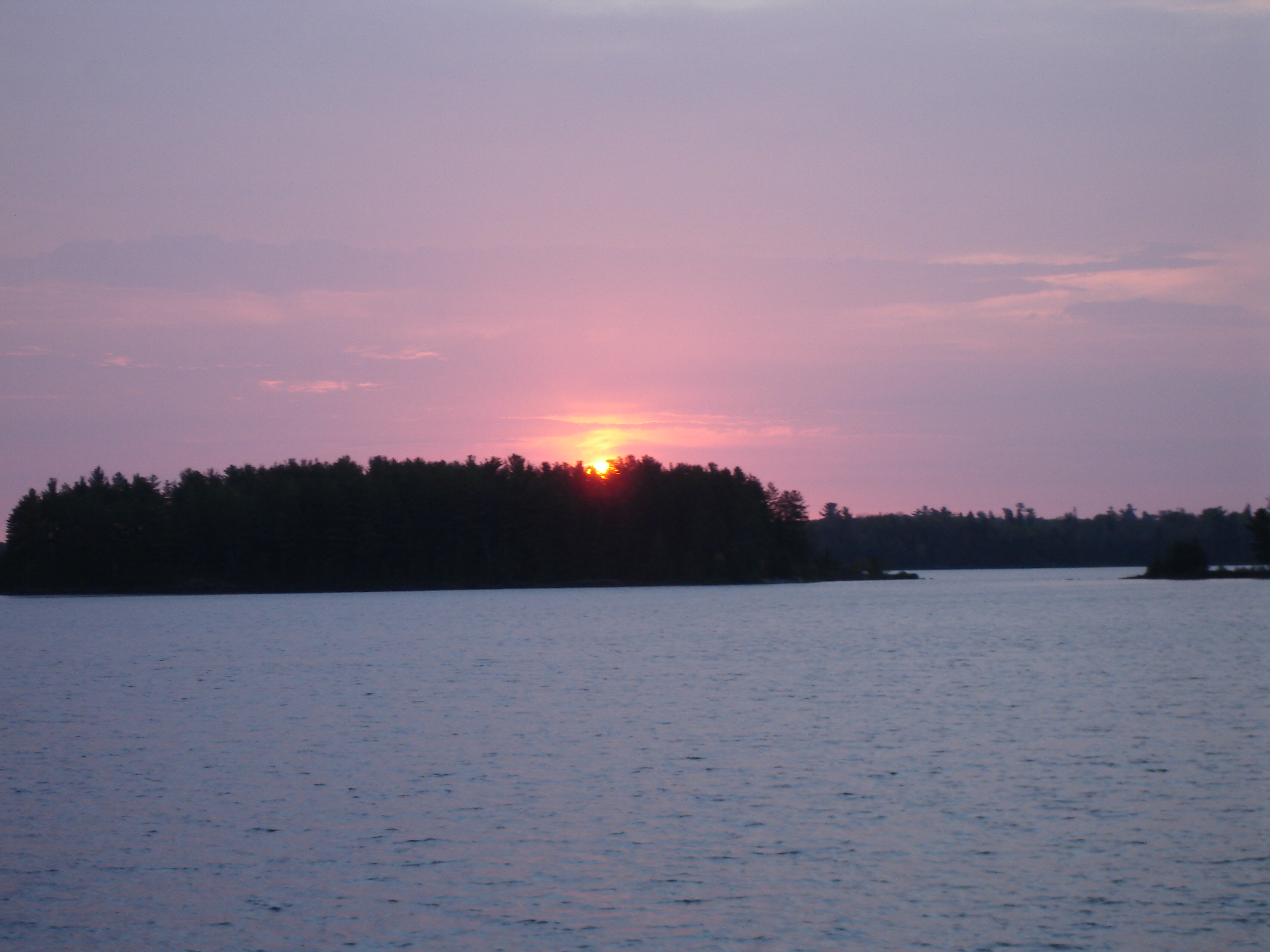
Second, many call the Boundary Waters “God’s country,” a term used for unspoiled wilderness, Up North, in Boreal Country.  I wonder how many believers up there think that mining in a sensitive watershed is in keeping with Creation.  Just a thought.  BOUNDARY WATERS_2007114
The third issue I have is one that we don’t discuss in this country, because the major religions don’t believe in it, and many people don’t either.  We need to have fewer children.  If we had fewer children, we wouldn’t need to find so many jobs for them.  The notion that somebody can finish high school, go into the mines for good money (so long as the mine keeps working), buy a truck, a snowmobile, a boat, have 5 or 6 kids, lots of debt, and expects the kids will be able to do the same thing–and their kids, too–just doesn’t apply any more in this country.

I’ve got skin in this game, although I have no kids.  I think we leave some areas off limits to mining, just as we limited the dams in the Boundary Waters, even though it was a matter of cheap power.  Really?  Cheap?  What would the cost have been had we destroyed Curtain Falls and flooded Crooked Lake and Lower Basswood Falls?  It almost happened.
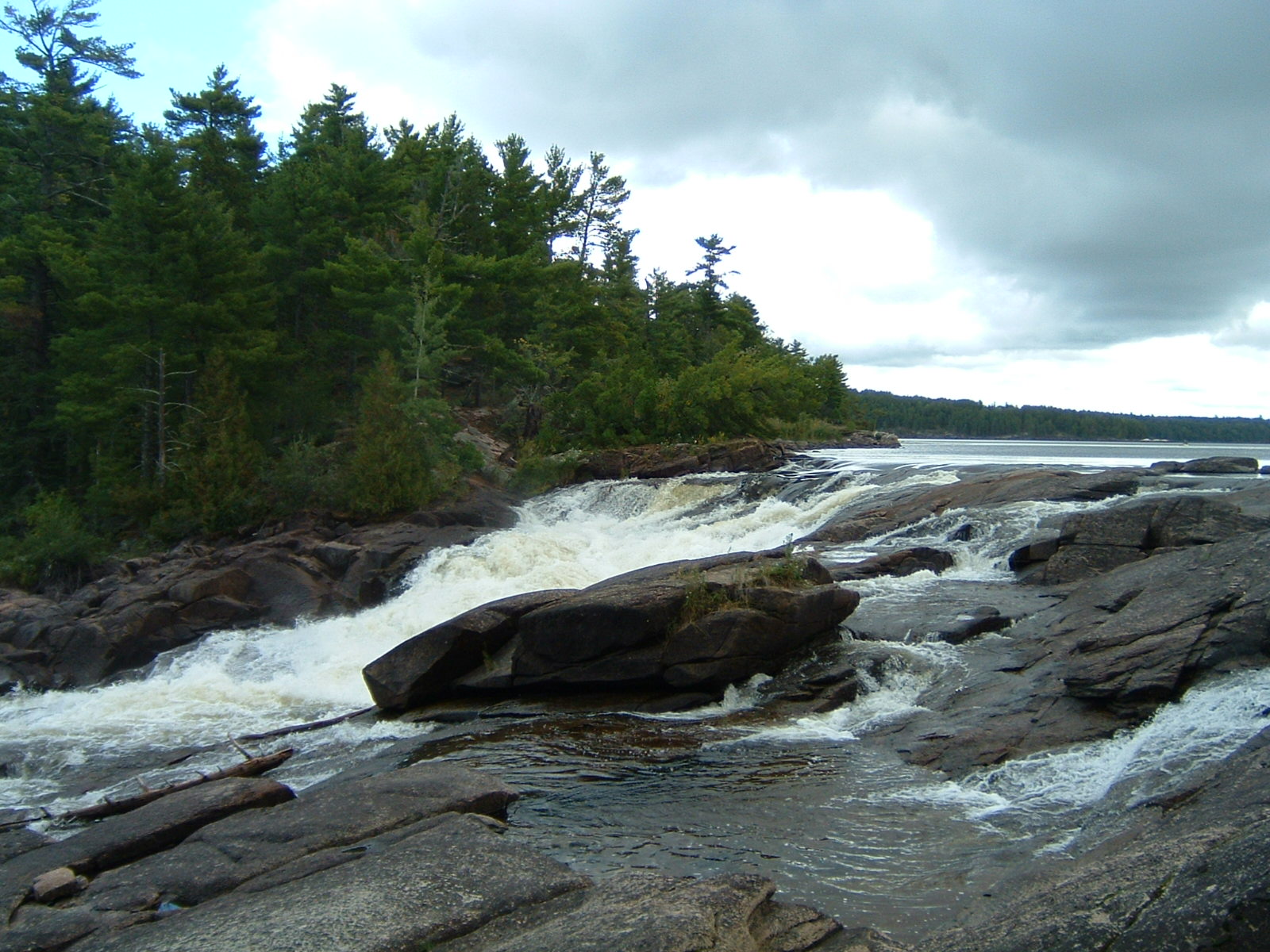
Crooked Lake at top; Iron Lake at bottom.
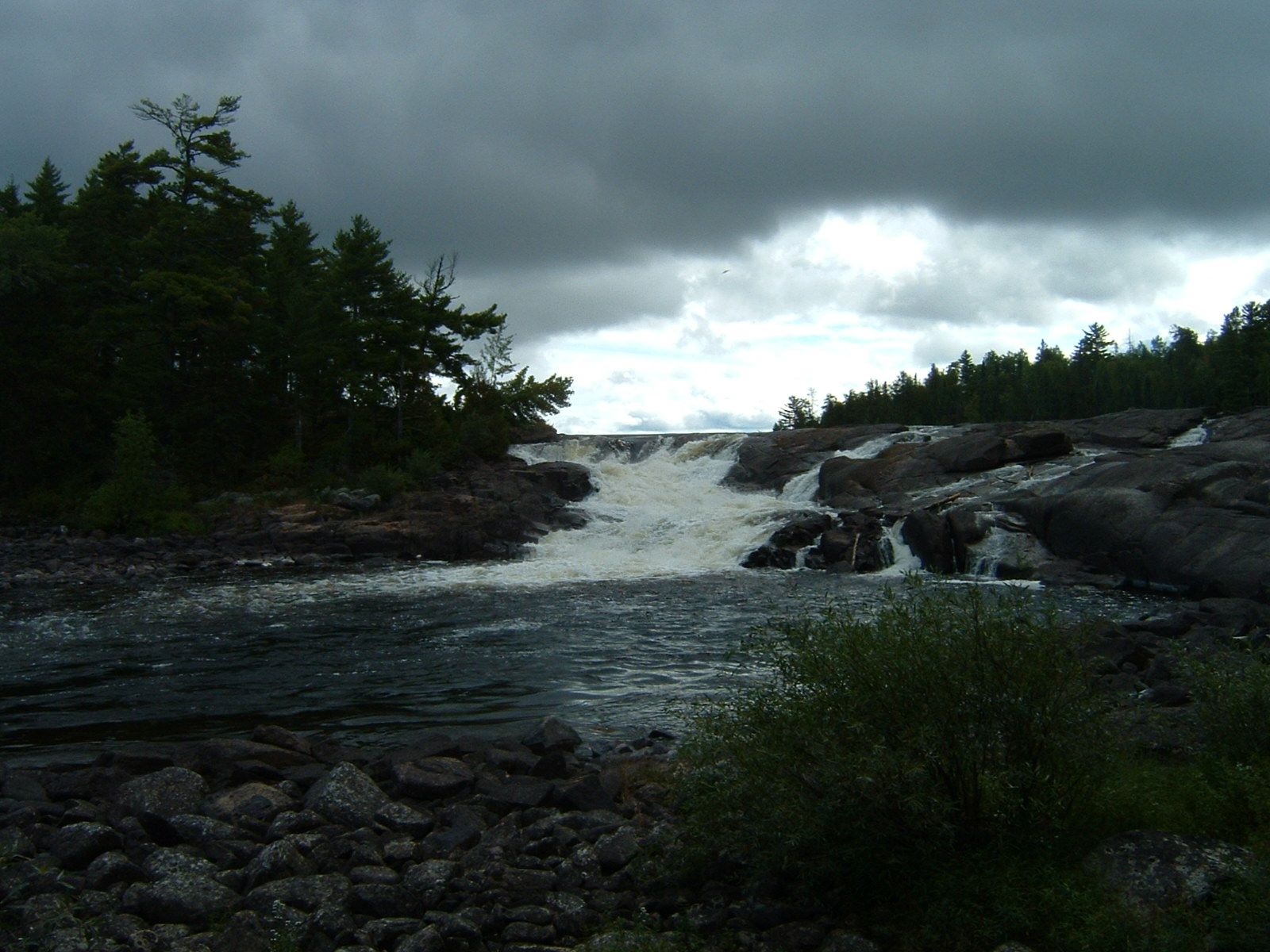
Curtain Falls today:  Crooked Lake at top; Iron Lake at bottom.

DSCF0026

The Friends of the Boundary Waters, of which I am a member, is going to fight this mine tooth and nail.  So is Steve Piragis in Ely, for whom preservation of the water resource is his livelihood.  I will support them.  The Friends wants to expand its scholarships too, so that more young men and women are trained to do jobs that wilderness management requires.  That is where the money ought to go.

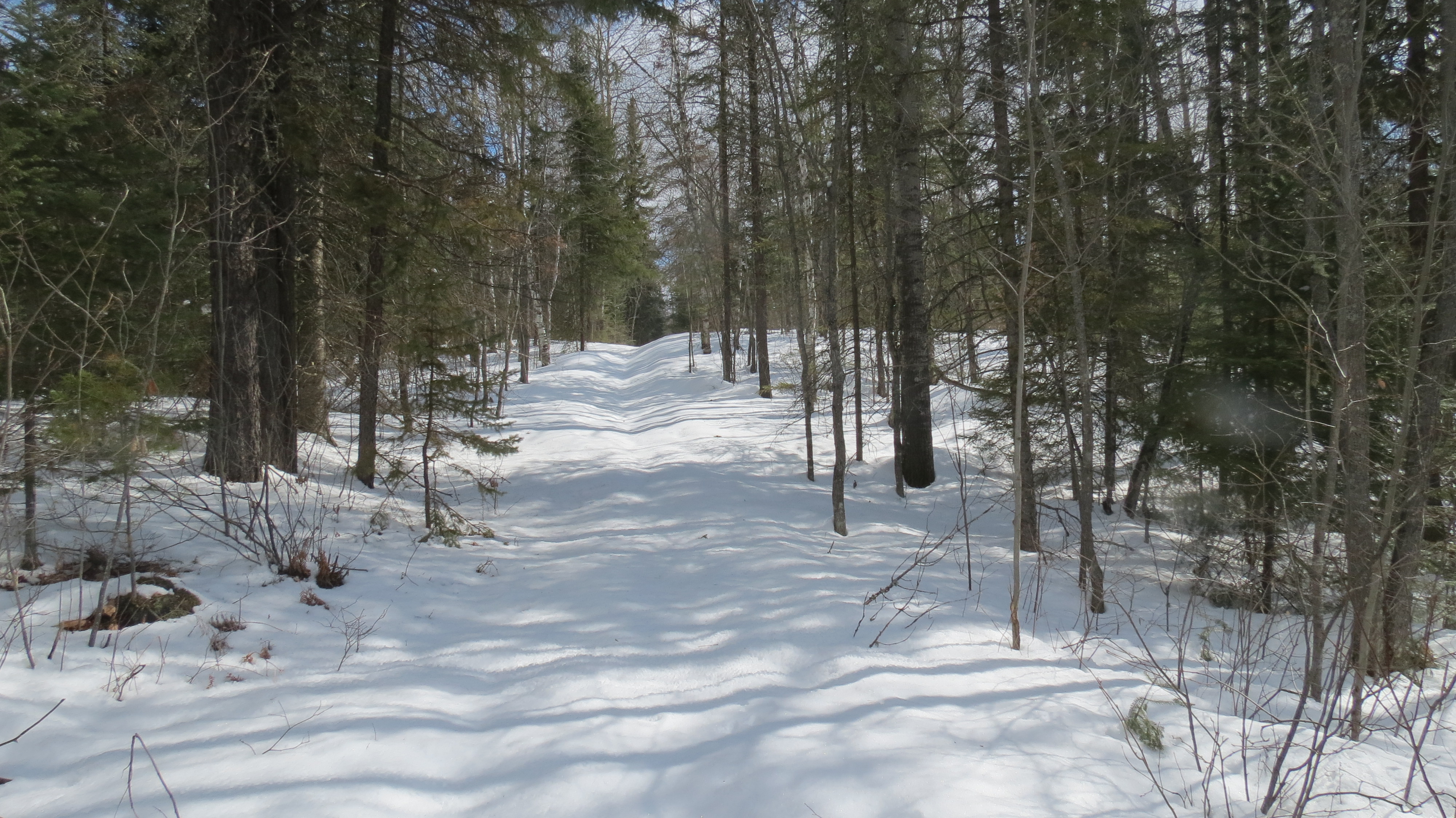
It’s a harder slog to fight this mine as it was recently for me to get into Angleworm Lake in 3 feet of snow. IMG_3096 I’m not young, handsome, or have a reassuring voice.  I am in the minority who dares say we have too many people and that polluted wilderness will not return.  I’m looking at 10-100 years, not next week’s pay check.  I’m thinking of those like me, who need wild country to find themselves and to think thoughts that can only be answered in God’s country. I may not win.
But I am going to the mat on this one.
NOT HAVING TO HAVE THE LAST WORD

April 27, 2013

Over the years, I have written many letters and many words, most of which were never read by others.  I got the anger and sarcasm off my chest by writing those words, but I decided against causing a lot of pain by sending those words out into the world.

A cardiologist I know, the  medical director of a cardiology program in the hospital where I was medical director, often sent letters that he obviously dictated, never read afterwards, and never let sit for a few days.  It fell to me, who was paid far less than he was, to reread the letters and tell the cardiologist what to write and what not to write.  Most of the letters would have been better off had he not written them.  The facts were not checked, the grammar was poor, and the point often could have been made with a lot fewer words or a telephone call.

With the onset of social media, it becomes very easy to comment on posts.  Many times, I have done so, only to delete the comment after it was written.  This morning, I started to reply to a comment on my comment, and finally just decided to let it go.

That’s really the secret:  knowing when to let something go.  If one insists on winning every battle and every argument, one may.  It is not a good way to live, and it almost guarantees failure of relationships with the opposite sex.  It took me far too long to realize that I needed to pick and choose those battles for which I would go to the mat on.  But even some of those, I would let the other person have the last word.  I’ve done that many times on Facebook, so I would not clutter up another person’s wall with my comments.

I often go to the mat on climate change, but I usually state my points and let the other person have the last word.  I make my five points very quickly:

  1. Is there anything I can say that will influence your thinking?  If the answer is no, then there is no use arguing.  We are now into the realm of ideology, faith, or religion.  I can be influenced about climate change; it is just that I require the following four statements to be present, and to date, they have not been.
  2. Can one state the argument without personalization?
  3. Will you use appropriate statistical terminology?
  4. Can you offer verifiable predictions to the Earth’s climate over the next 10-50 years?
  5. Can you state the consequences of your being wrong?

Once I have stated those issues and made my predictions, I have nothing further to add.  I will undoubtedly get something to read, which I will, until I see the first personalization of the argument, at which point I stop reading.

On gun control, which I also have strong feelings about, I am becoming more and more silent.  Like the conflict between Israel and the Palestinians, it flares up from time to time, and nothing will change in my lifetime.  I knew nothing would change after Newtown.  There are people who honestly believe that the government–the same government they say can’t do anything right–is going to confiscate their guns; something that is not being said by anybody in government.  They will not be influenced by me, and I am never going to change the feelings I had when I saw the handgun my late father had, when I cleaned out his apartment.  I looked at the gun, and I saw evil and death.  From a gun.  No, it isn’t likely I will be influenced, either.  So what is the point in arguing, other than to say as a teacher I will NOT carry a gun?

Most letters I write are about a quarter longer than they need to be.  They say all the feelings I have in my mind at the time.  I don’t omit anything.  They are powerful….and they are wrong and hurtful.

Letters with these strong emotions I require to sit for three or four days, unless they are a letter to the editor, more time sensitive, in which case I still let them sit for a day.  In that time, I discover some of the things I want to say really aren’t going to help my cause, may hurt it, are repetitive, and need to be deleted.

Posts that are on this blog are never written without letting them sit at least a week.  Sometimes, even that isn’t long enough.  Sometimes, a week is long enough to let them never see the light of day.  I got the issue off my chest, and that is what I really needed to do.

I didn’t need to put it on somebody else’s chest.

The disadvantage of allowing people the last word is that some make the mistake that my silence is tacit approval.  That is not true.  I might have decided the battle wasn’t worth fighting.  When I do decide the battle is worth fighting, one best be ready with statistics, probability, facts, and no tolerance for personalization of the issue.  That is the price I pay for waiting, being silent, and not having to win every argument.

That price is worth paying.

LOOKER-UPPERS

April 1, 2013

Several years ago, out in the Sonoita Grasslands, southeast of Tucson, I saw a thunderstorm develop over in Rain Valley.  Several of the thunderheads were producing a lot of rain, but the southernmost one wasn’t.  Instead, it kept discharging cloud-cloud lightning, as if it had a choice to either rain or light up periodically, and chose the latter.  In any case, it looked like a giant lightbulb.  I thought that interesting, so I stayed out to watch it.  I often just sit somewhere and look up.  It isn’t wasted time.

I am a looker-upper.

As I continued to gaze, I noted Jupiter high to the right of “Lightbulb,” shining with a steady light, as planets do.  I knew the object was Jupiter, because of its brightness and location.  Now I had a gas giant in view, with its own clouds and storms, as I observed from a rocky planet with its own storms, all right before my eyes.

And “Lightbulb” kept discharging.

I was fascinated with the show, but I knew that storms don’t last too long in the high desert, and I began to think of going inside, grateful, as I always am, for any show that nature provides.  For some reason, however, I stayed out a little longer.  I’ve long known that a an extra minute spent just looking may occasionally be worthwhile.  Besides, I was absolutely fascinated with “Lightbulb”.

Suddenly, a meteor shot through the sky between Jupiter and “Lightbulb.”  There aren’t many times my jaw drops suddenly, but it sure did here.  I had a simultaneous show in three levels of the sky:  the troposphere, high above the stratosphere, and in outer space.  I said another thank you to the heavens, watched for a while longer, and then finally went inside.

There is one other place I have seen three parts of the sky come into splendid conjunction.  If one travels to the Platte River in March, near the Great Southern Bend of the river, one may see the Sandhill Crane migration.  I really should use three different verbs here: to see, to experience, and to transform.  Many people see the migration, some experience it, and a few–like me–are transformed by it.  Transformation of a person by a sight means that the person is never again quite the same.  Not many sights transform me: a total solar eclipse did, and so did a sighting of a wolf in the wild 12 feet away, with nobody within 10 trail miles.  That’s heady stuff, being transformed.

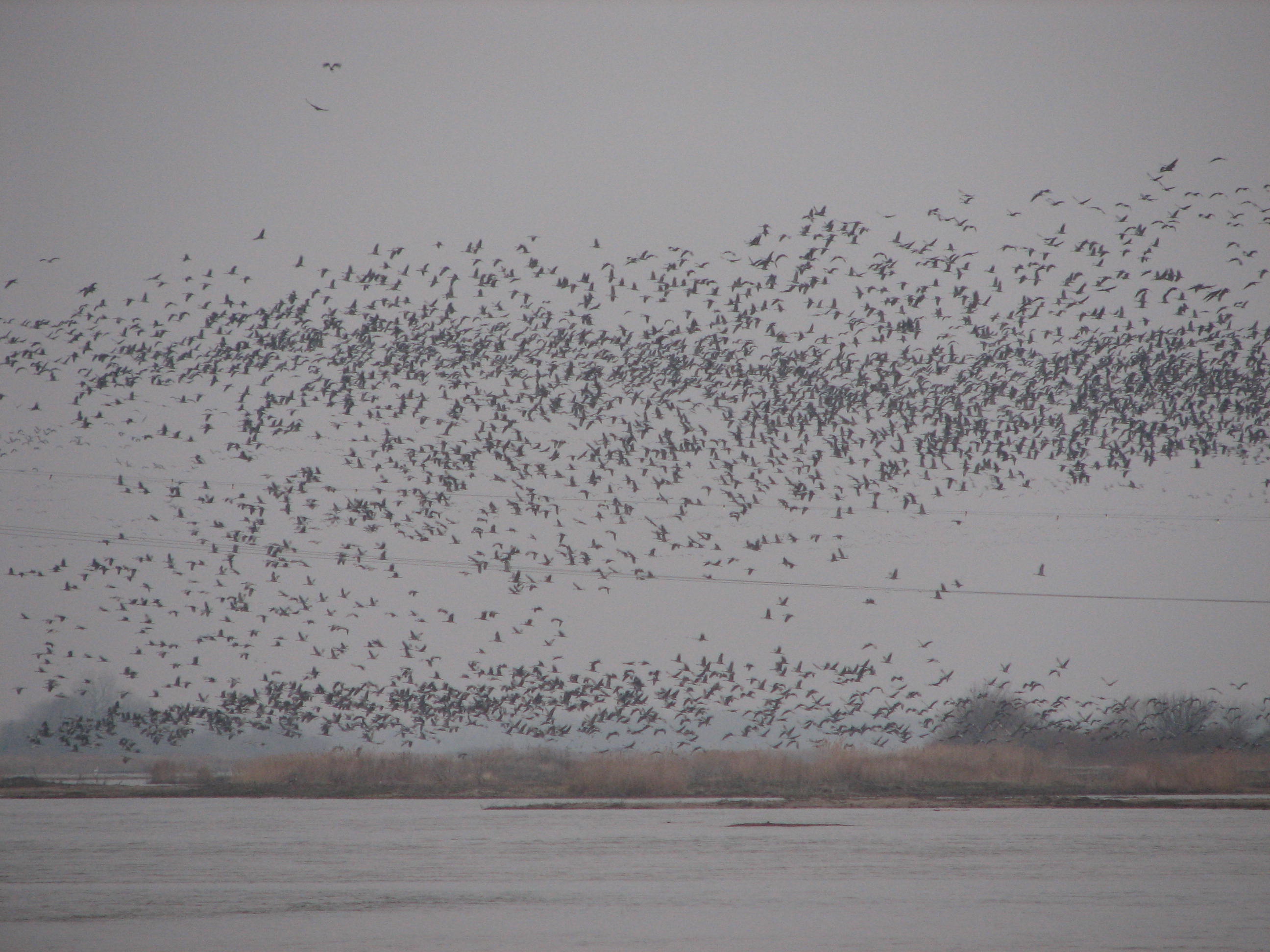
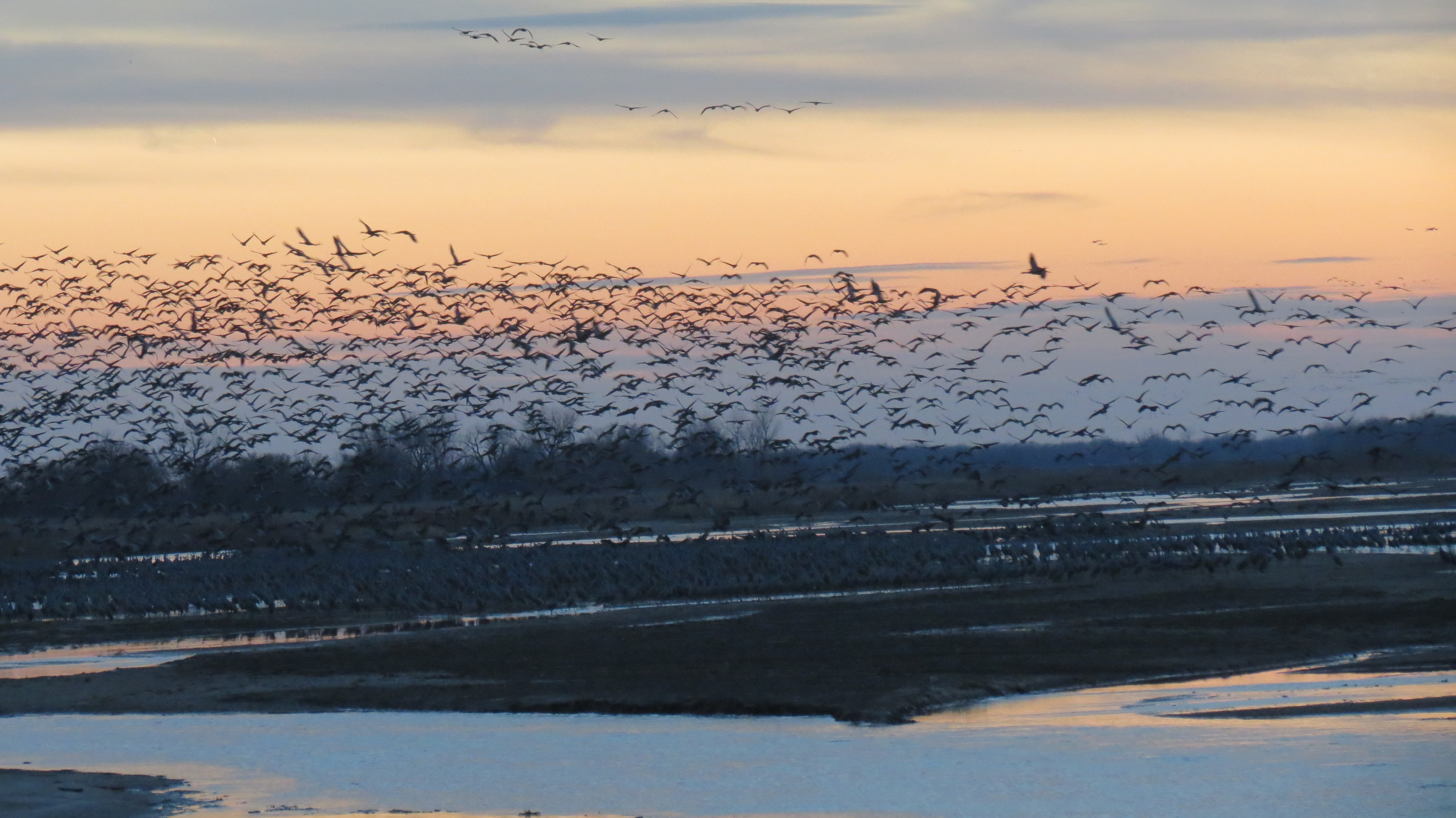
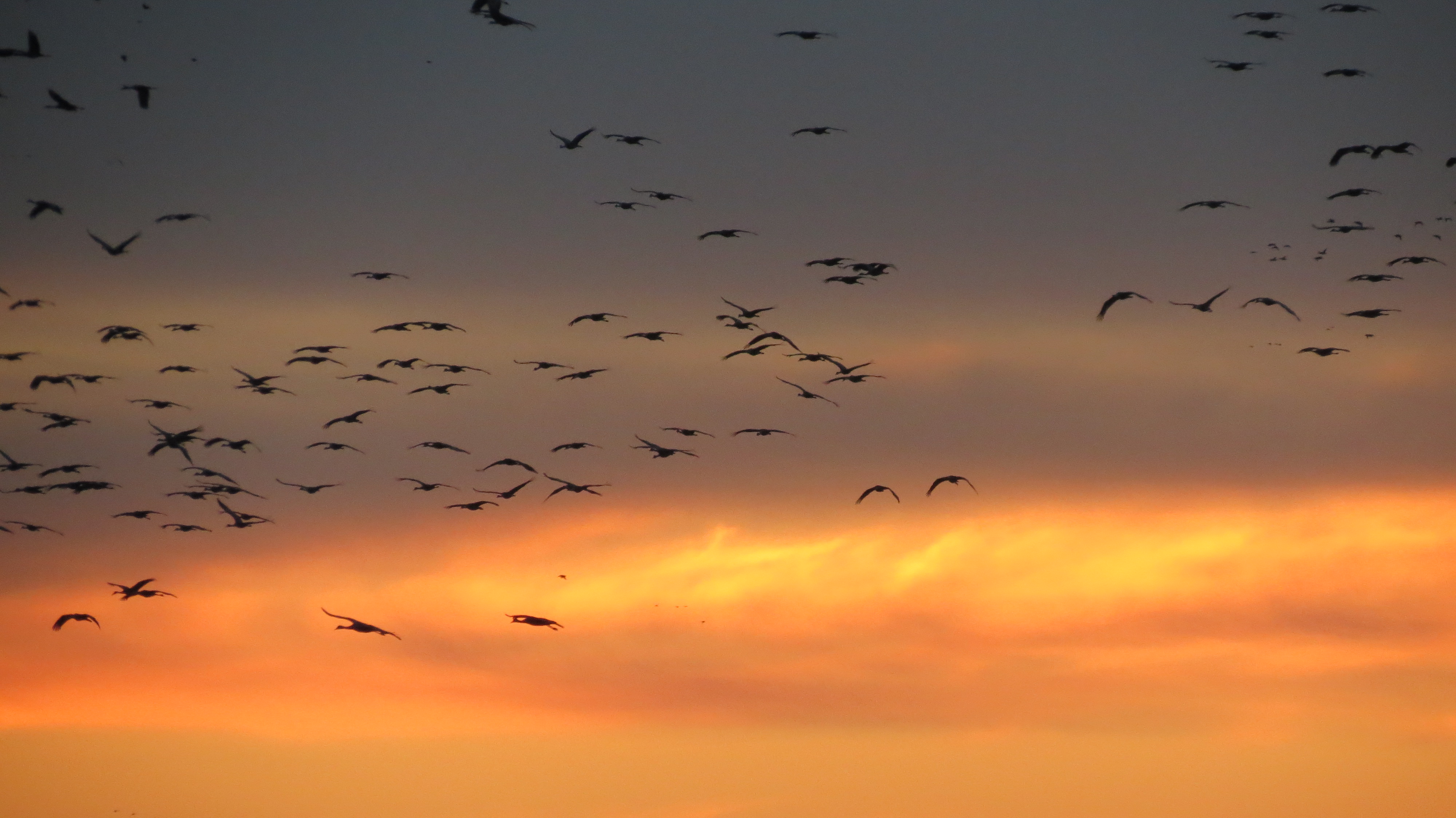
To see these spectacular birds, with their haunting call, darken the sky during a splendid Nebraska sunset and a full Moon rising in the eastern sky may transform a person.  I volunteer in Nebraska every spring, paying my way up there and working at Rowe Sanctuary, so I can go to the viewing blinds morning and evening.  It’s really selfish, but I do some work, too.  I work with other volunteers and Rowe Staff, all of whom are looker-uppers.

SUNSET CRANES

SUNSET CRANES

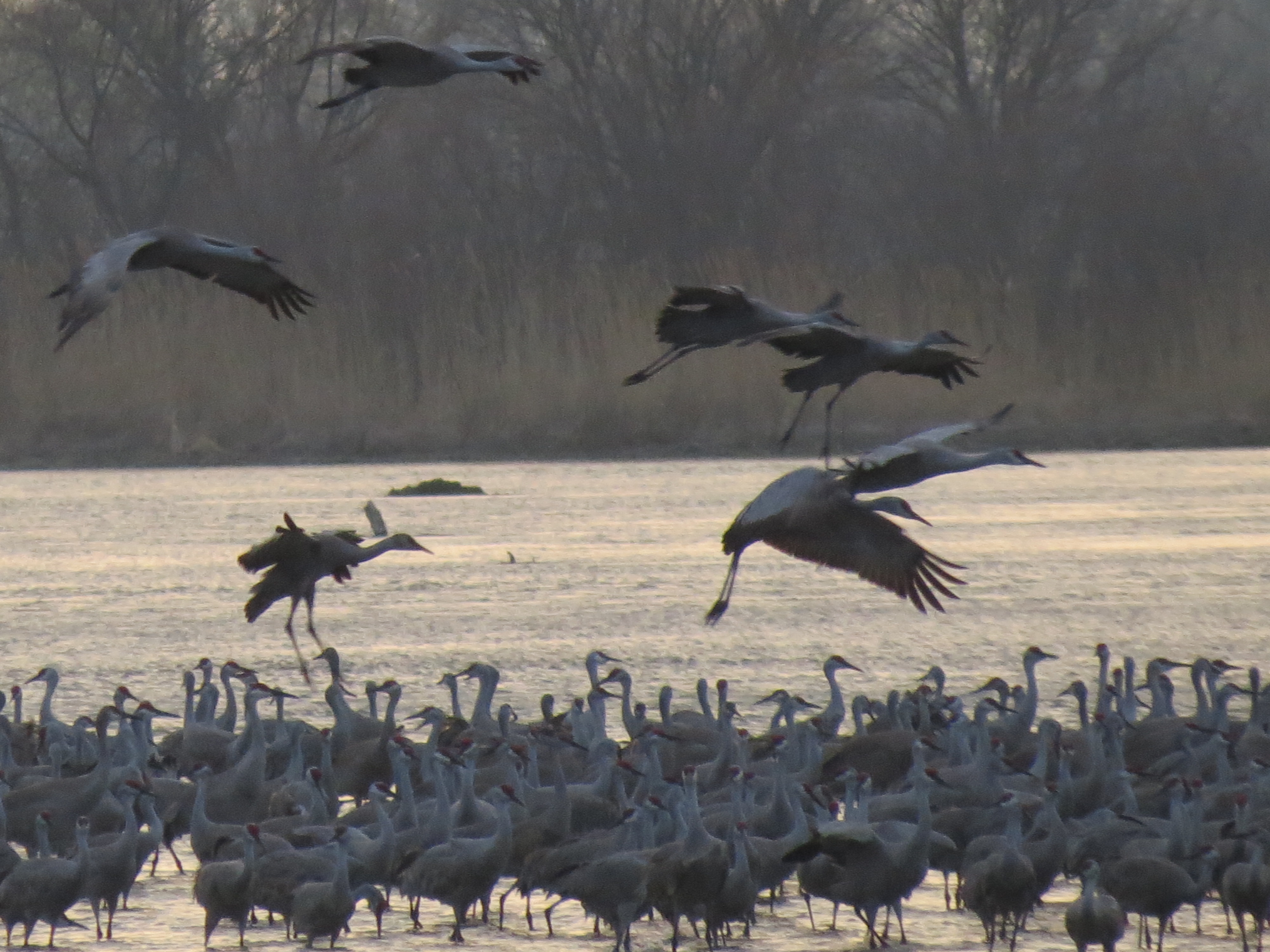
Sure, this conjunction may be explained by biology, astronomy and physics, but I doubt  many observers in Stevie’s Blind at Rowe Sanctuary on a March evening feel that way when twenty-five thousand cranes in the sky land right in front of them.  I doubt Stevie Staples, for whom the blind was named, looked at the cranes that way, either, and she was a teacher.

PART OF A FLOCK OF 20,000

Once one becomes a looker-upper, the person may become a bit of an astronomer, meteorologist, and birder, too.  Oh, I don’t mean the person can spot Andromeda Galaxy without optical aid, knows the difference between a Pied-billed and a Western Grebe, or can tell whether the sky is convectively active, but the person is learning.  I find myself looking up at the day sky, noticing where the deepest blue occurs.  There is a mathematical point in the sky where the sky is bluest, depending upon where the Sun is, but I don’t bother with the math.  I’m more interested in finding the deepest blue, and my 1x eyes are perfect for the task.

From blue sky, I started noticing clouds and weather, too.  Soon, I became as interested in the weather as I was in the night sky.  It’s easy to do, and as a guy who goes into the woods a lot, it helps to know how to predict the weather.  Oh, of course, I wasn’t a professional meteorologist, but I knew enough to keep myself more comfortable than I otherwise would have been.

I continued to look up and became a birder.  I won’t say I am a great birder, but I’ve seen many species, many of which I actually figured out on my own.  It’s often good to bird alone.  It makes a person a better observer, requiring spotting the subtleties that allow identification.  Other times, it is good to go with an experienced birder who can spot a particular bird and explain why and what it is. Birding is fun, but it is not a passion.

Looker-uppers aren’t necessarily experts; they just know where beauty lies.  And a lot of beauty lies above us, free for those who look.

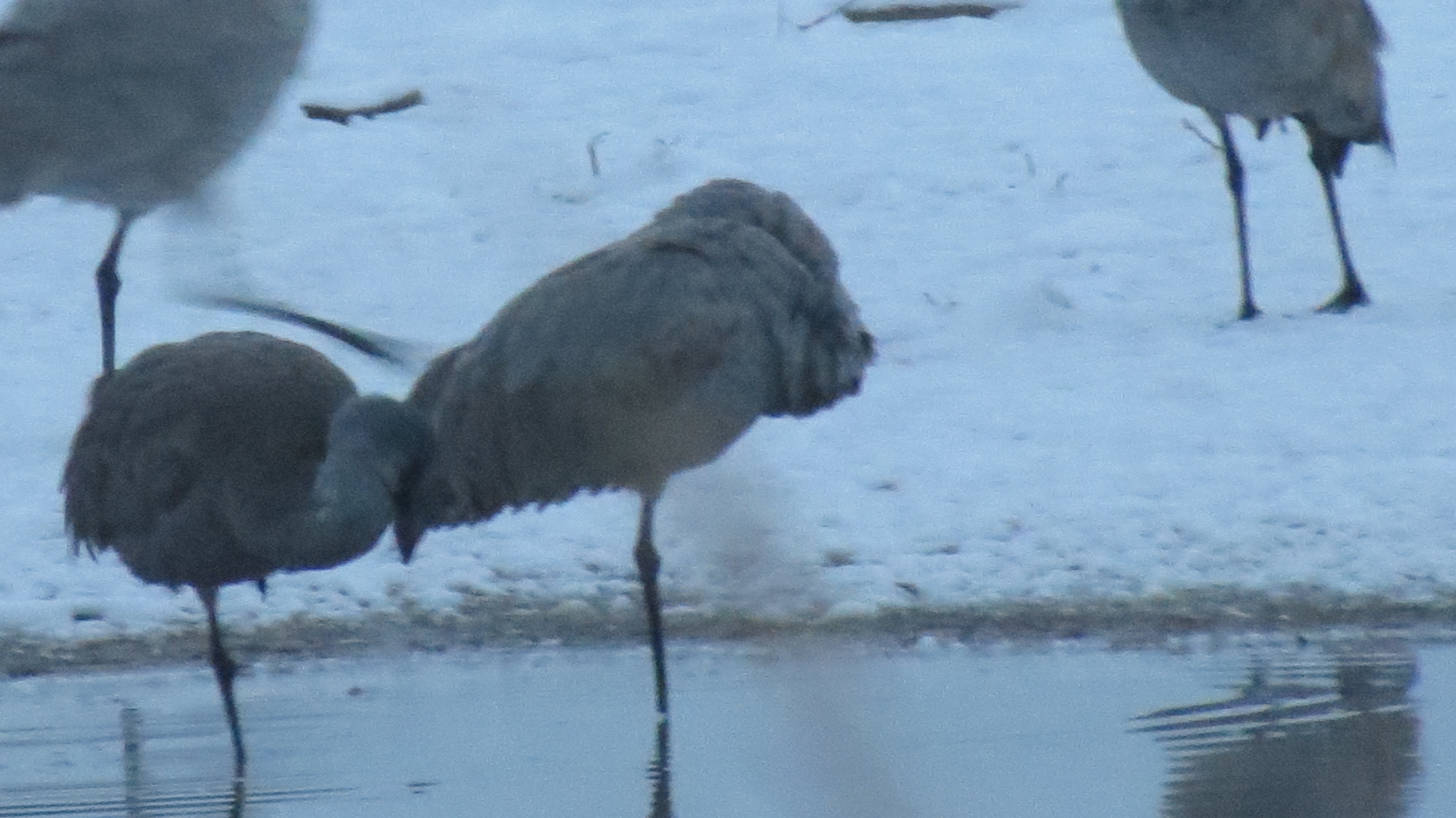
SLEEPING PAIR OF CRANES

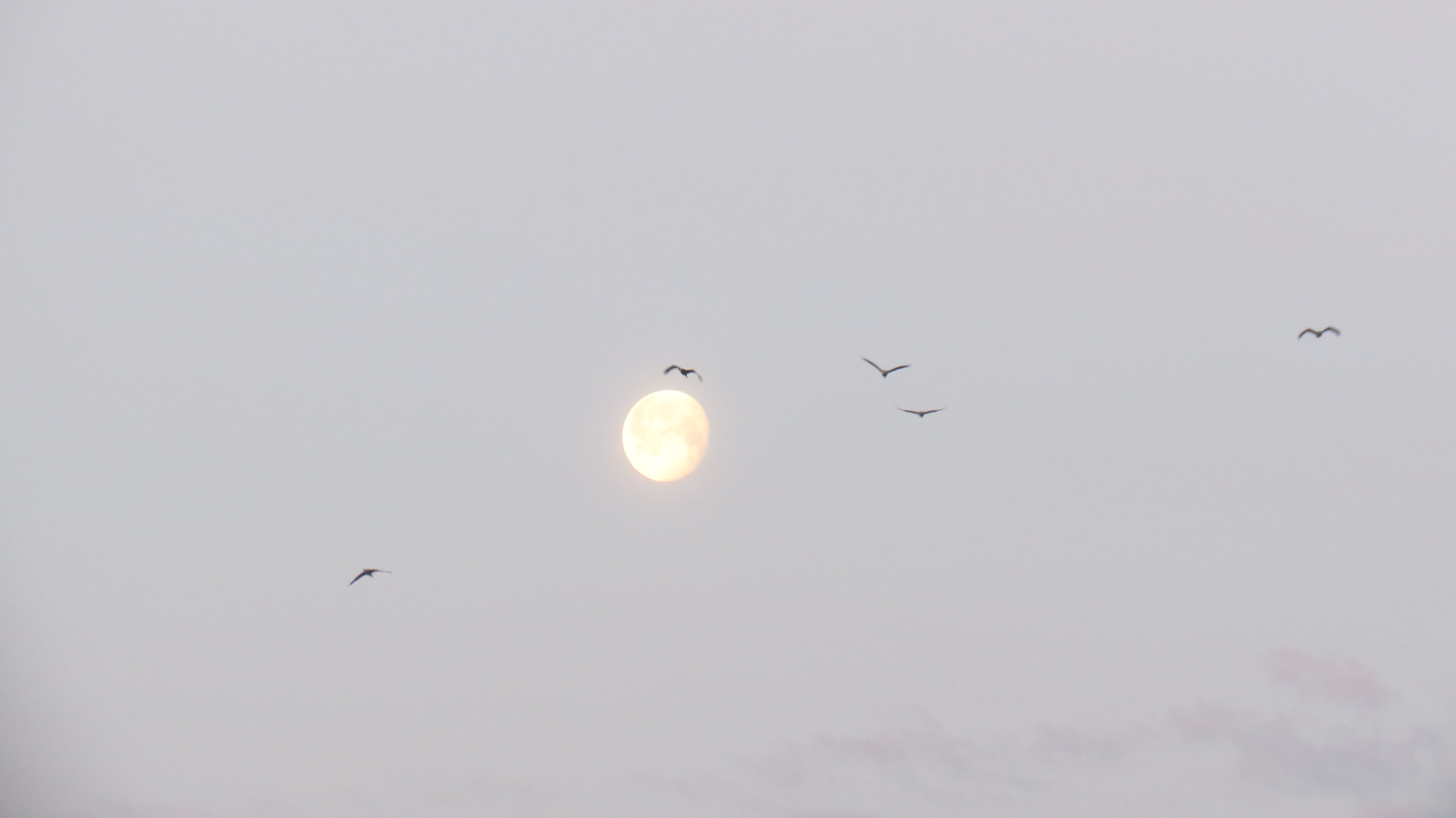
CRANE MOON

As I became a birder looker-upper after first being a star looker-upper, some birders come to my star parties after first being a bird looker-upper. They wonder how I know the night sky so well.  I wonder how they know the birds so well.  We all laugh.  We are all learning from each other, fellow looker-uppers, trying to get answers to questions we have about what is out there, what it is, why it is, who and why we are.

What I have learned about my fellow looker-uppers is that each of us finds our own faith in the sky.  Each of us has called the sky “the heavens” at some time.  None of us really knows what lies beyond, but we are all curious.  I don’t think there is a one of us who looks at the Sandhill Crane migration, Orion, Saturn, the rising of the full Moon, a Vermilion Flycatcher or a yellow-headed Blackbird

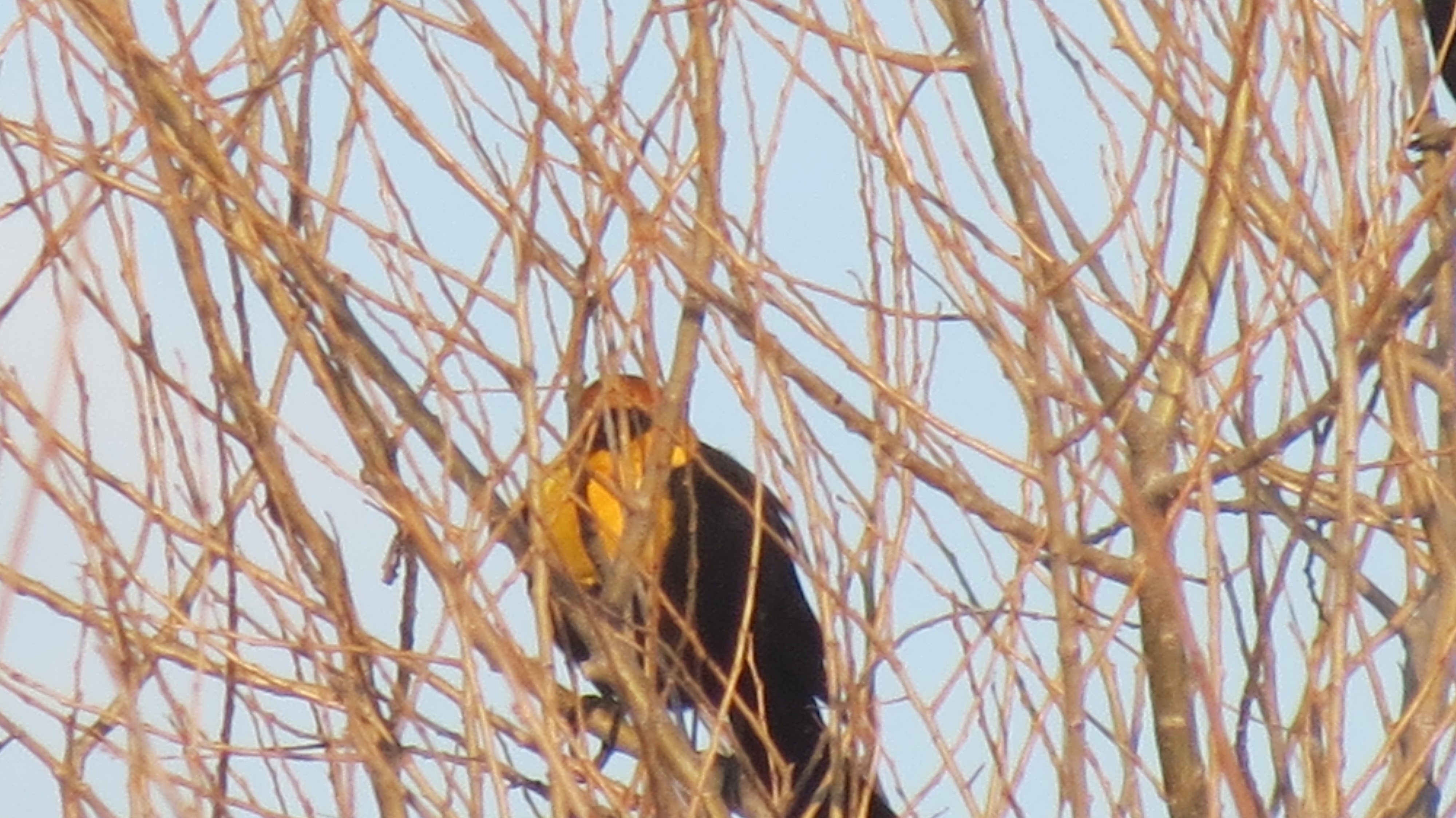
YELLOW-HEADED BLACKBIRD

YELLOW-HEADED BLACKBIRD

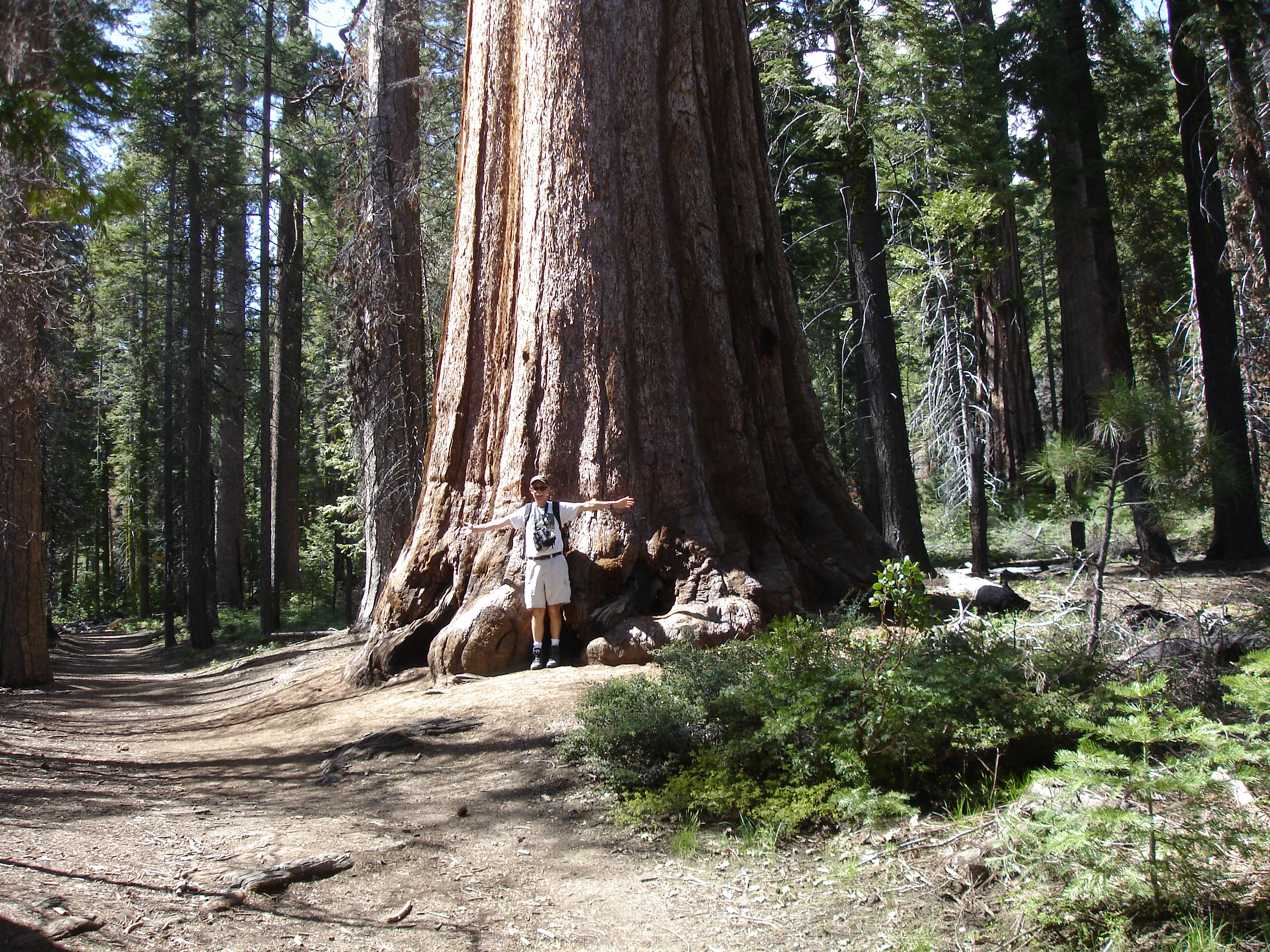
, a towering cumulonimbus, or a 2000 year-old Sequoia

STANDING BY A SEQUOIA, MARIPOSA GROVE, YOSEMITE NP.

STANDING BY A SEQUOIA, MARIPOSA GROVE, YOSEMITE NP.

without being filled with a sense of wonder.  I’m a deeply spiritual person, and a fellow looker-upper helped me discover that fact.

That same person, a wise man, a good friend, a fellow looker-upper, and a devout Christian, recently told me, “There are no atheists in foxholes and no atheists who watch cranes.”

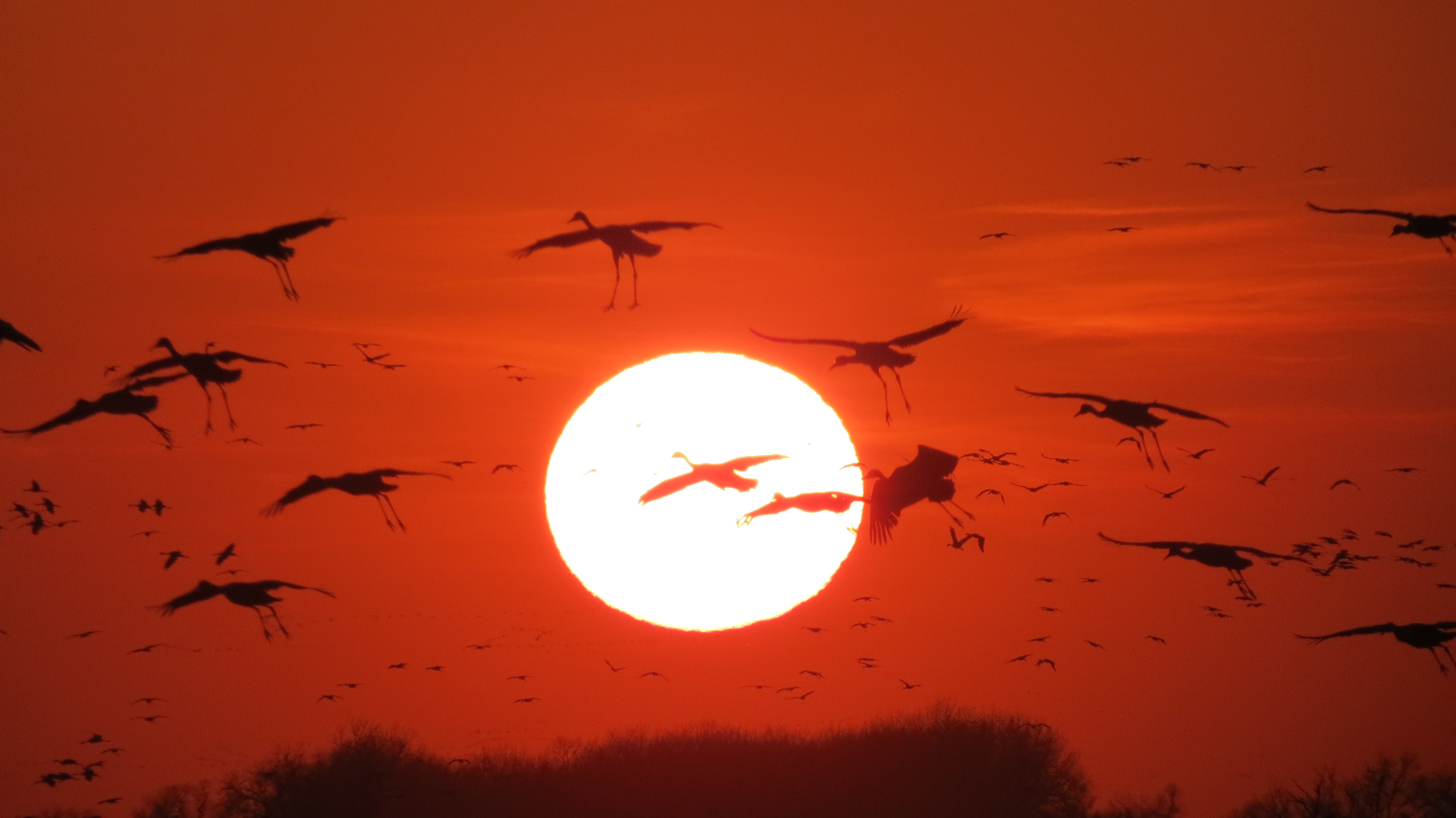
CRANES LANDING AT SUNSET, 2012

CRANES LANDING AT SUNSET, 2012

Judging by how often I hear “Oh my God, they are beautiful,” when I take people to the viewing blinds, I think he is right.


CRANES LANDING AT SUNSET, FROM STEVIE’S BLIND

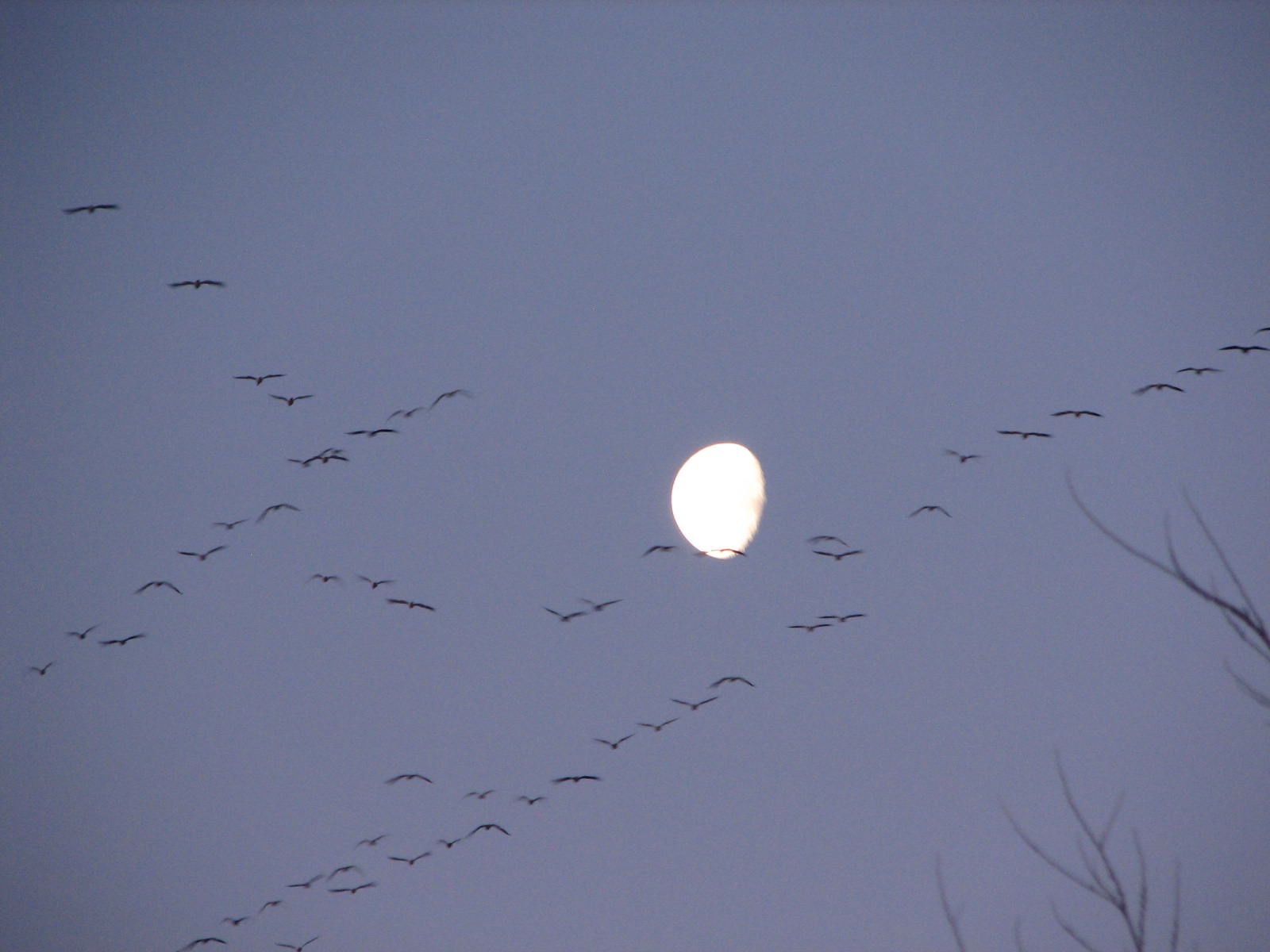
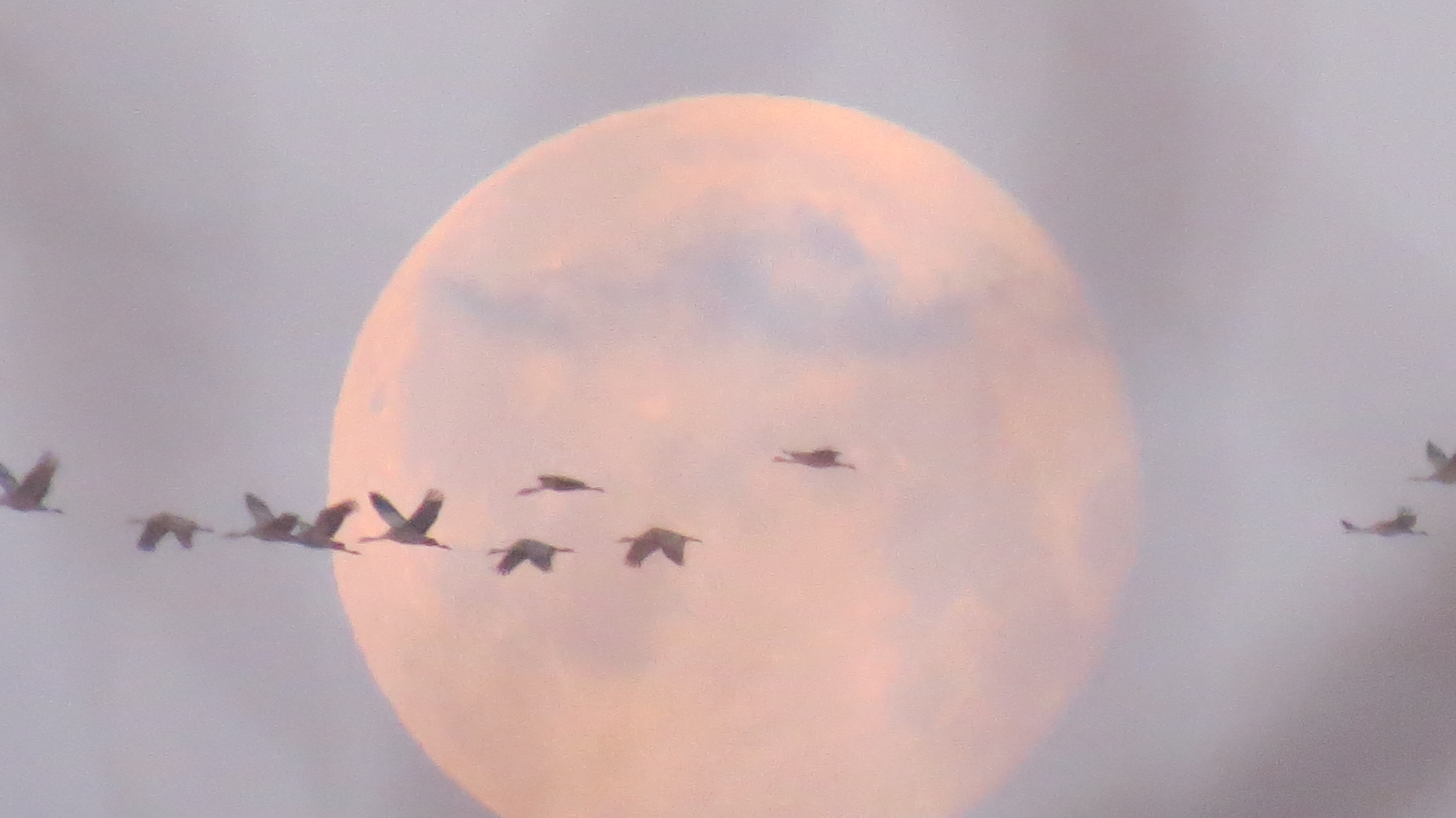
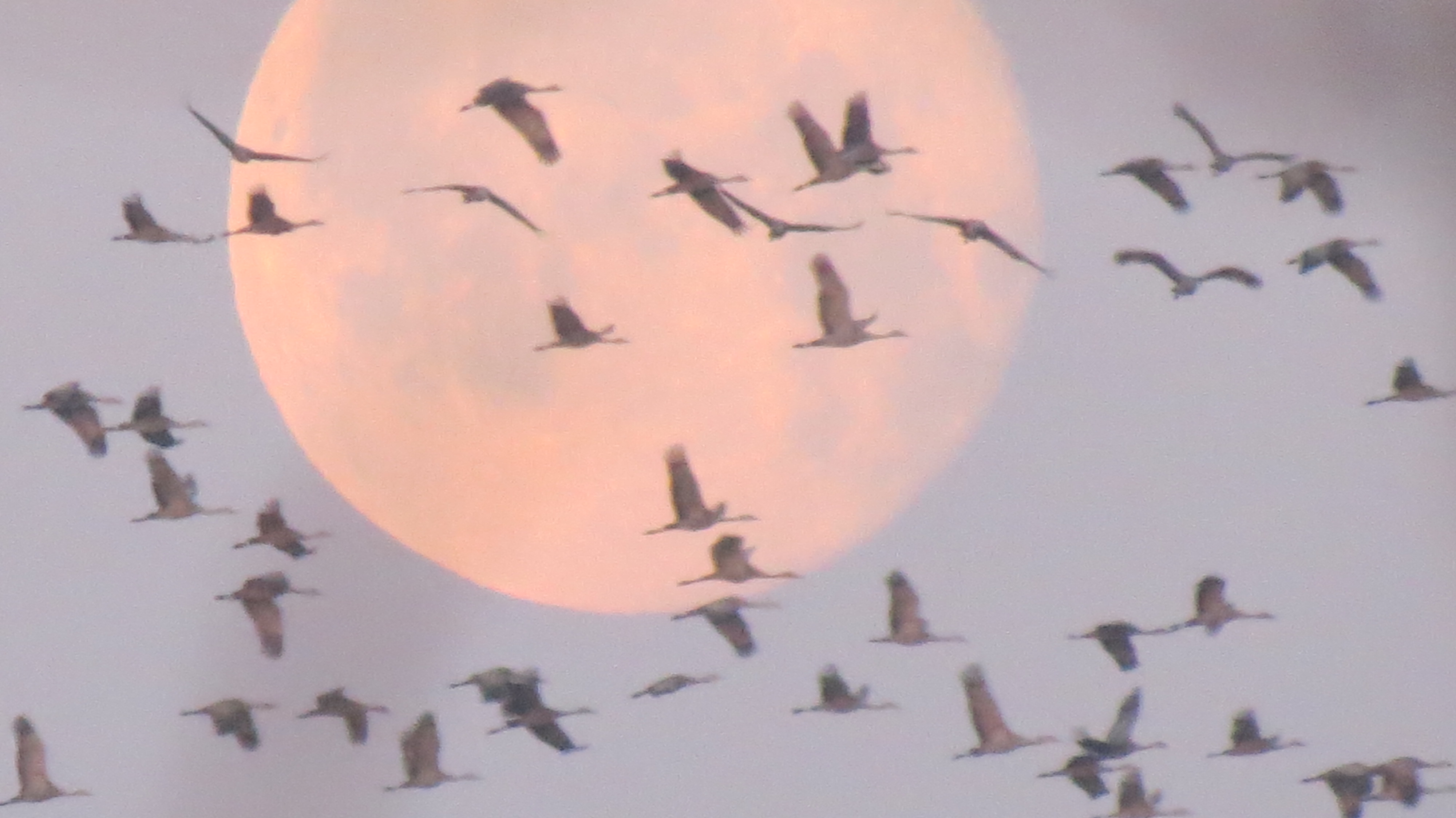
CRANES OVER FULL MOON, ROWE, 2013

CRANES OVER FULL MOON, ROWE, 2013IMG_2918