Archive for August, 2014

BE AFRAID; BE VERY AFRAID

August 26, 2014

“Tanks at the Ukrainian Border.  World War III?” was posted, and I just shook my head.  Today, it was “Hamas style tunnels going under the Mexican-US border.”  There is so much fear out there, I wonder why only 7% of Americans have served in the military.  It sounds like we all ought to be conscripted, for terrorists appear to be everywhere.

We have become a nation of fear, afraid of the boogeyman, who will bring nuclear weapons across the southern border, infect the country with Ebola, blow up our nuclear plants, abduct thousands of children a year, drive millions of Americans out of work, raise a black flag over the White House, take over our land, allow Russia to run unchecked, ISIS to control the whole Middle East, Iran to have nuclear weapons, which they will use on Israel, and Texas targeted by North Korea (which it actually was, although the missile blew up shortly after launch and didn’t have the range).  Every time Mr. Obama speaks, people buy guns to add to the 310 million in the country, yet if any gun has been taken away illegally by the Feds, I have yet to see credible evidence.  How many guns do we need in this country?  A half billion?  A billion?  Ten billion?  A trillion?  Is there a top number?

The President has created fewer national monuments than his predecessors, yet the Organ Mountain Monument was a “federal land grab.”  I AM the federal government.  ALL OF US are.  I LIKED the monument.  I DON’T LIKE people’s grazing cattle on federal land for free, then calling for people to fighting against “them.”  I AM THEM.  I don’t eat meat, and I pay land use fees.

Make no doubt: inciting fear wins elections.  George W. Bush won in 2004 by campaigning on fear, when most Americans still believed 9/11 was caused by Saddam Hussein. Perhaps most of Americans still do believe it.  Iraq kept Bush in power, until the war became costly, “dead enders” were very much alive, and more Americans came home permanently maimed or in body bags.  Congress changed; the response to Hurricane Katrina, which was scary, was a contributing cause.  Who but the federal government would have rebuilt New Orleans, or Joplin?  We saw what happened without a decent FEMA in 2005 and with a decent FEMA in 2012.

I have fears, but nothing on the above list.  Almost anything is possible, but I can think of a many things that would easily wreak havoc in this country that nobody has mentioned; I won’t mention them here, except for rolling back safety nets.  Get rid of Medicare, Social Security, food and water inspections, and we will be the newest member of the Third World.  I find that scary.  We know enough about Ebola and other infectious diseases that we bring our living soldiers in the infection war home alive to be treated.  I can understand one’s wanting to have the body of a loved one returned home; to decry bringing a living infected body home for treatment is a contradiction.  The probability of a child’s dying from a motor vehicle accident is over 10 times that of their being abducted by a stranger, yet I see no ads for strong enforcement of child safety restraints in cars.  Scary news sells.  In 1979, during the Iran crisis, the media showed screaming protesters outside the embassy.  A block away, all was quiet.  

Muslims in America are not about to take over the country, except maybe in mathematics, where Dr. Mirzakhani, a 37 year-old Iranian citizen, full professor at Stanford (at 31), won the prestigious Fields Medal in mathematics.  Our high schools are full of students who can’t do basic division, don’t know their multiplication tables or how to write an English sentence, let alone cursively,  have no idea where Canada is, let alone Iran.  I fear ignorance.  We don’t teach critical thinking, so people are easily swayed by rumors deliberately fomented by good-looking people, nice sounding “news” outlets.  Ten children families scare me. We are straining our resources and our space.  I hear no, and I mean no, comments about that.

Russia will do what it wishes, and there is not much we can do about it.  The world has changed; American troops are not the answer to problems that can be created by a few thousand people using complex armaments supplied them by developed nations (like us).  As I write this, I am flying in an aircraft over a foreign country, but I’m not worried about being blown out of the sky.  The very notion of war continues to change. 

ISIS is controlling land, but radical Islam, Christianity, and Judaism, scare me more, especially Christianity’s influence here.  If people want to pray, fine. It is scary—and insulting— when a Congressman sends a Bible, a book with hundreds of contradictions and false interpretations, to other Congressmen. The constant use of “God” and “prayer” in speeches scares me, rather than offering ideas open to modification.  God sells here; ideas that take time to articulate are ignored. “Just give me the bottom line” is one of the scariest phrases I hear.  Major problems, like immigration, public education and the national debt, can’t be summarized in 30 seconds.

I do not know whether Iran will develop nuclear weapons.  Pakistan has them, and yes, that is scary.  So is the environmental catastrophe about to engulf China, in the name of our “requiring” a completely unsustainable 10% annual growth.  That statement is on a par with “the stock market always goes up,” based on 60 years of data. What scares me is that we in the US will do nothing about climate change, despite 650,000 years of data, until nature gives us—and forgive the term:  a “come to Jesus” moment.  

I am not scared of illegal immigration.  I am scared of drug runners, who will bypass any fence we can build, but I worry less about being shot by them than being in the wrong place at the wrong time in my city.  I am more scared that we are trying to take in much of the world.  I am not scared that Spanish will become a second language; I am more scared that Americans are not working to become fluent in another language—any language.  I am not worried that the dollar will no longer be the reserve currency in the world, but German’s becoming the lingua franca in central Europe ought to give us pause, along with the oft-cloudy nation’s out-producing us in solar power.  The world likes a lot about America, when they stop laughing at us long enough to look.

It’s time to cool it on “disaster is right around the corner,” or “We’re Number One.”  We aren’t.  If one believes all is Obama’s fault, then run for office.  If the opponents win, I give them 90 days to fix everything, since they believe the world is simple. More helpful would be quietly working to improve justice in the world, addressing population control, and dealing with climate change.  There are a few others I would throw in, but the current attention span is limited until the next tweet or upcoming disaster posted on Facebook.  Messenger is probably beeping right now, so I  better go.
HENLINE

August 8, 2014

My wife thought I shouldn’t drive her to the airport; she would take the 5:30 a.m.shuttle instead.  I offered, because she could sleep longer and then sleep in the car.  She countered that she could sleep in the shuttle.  I took her anyway.

I was just rationalizing my desire to climb Mt. Henline in the Opal Creek Wilderness.

Coming back from the airport, I would go through Salem and detour to the southeast, eventually reaching the trailhead.  I had this trip planned as soon as I knew she was flying out of Portland.  I would enter the Opal Creek Wilderness, about 32 square miles, one of the nearly 700 wilderness areas that comprise about 5% of the US.  Call me selfish, but this was a place I wanted to hike, and coming back from Portland made it easier.

Only six states have no wilderness.  I’ve been in the largest, the Noatak-Gates of the Arctic contiguous wilderness, about 10,000 square miles, a tad smaller than Massachusetts. Imagine, Massachusetts with no cities, no roads, and no people, except for transient visitors.

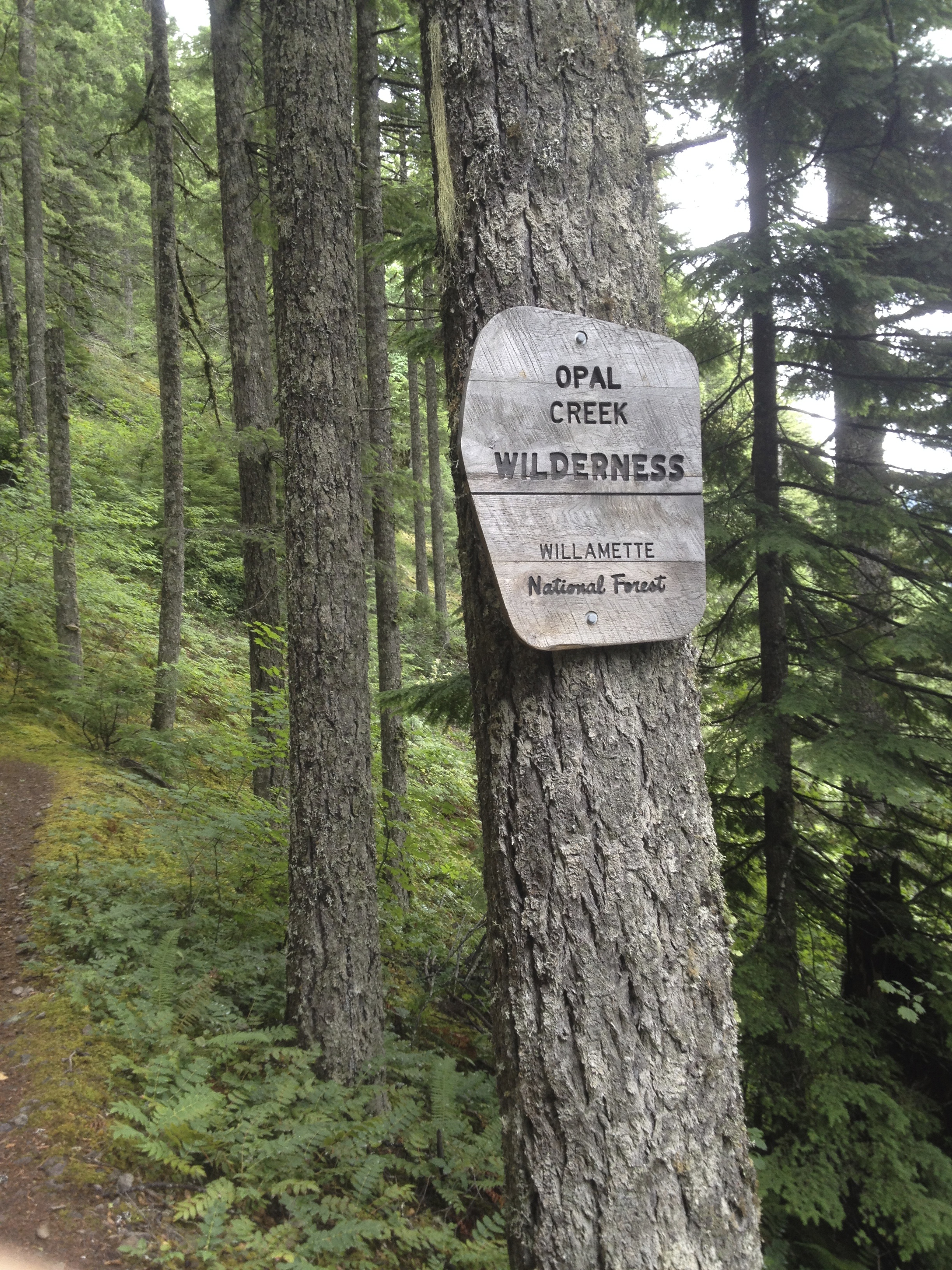
Opal Creek is sacred ground.  The largest uncut forest in Oregon is here.  It was saved from the chain saws and the lumber mills, and it has only three trailheads from the road.  I took the one up the mountain, now my fourth of the 49 wilderness areas in Oregon I’ve visited in my four months here:  Cummins Creek, Three Sisters, and Mt. Jefferson are the others.  I have a lot of places to see.

Wilderness is not off limits to people, but mechanized travel and chain saws are not allowed.  I spent a summer volunteering in the Boundary Waters Canoe Area Wilderness, and every bit of sawing we did was with a two man.  If the national parks are the crown jewels of the nation, which I think they are, the wilderness areas are kept in a safety deposit box.  If one is lucky, a key is made available for one to enter these areas.  Such areas may be busy, as is the Boundary Waters in August.

Henline, however, had nobody.  I was alone.

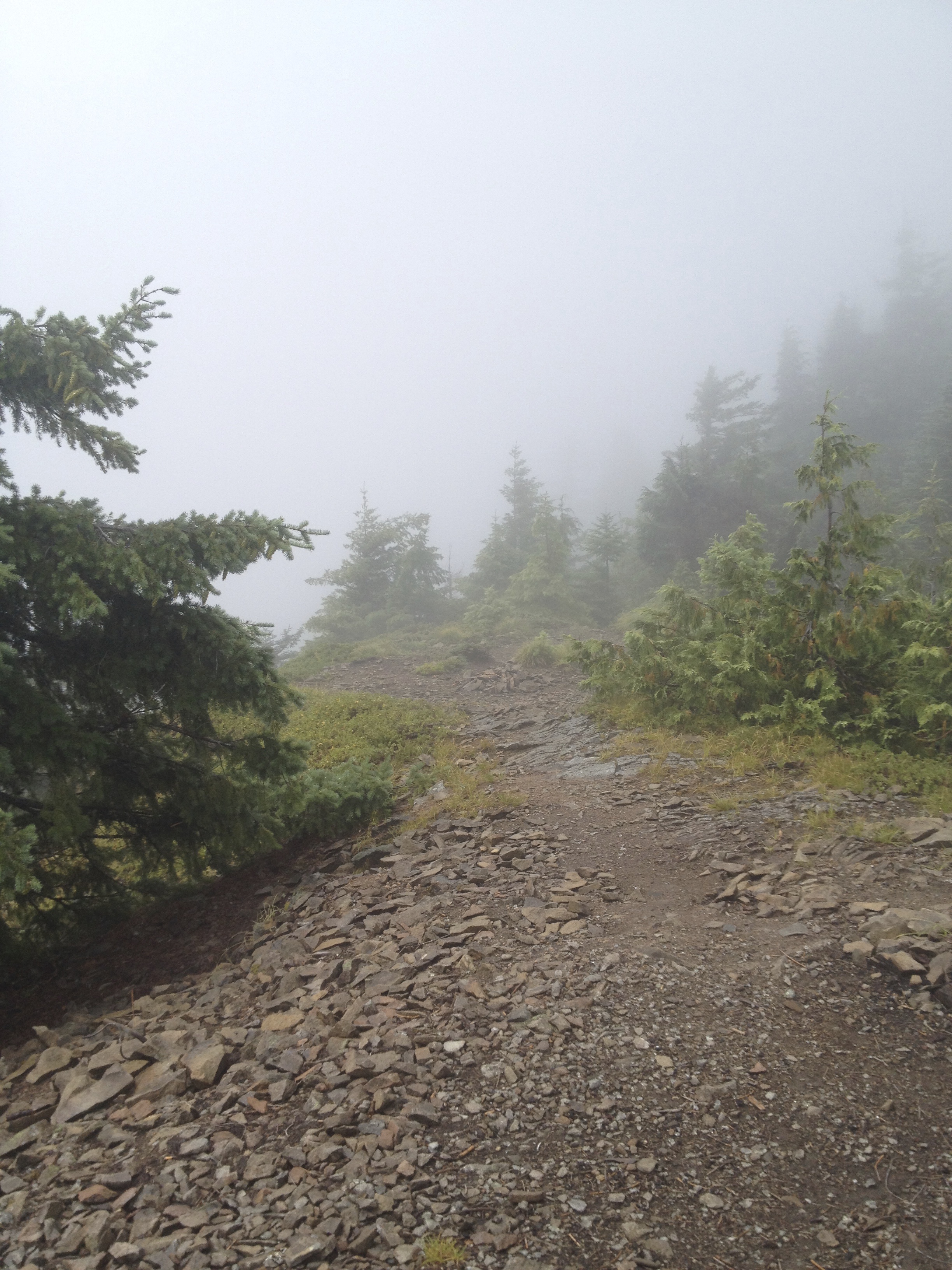
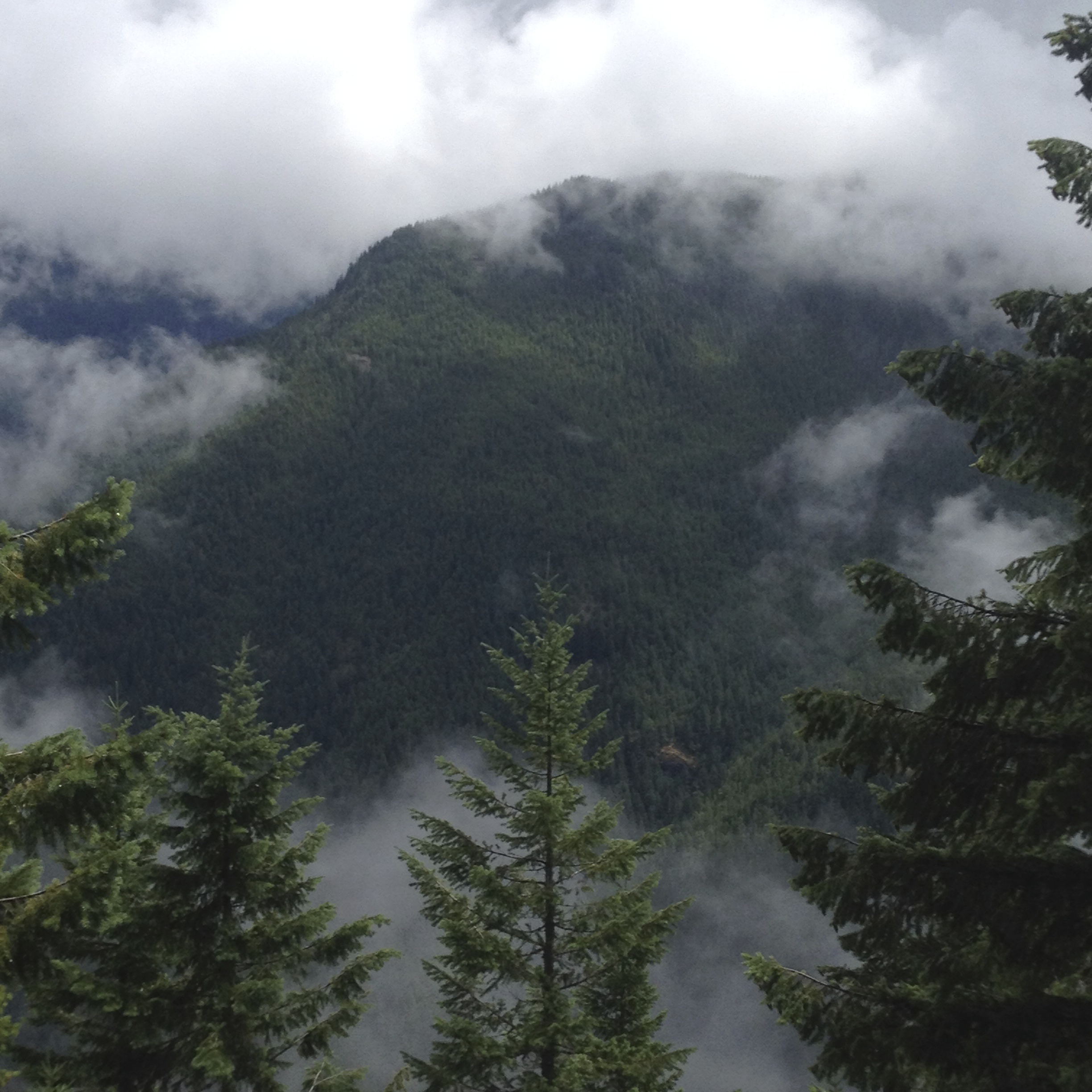
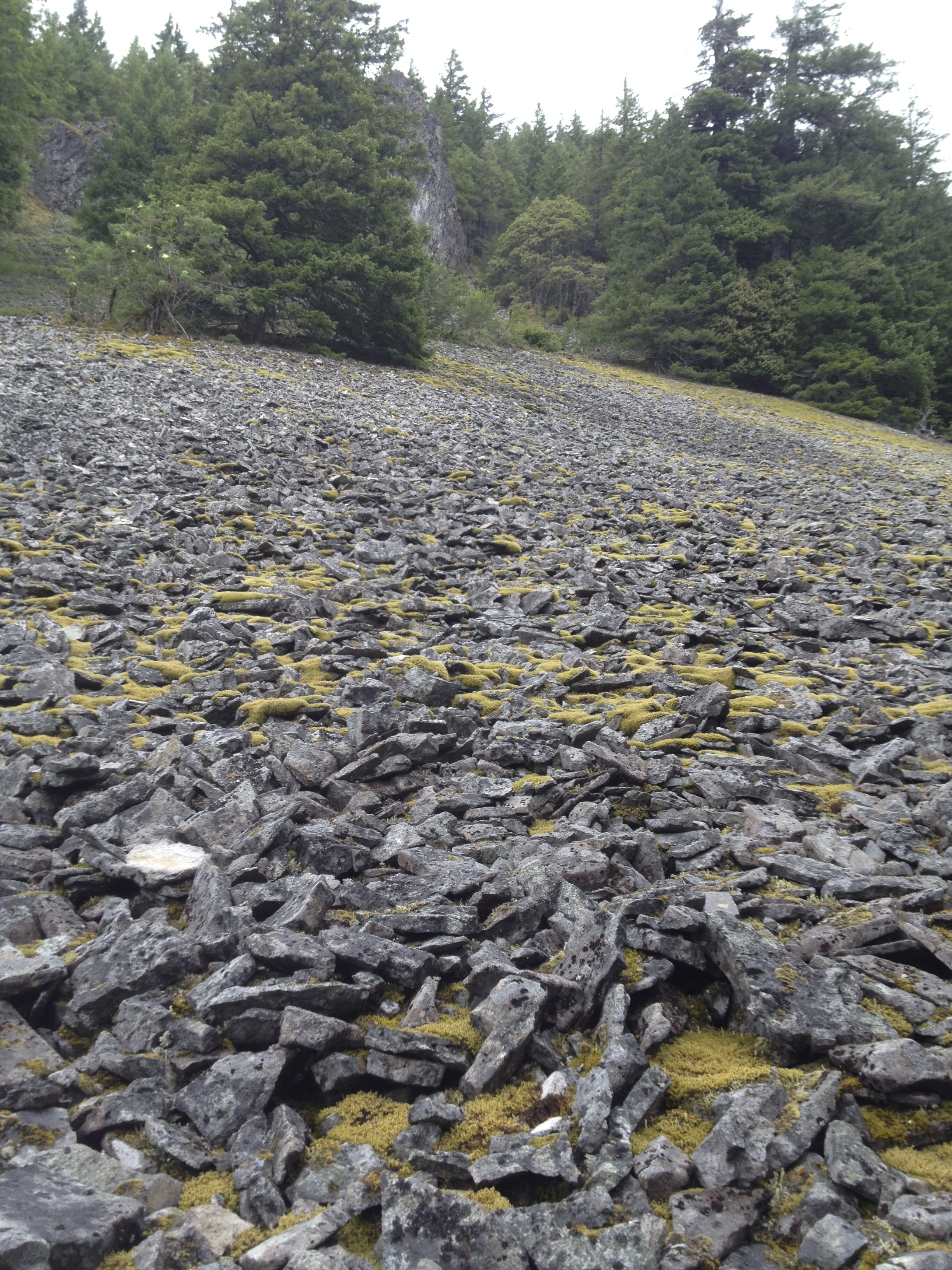
I started up the trail in a true natural forest, quickly becoming wet from sweat and fog, from the prior two days’ rain.  I climbed 850 feet per mile for the first two miles.  Fortunately, the trail was good, except for some rock slides I crossed.  I could hear rocks fall occasionally, witness to the nature’s constant change, slow but continuous.  At the top of the main climb was where an old lookout once stood.  Through breaks in the fog, I could see forest:  uncut forest, forest the way it once was, and still ought to be in many places.  Yes, logging creates jobs, but now one person can do the work that many others used to have to do.  Trees create paper, which we waste on things like false financial statements that almost brought down the world.


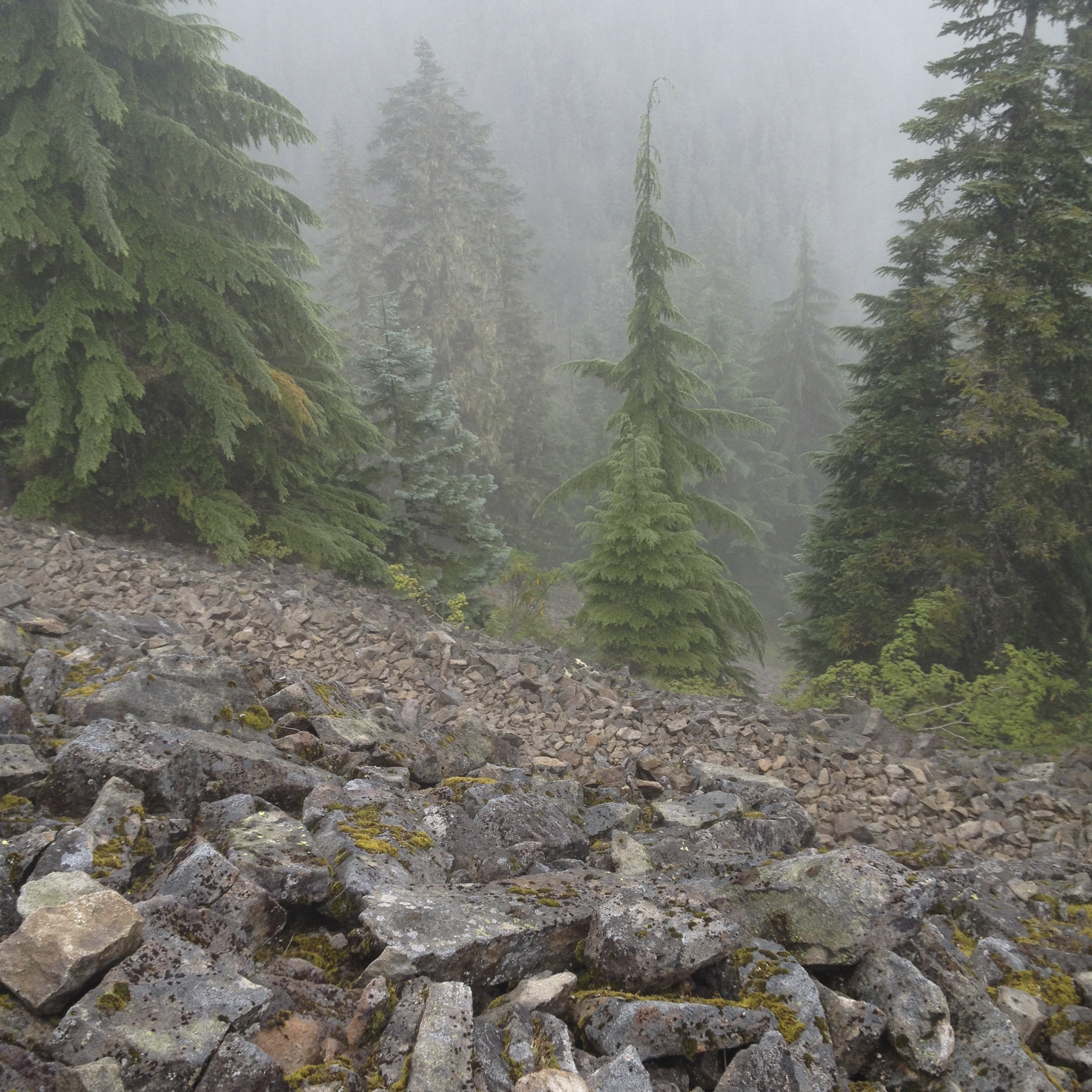
Rockpile in fog

Rockpile in fog

But I wasn’t having those thoughts.  I was thinking how alone I was.  No, today I would not have a view of the Cascades.  I didn’t need one.  In fog, I felt part of the place, part of the forest, part of the world I inhabited for the day only. I felt like I belonged.  I heard no cars, saw nobody, and imagined what it must have been like for the pioneers trying to get through this forest, in valleys where rivers ran unchecked, from the Cascades to the tidewater flats at the ocean, rivers called Santiam, Alsea, Siuslaw, Umpqua, and Rogue.

The summit was about another mile from the lookout, and Sullivan’s book mentioned it had no views.  Well, no views, no matter.  I was going anyway.  The trail went up and down, and some of the areas along a knife-like ridge were a little hairy.  Fall here, and nobody is going to find you for a while.  I’ve thought of that a lot at Cummins Creek.  Go into the middle of that place, and you are going to be where nobody has been in a long, long time.  Everybody would do well to have that experience from time to time.  It changes one’s perspective.

Trail in fog.

Trail in fog.

The summit was where the trail stopped.  I walked around it a little while and then returned to the former lookout, where I had lunch.  I just sat there, thinking.  I didn’t think about much, just fiddled around and did the things one does in the wilderness.  Finally, I decided it was time to leave, so I went down the trail, carefully negotiating the rock slides, to the car.  Leaving no litter and no trace was turning the key back in to Mother Nature, so the safety deposit box was locked.  There would be other visitors tomorrow or the next day, for sure; the trail had been well used.  Go into places like Cummins Creek, however, and one finds places where the trail is not very evident.  That’s good. I’d like to camp there some time.  It’d be quiet.

I eventually drove back out to the freeway and home.  I felt a little special.  Nobody on the road likely had any idea what I had done today.  I had gone into a wilderness area.  Other than a few footprints, nobody knew I was there.

This doesn’t happen every day.  Shame it doesn’t.


View from ridge

View from ridge

One of many rockfalls

One of many rockfalls

Simple sign for a special place

Simple sign for a special place

WHEN AGE DOES AND DOESN’T MATTER

August 3, 2014

“Hardesty Hardcore,” intrigued me: an annual loop race through 3 trails in the Cascade foothills, open to anybody, with a 4 hour time cut off.  The route is 14 miles and begins with a 3000 foot climb in the first 4.5 miles.  I had hiked it once in the opposite direction, without hurrying,  in 5 hours, with a lunch stop. I thought I could do it in four, so I went out to try.  I am in good hiking shape, having hiked nearly 40 times in Oregon the past 4 months and frequently climbing well over a thousand feet, occasionally over two thousand.

I started by walking fast—too fast— becoming slightly short of breath and uncomfortable.  I slowed, and finished the initial climb in 1 hour 36 minutes.  That is pretty good for a guy my age, but at that pace I wasn’t going to finish in 4 hours, either.

I came down Eula Ridge, much steeper, so I had to watch my foot placement.  I finished that stretch two 2 hours and 45 minutes in, averaging 3.1 miles per hour, well below 3.5 mph I needed to average to make the cutoff.  The last 5.5 miles was on a trail between the two, but not at all flat; it climbed another 1000 feet, difficult on a humid day, when I had finished my water and food.  I got in just under 4 1/2 hours.

With cooler weather, an earlier start, a lighter pack, and running shoes for the last part, I might be able to make the cut.  But I don’t want to race.  I’m not sure I want to subject myself again to that stress, despite being in excellent hiking shape.  I am good but not great.  The fact that I can walk uphill on a 30% grade at 2.5 mph is nice, but I need to average 4 mph for this race, and I am not likely to do it:  I’m too old, but more importantly, it doesn’t matter.

When I was in my 30s, I got in a canoe, bound for lakes and portages I had never seen.  I camped in some of the most beautiful country imaginable, woke early, paddled hard the whole day, camped late.  I could carry pack and canoe together, and I never got sore.  Seeing the country mattered.

In my 40s, I did the same, the only difference being that I took anti-inflammatories before and after each day’s paddle.   For the first time, however, I had a neck problem, a pinched nerve, but that subsided, and I was able to continue.

In my 50s, I stopped carrying a canoe and a pack simultaneously.  I had nothing to prove and a lot I could hurt.  I started base camping, which I liked, but I still enjoyed seeing new territory.  I didn’t go as far as formerly, but I enjoyed practically every mile.


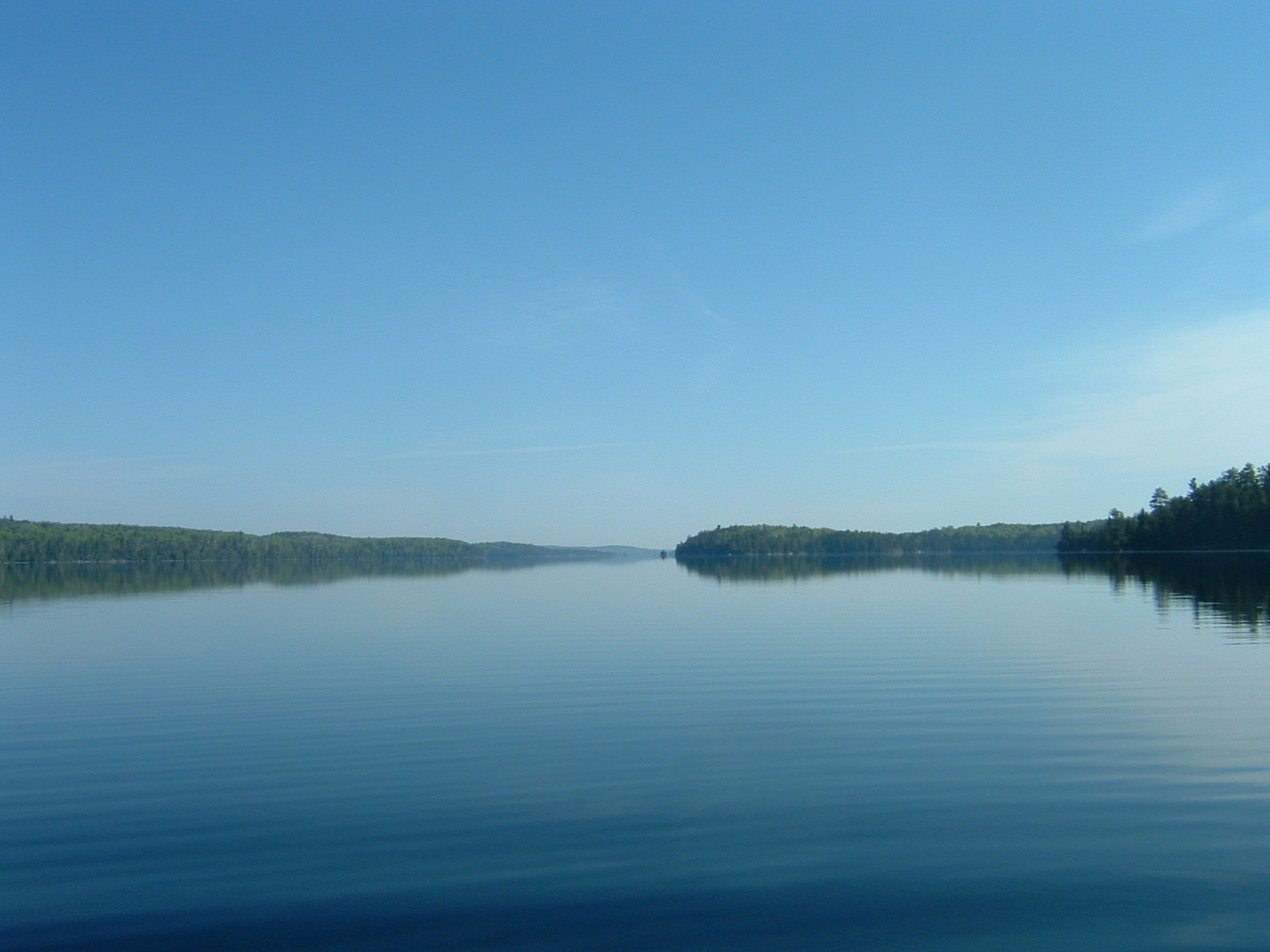
Agnes Lake, on my last trip into Kawnipi Lake, Quetico Provincial Park, 2005, age 56.

Agnes Lake, on my last trip into Kawnipi Lake, Quetico Provincial Park, 2005, age 56.  I have not been back.  I do not expect to see Kawnipi again.  It mattered that I saw it that year.  Agnes?  Seeing this picture makes me wonder….


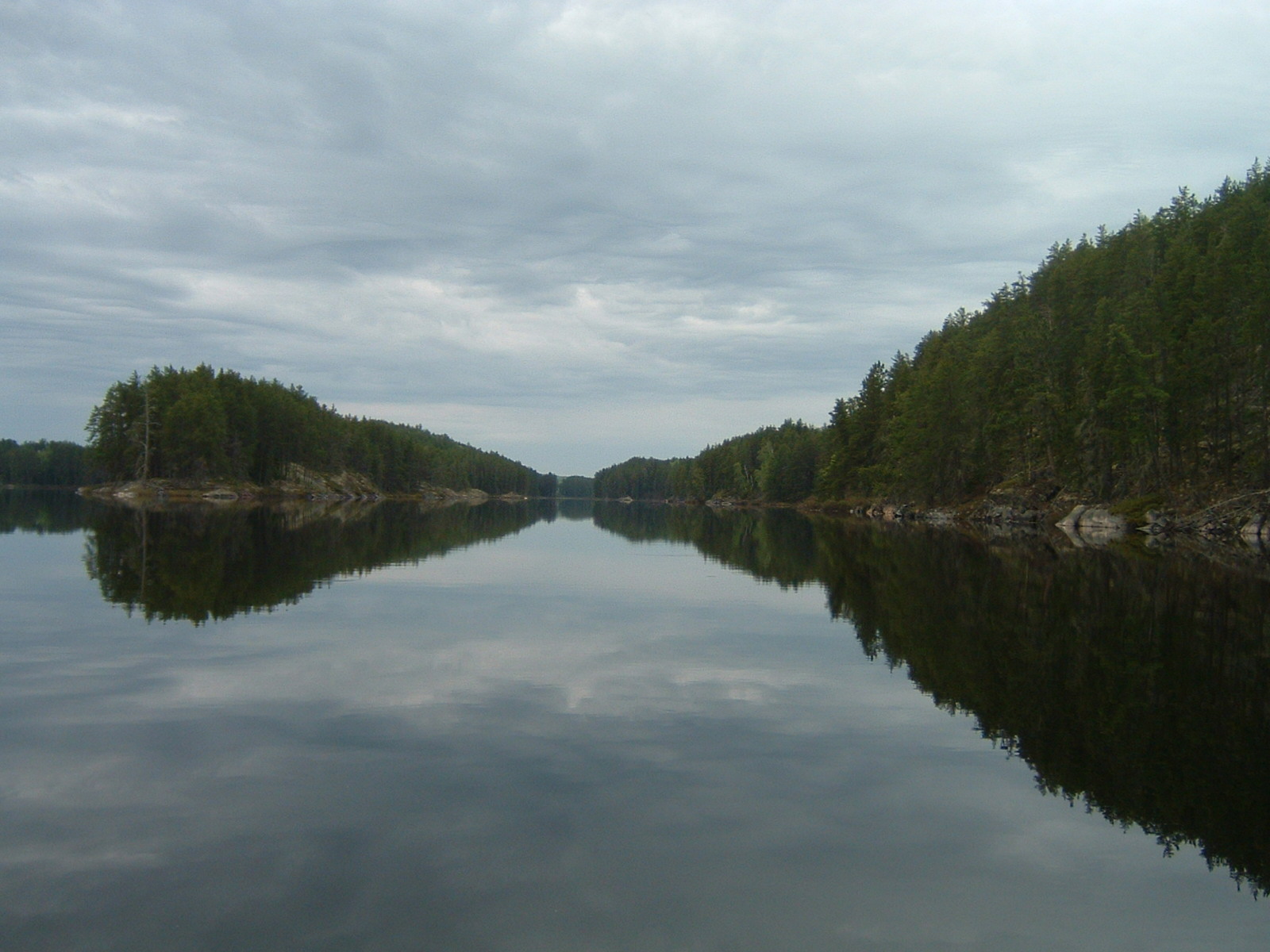
Kawnipi Lake, 2005.  The most beautiful lake in the Quetico to many people. I have been there six times.  That matters.

Kawnipi Lake, 2005. The most beautiful lake in the Quetico to many people. I have been there six times. That matters.


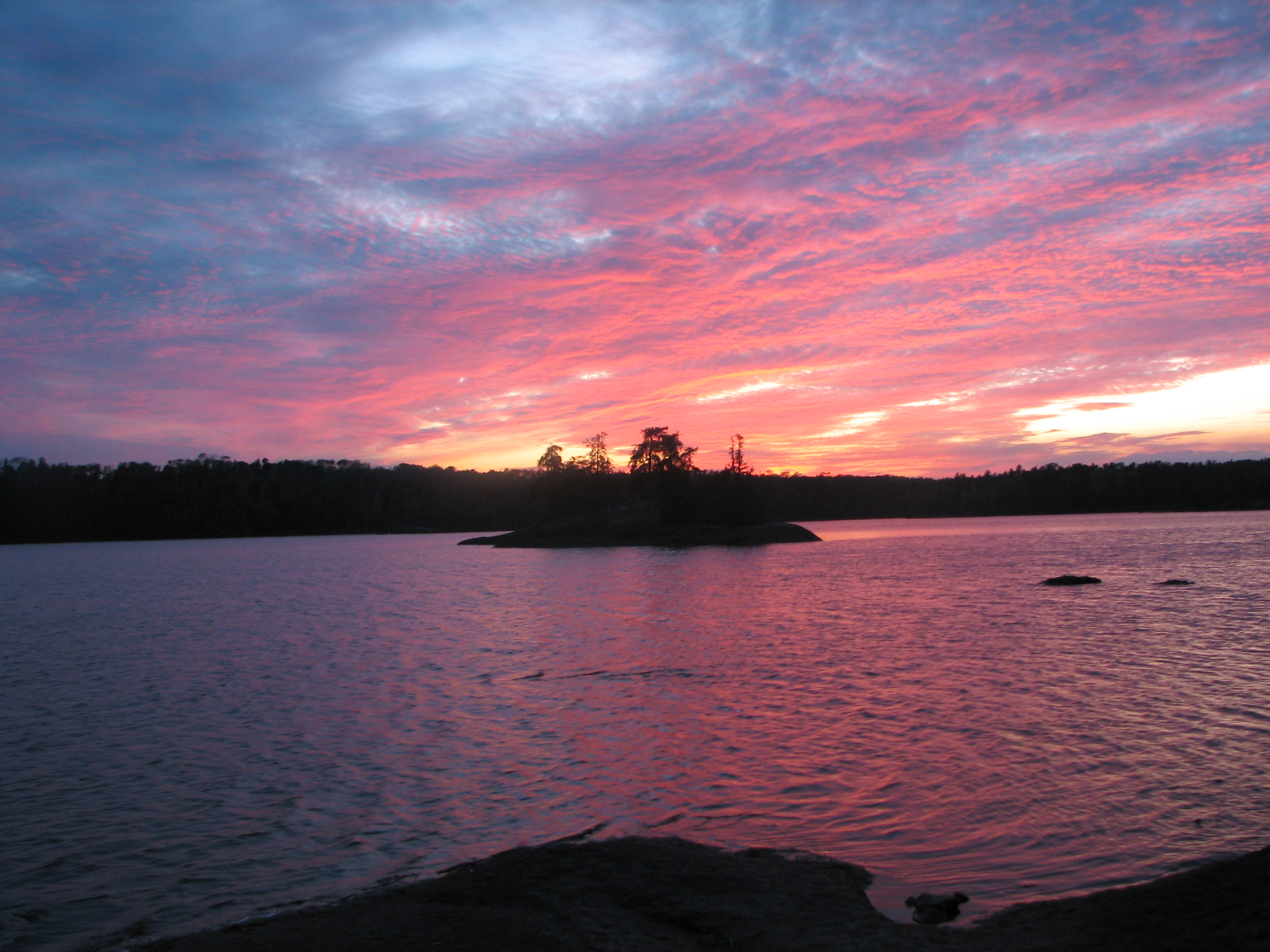
Lake Insula sunset.  Having spent more than 30 nights on this beautiful lake matters.

Lake Insula sunset. Having spent more than 30 nights on this beautiful lake matters.

In my 60s, things have changed.  Many tell me that age is a number.  Those people who do are always younger than I, where one believes that the world will continue unchanged.  I still can solo trip, but I do it and base camp.

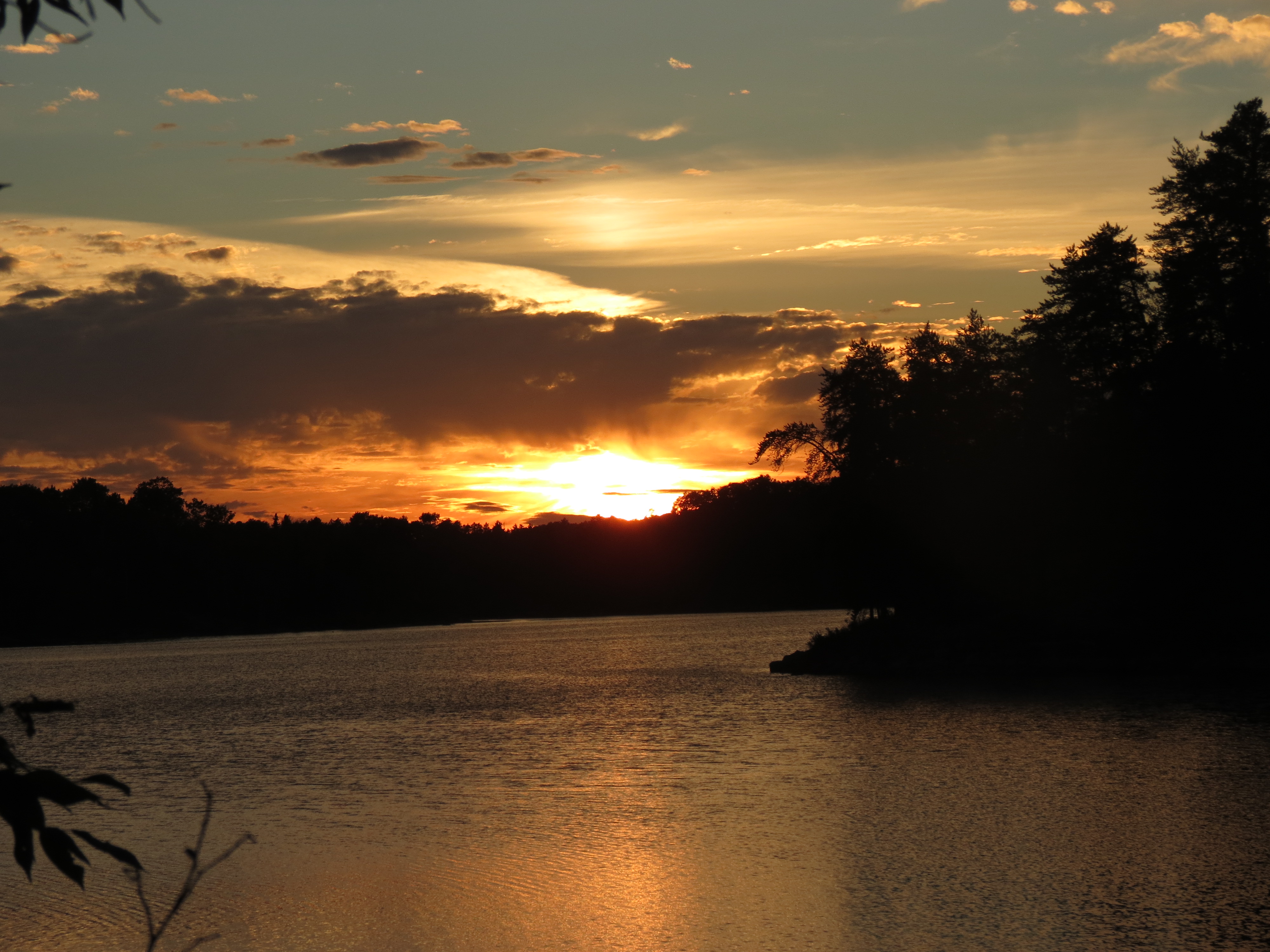
Sunset on my bay campsite, September 2013, solo.  Age 64.

Sunset on my bay campsite, September 2013, solo. Age 64.


I can make the miles if I have to, but I don’t feel the pressure to do so, either.  It doesn’t matter.  The year I turned 60, my wife and I aborted the first day’s paddle into Lake Insula, one we could normally do in 7 hours, where 40 year-olds we had spoken to said they needed three days.  We aborted the paddle in because of heavy rain.  We stopped, pitched the tent and stayed comfortable. Making Insula that day in 7 hours didn’t matter.  We made it easily the next day.  It was a great trip.

Twenty years earlier, I would have bulled on through.  Indeed, over our 25th wedding anniversary, we paddled 110 miles in 11 days with a day of rest.  One day, I portaged a canoe 15 times, a record for me.  Those trips mattered.

What will happen the next decade, if I make it that far?  I don’t know.  Perhaps the distance may stay the same, if my arms and legs are still working well, but I suspect it will decrease, and it won’t matter.  I still hope to be in the woods, away from people, enjoying the quiet, the Pileated Woodpecker’s crossing the lake by the campsite, loons, sunrise, sunset, and full Moon.

What about backpacking?  There, the clock ticks louder.  As I write this, I will soon leave for my sixth multi-day trip to the Brooks Range.  On my fifth, I carried 75 pounds with difficulty, but I did it.  I wasn’t sure I would do a sixth.  But then you see there was this trip offered to the Wulik Mountains in the far west Brooks, country I hadn’t seen, wonderful, wild country, and maybe I had one more trip in me after all.  Or two more, since I want to see ANWR’s Sheenjek’s River drainage.  Each year, backpacking requires more training.  Six weeks prior, I start carrying 25 pounds around the neighborhood, then 35, the 50, and finally 60.  This year, after hiking a lot more in spring, I started at 50 pounds, and I’ve carried that weight the past month.  I can comfortably walk 3 miles with it, essential if I want to complete the trip and enjoy it.  Ten years ago, I didn’t need to train.  Now I do.

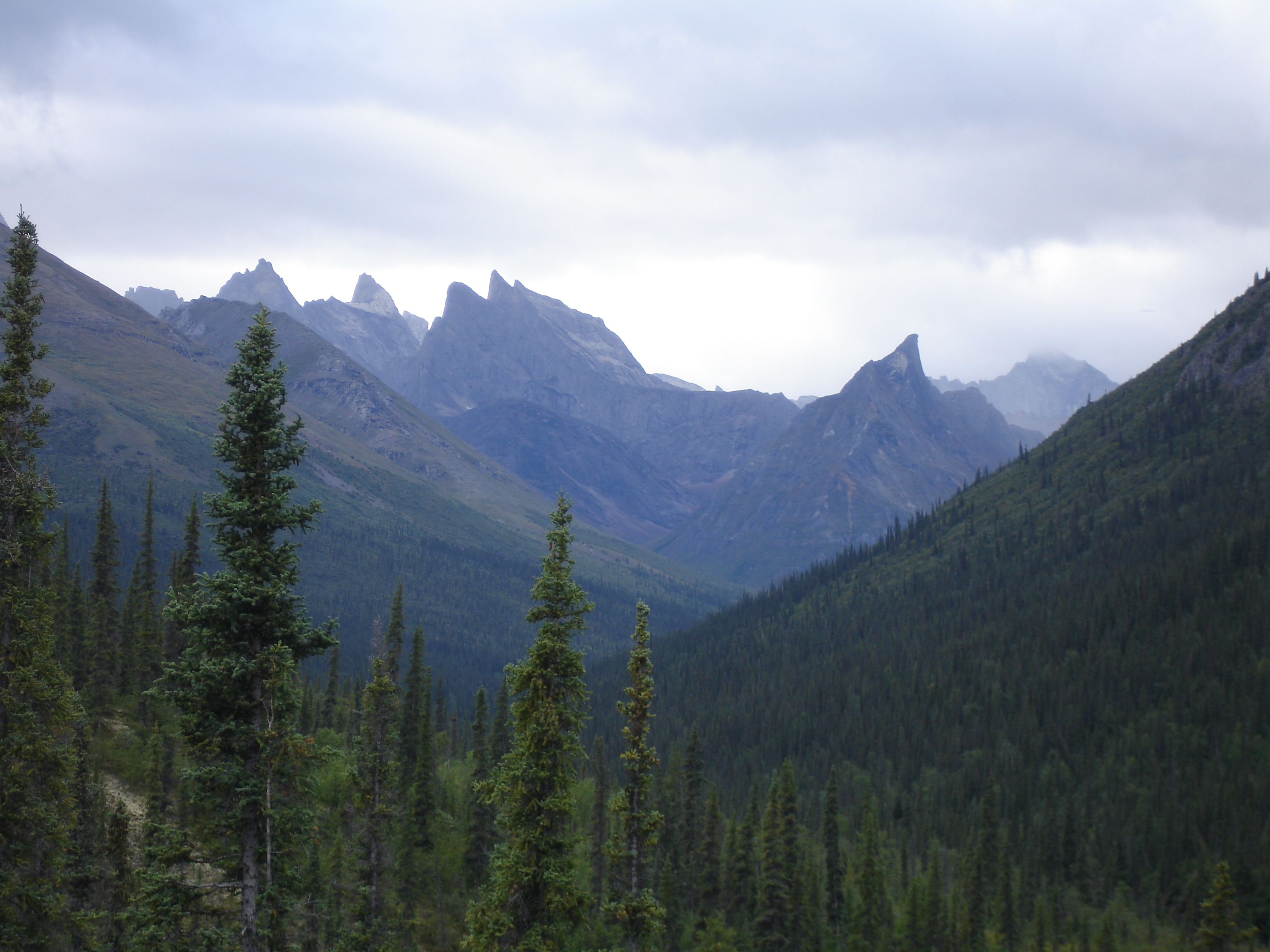
Arrigetch Peaks on my way out of the area, August 2007, age 58

Arrigetch Peaks on my way out of the area, August 2007, age 58.  It mattered that I see these peaks, which had fascinated me for decades.

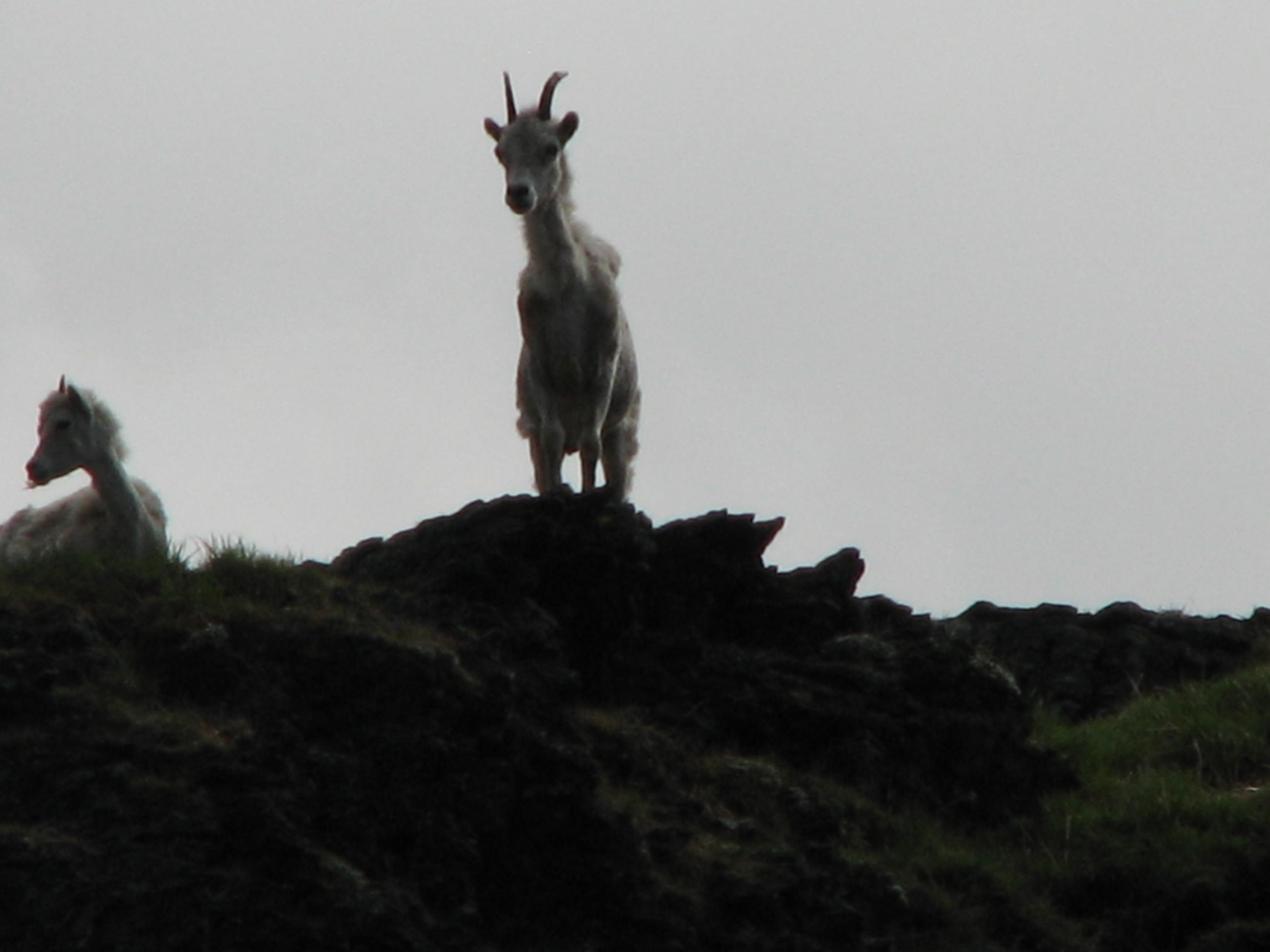
Dall Sheep, Aichilik River, ANWR, June, 2009.  Age 60. This afternoon mattered.

Dall Sheep, Aichilik River, ANWR, June, 2009. Age 60. This afternoon mattered.

Cubs, Noatak River campsite, August 2010, age 61. This day mattered

Cubs, Noatak River campsite, August 2010, age 61. This day mattered


Fording the Noatak, August 8, 2010. Age 61.  My guide said that day, "I hope I can do this when I am 61."  He was 51.

Fording the Noatak, August 8, 2010. Age 61. My guide said that day, “I hope I can do this when I am 61.” He was 51.

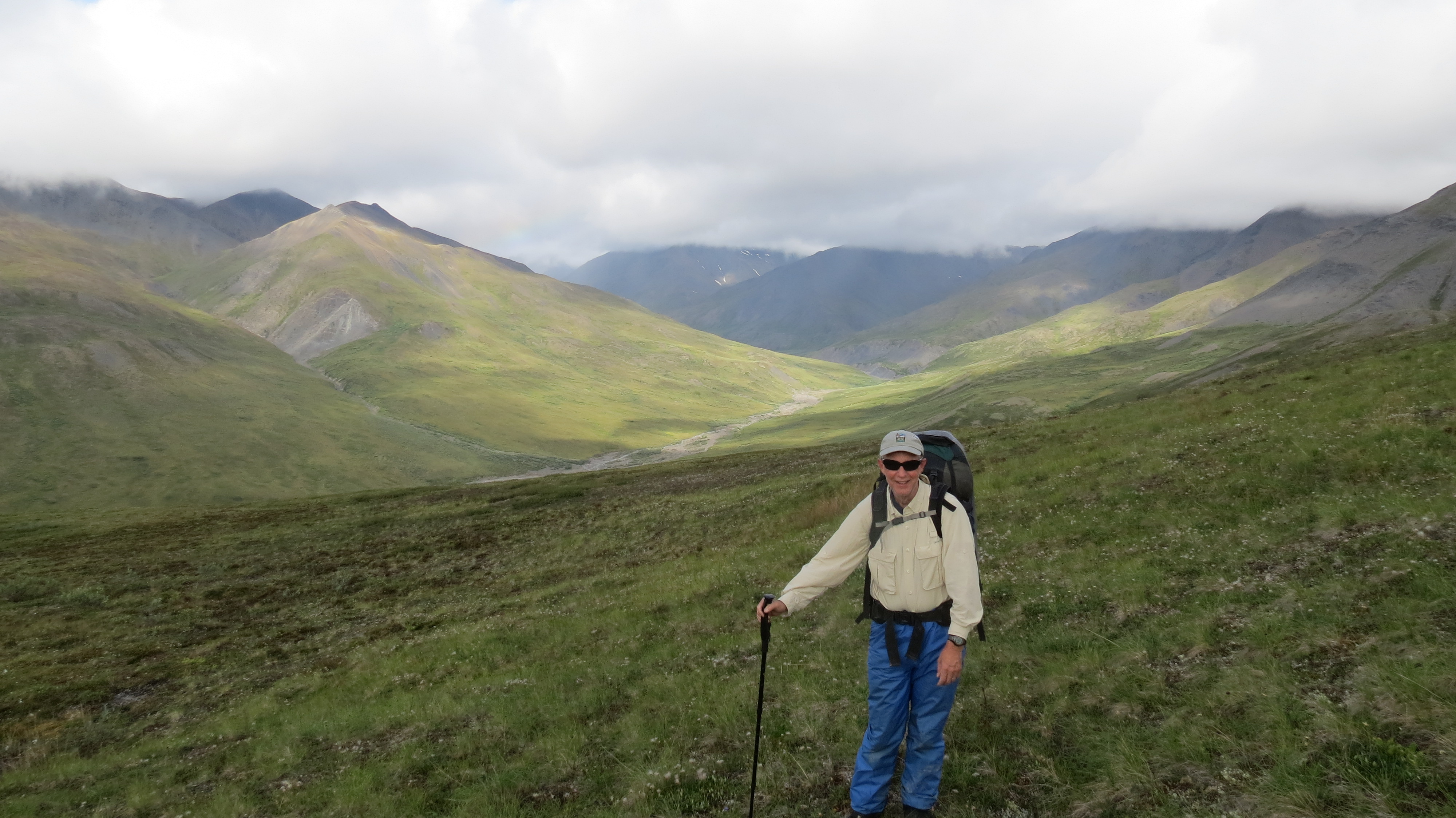
Gates of the Arctic, 2012, carrying 75 pounds.  This trip mattered. Age 63

Gates of the Arctic, 2012, carrying 75 pounds. This trip mattered. Age 63

My body isn’t betraying me, but changing, and my brain with its desires is fortunately changing, too.  I rely more upon experience than brute strength.  I read the weather well, pack dry in a pouring rain without leaving the tent, then striking the tent and quickly finish, putting the pack cover on a dry pack.  Alaska just is, with a lot of rain, mosquitoes and tussocks.  Fortunately, I know how to hike there.  That itself is probably worth 25 years of age.

My guess is that I will slow down in the next decade but will still enjoy what I do.  I look back fondly on the times when I was really good, especially the difficult trips, for that is what one remembers.  Age does matter.  I am grateful for what I can do, hope I will like it just as much during the coming changes, as I add more to my wonderful wilderness portfolio.

You see, I feel blessed.  Not a lot of guys my age can hike the Hardesty Loop.  I did it for time.  That’s pretty cool.  The fact I tried did matter.

It only hurt a little that night.