Archive for the ‘MY WRITING’ Category

MAMMOTH CAVE, 2013, MIDWEST ROAD TRIP TO GET MY HEAD BACK ON STRAIGHT

May 7, 2013

It was time; indeed, it was past time, to get back into the woods again, even for a day or two.  A good hike in the mountains around Tucson would help, but I really wanted to get deeper into the woods.  The Vermilion Community College Scholarship Banquet is held the last Thursday of April, and twice I have canoe tripped into the Boundary Waters before the banquet.  I decided I would do the same this year.

I also decided I could probably see Mammoth Cave National Park on the way, if I went to Minneapolis by way of St. Louis, and drove from St. Louis to Mammoth Cave.  The distance is about 330 miles, but it is good road the whole way, and on a Friday I did just that.  Illinois, in exceptional drought the year before, was now in flood.  I could have canoed in the forests along the road, or in the open fields that would not be ready for planting for some time to come.  I was just behind the latest storm, and as I reached Mammoth Cave in late twilight, the temperature was in the low 50s, down 30 degrees from the day before.

The next morning, I awoke to fog over the Green River Valley, which cuts through the center of the park.

Morning Fog, over Green River Valley

One of many springs

Mammoth Cave is truly mammoth.  It is the largest cave in the world, nearly three times the length, in passages, of the next largest.  With more than 400 miles (650 km) of passages, the Cave offers several tours.  With my time limited, I took two tours, one in the original entrance, the other in the new entrance, that was blown up to make way for an entry point, back before the cave became a national park and entrepreneurs took people down into the cave, people wearing top hats, long skirts and high heeled shoes.

Saltpeter for gunpowder used in the War of 1812 was made here;

Saltpeter for gunpowder used in the War of 1812 was made here;

Bat on wall

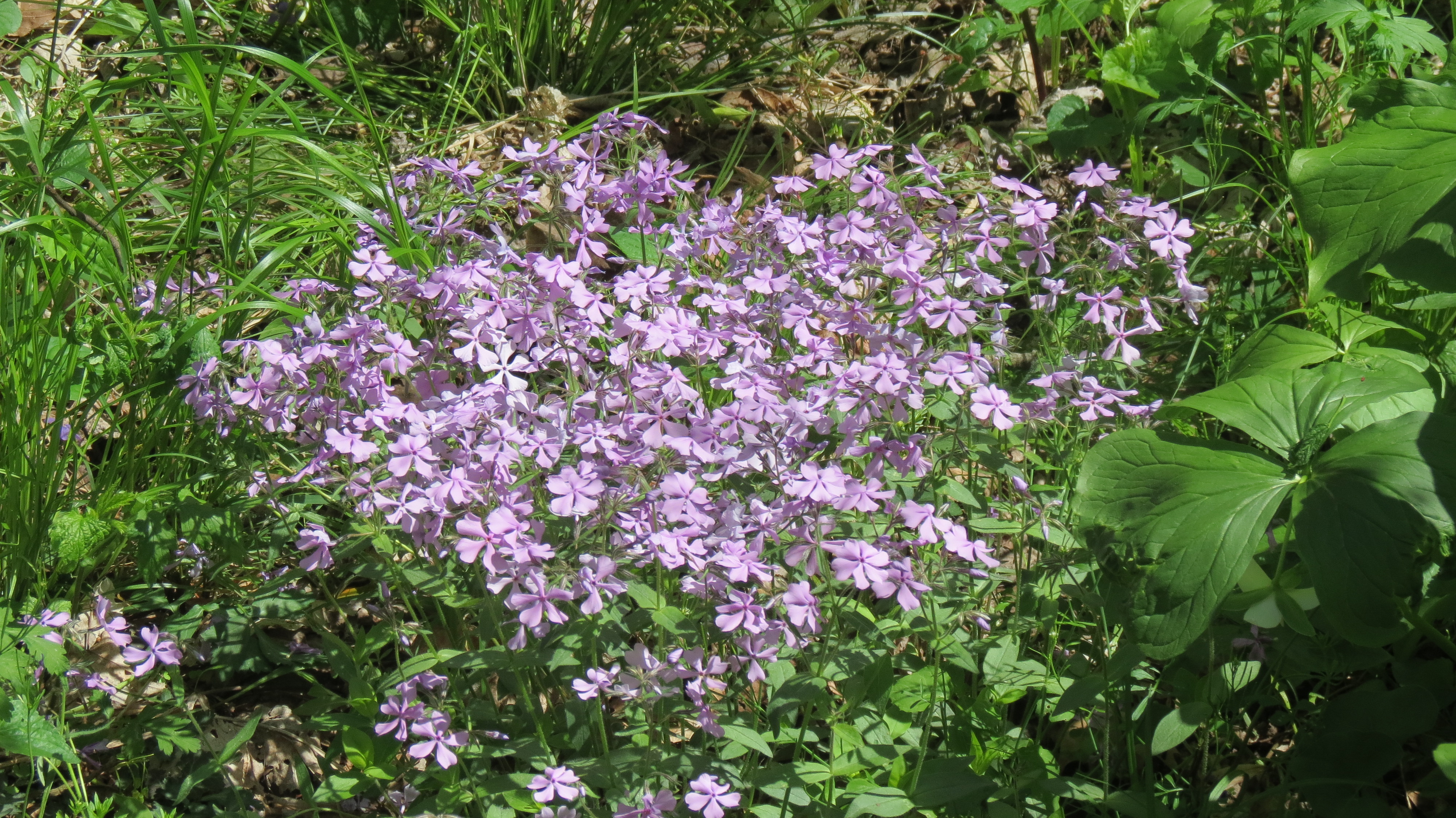
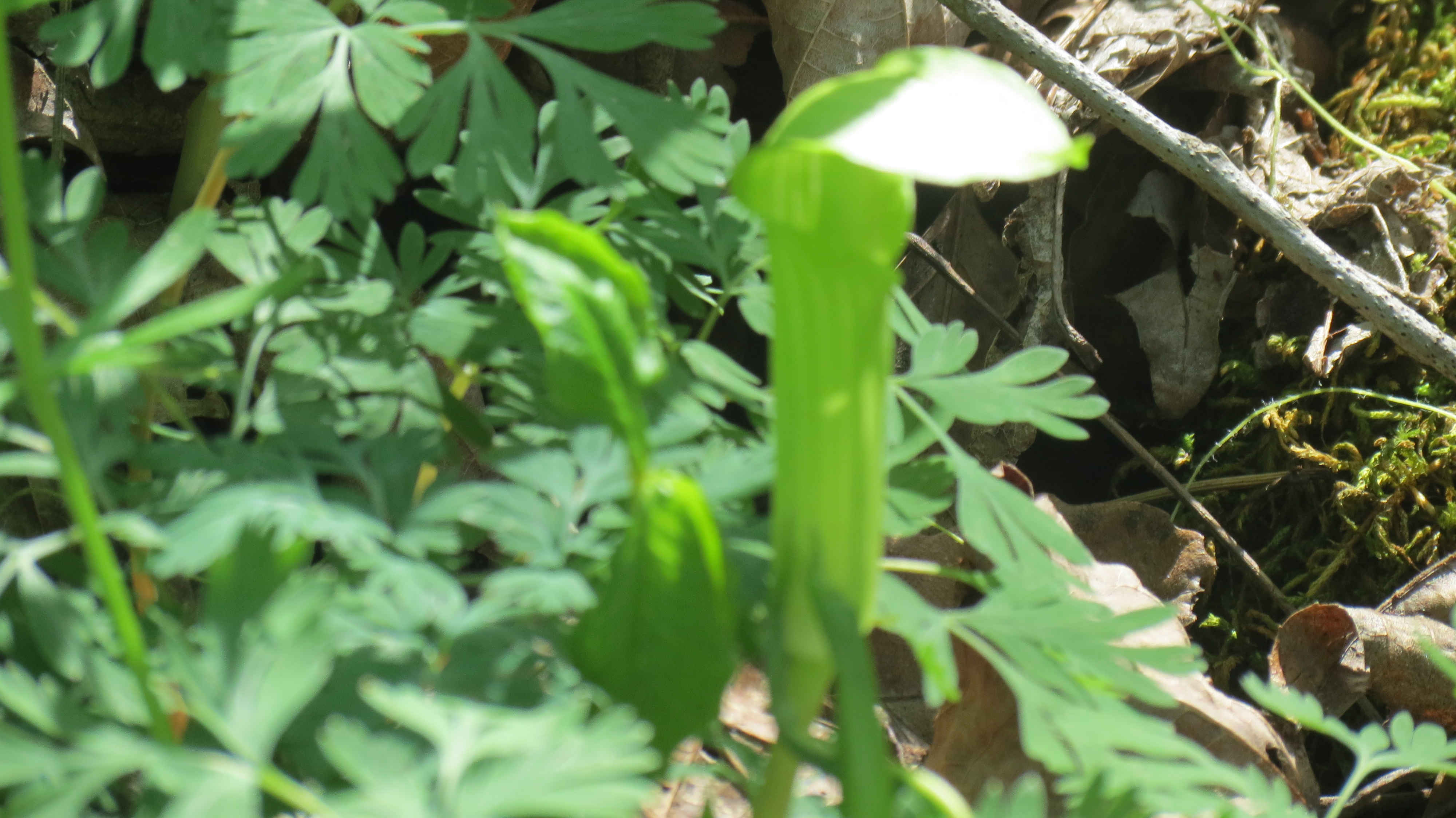
In between the tours, I walked the 12 miles (20 km) of trails near the visitor’s center, then took a wildlife flower hike to relearn what I once knew about wildflowers, such as jack-in-the-pulpit and trillium.  The trees were just beginning to leaf out, and the temperature was mild.

Phlox

Jack-in-the-Pulpit

IMG_3046 IMG_3047

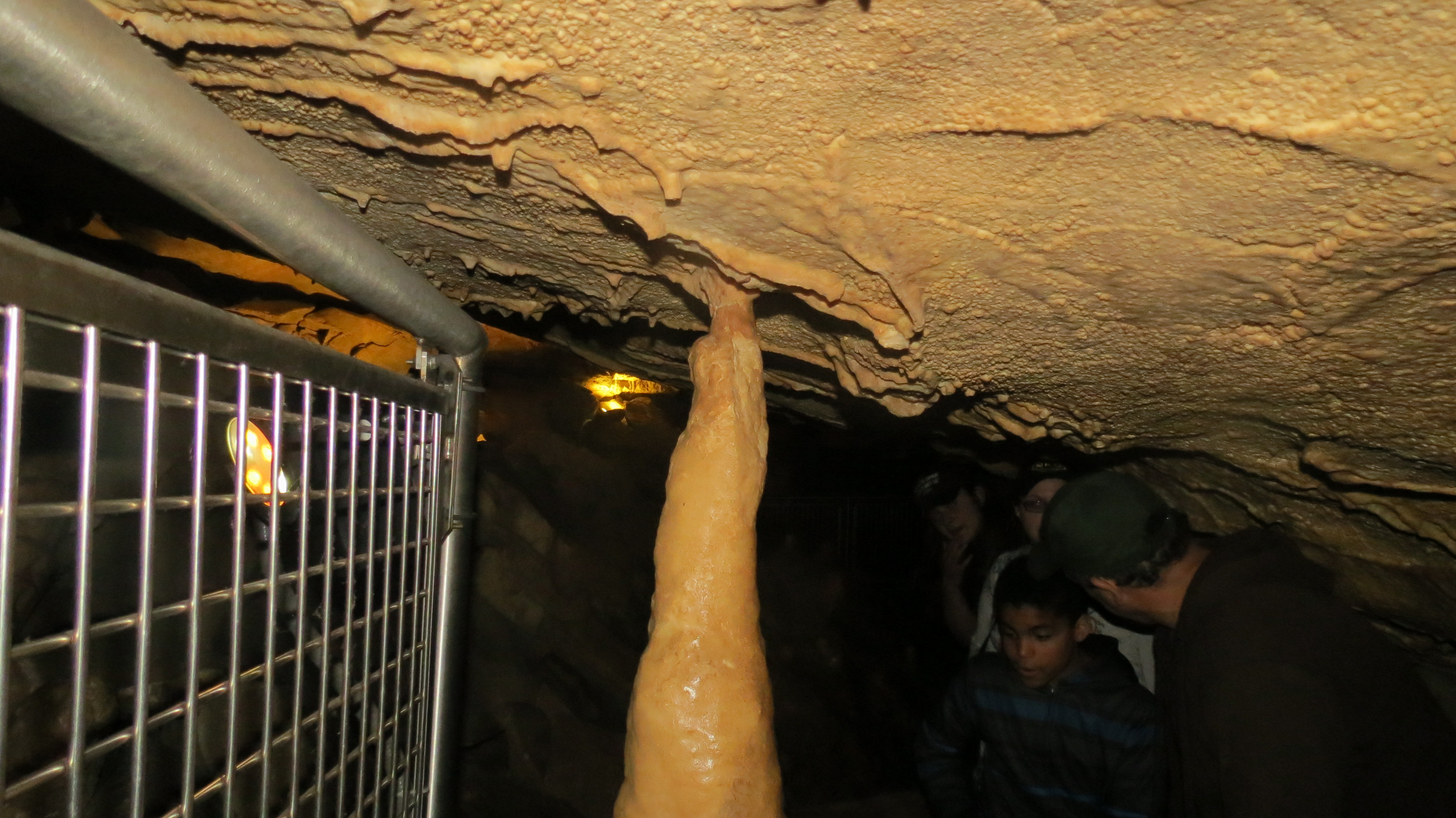
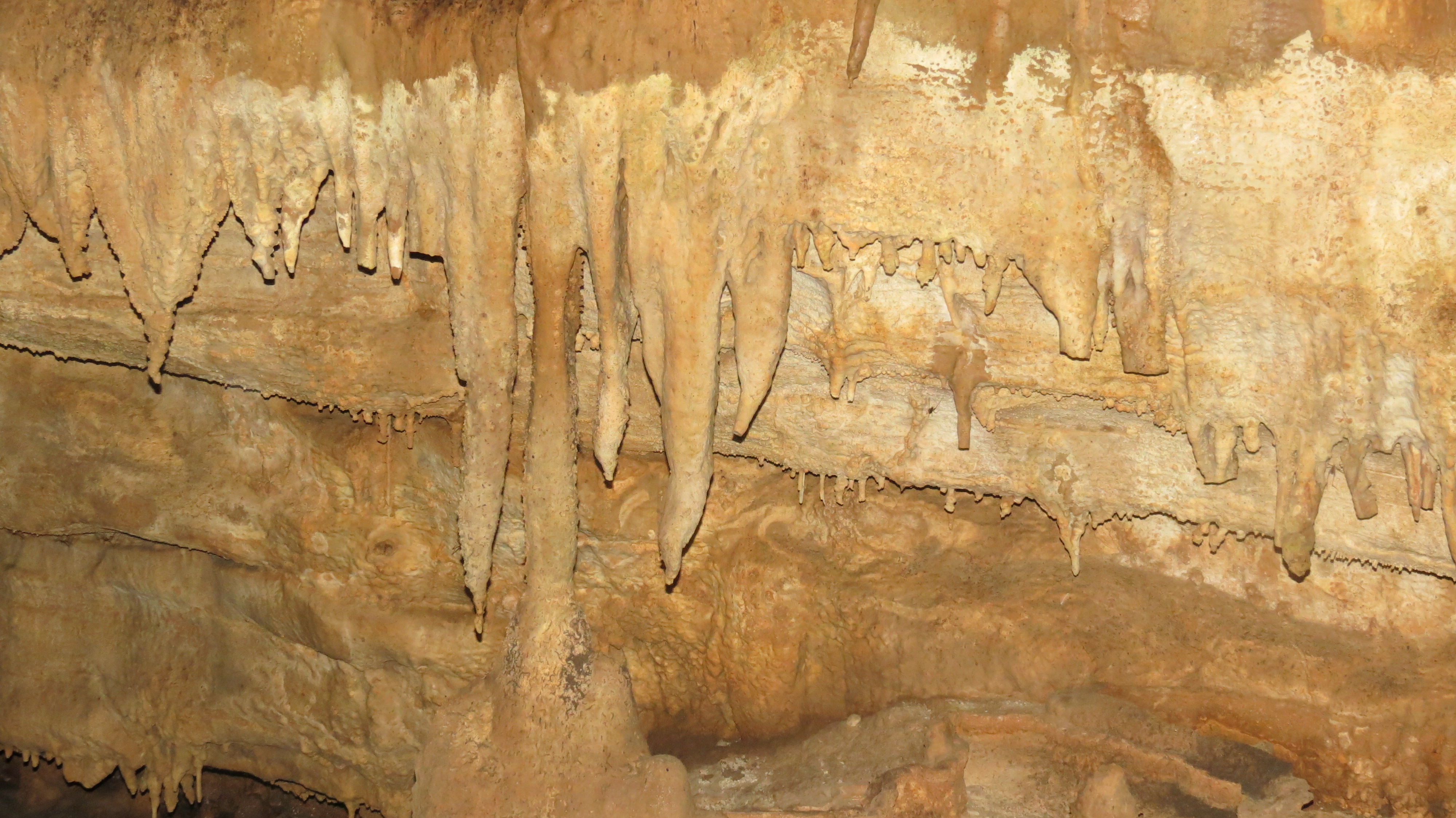
The Second Tour took us in a different entrance, one that was blown open when some cold air was exiting the cave and a small hole discovered.  This one descended about 270 steps and went through a wider variety of terrain.  There are longer tours that will show more of the passages, and there are caving tours, for those who want to see what exploring is like.

Gate to keep people from touching stalactites and stalagmites, since one touch will destroy any future growth. Past generations of visitors did this.

IMG_3064 IMG_3083 IMG_3084 150 meters below ground.

On Sunday, I drove back to St. Louis, first looking at the Green River Ferry:

Green River Ferry

….and doing one more trip around an area over one sinkhole and looking down on an underground river, above ground further south in the park, and here emptying in to the Green River.  This part of Kentucky is full of sinkholes.

Underground river emptying into the Green River.

Underground river emptying into the Green River.

UNCOUNTABLE COSTS: HOW MUCH IS THE BOUNDARY WATERS WORTH?

April 30, 2013

There is serious possibility of opening a sulfide mine in the Boundary Waters watershed, with politicians on both sides supporting it, because it will create jobs.  I haven’t heard much about the costs of such an mine.  Costs are different from money.  For example, we have spent more than a trillion dollars in Iraq and Afghanistan.  That’s money.  The cost, in dead, maimed, displaced, and ruined families is uncountable, but I would submit it is enormous. Because we can’t place a value on a human life, we don’t, so the money we were told we would spend–a laughable $1.7 billion–was at least four if not five orders of magnitude too low.  Before going to war, costs should be understood, but few in Congress understand costs.

Without doubt, the mine near Ely would provide jobs, although mining is more than pick and shovel work these days.  Mining requires engineering skills, knowledge of geology, and more important, knowledge how to do it safely, which means disposing of the waste in such a way that the environment is not polluted.

There are a few of us who think this mine is a bad idea.  A really bad idea.  One company that may be involved is not American; while that doesn’t make it necessarily bad, they don’t have the deep connection to the Boundary Waters that some of us have.  Worse, these types of mines have in every instance been shown to have left toxic metals on the surface that leach into the water and pollute it.

The name of the most beautiful wilderness in the Lower 49 is the Boundary Waters.   Connect the dots.  This region has some of the cleanest water on the continent.  I have drunk from the lakes on every one of my 62 trips up there. How many places can we still drink water out of a lake?

Fish live in water, too.  The second Saturday in May is a special day in Minnesota, for it is fishing opener.  I wonder how people will feel about the possibility of far fewer fish, should the mine pollute the watershed.

But the mine won’t be a problem, I have been told.  I will hear the good-looking young men and women, who sound so sincere, say that there is nothing to worry about.  The executives, who have so much money to gain from the mine, will say technology will make this mine safe, and there won’t be a problem.  The jobs that will be created will be so important to the Iron Range communities, where many are short on money and long on clean water and forests.  Everything will be just fine.  Listen to the reassuring voices.  Look at the handsome young people.  Watch the pictures of cute deer drinking out of a lake near the mine site.  Everything will be fine.

Until it isn’t.  Let me repeat that in a different way.  Everything is safe until it isn’t.  That goes for Challenger, Columbia, Tenerife, the Comet, Electra, and DC-10, shipping oil out Prince William Sound, pipelines through Arkansas, Deep Water Horizon, Chernobyl, Fukushima, and I suspect Keystone XL.

When the you know what hits the fan, suddenly people will be sorry.  “It’s an Act of God,” “we couldn’t have possibly foreseen this,” “we will do everything we can to make you whole.”  And the company will file for bankruptcy.  I wasn’t born yesterday. I could name dozens of other catastrophes.

But then it will be too late.  It will NOT be an Act of God, any more than rheumatic fever or tuberculosis was, death from infected hangnails, or acute lymphoblastic leukemia. Complex systems will fail.  It is a matter of statistics and probability, and there are not many who understand these concepts.

The questions I ask are quite simple:

1.  How much is the Boundary Waters Canoe Area Wilderness worth?

2.  What is the probability that the mine will pollute, and how are you computing that probability?

The first  question has no answer, and the second is difficult to compute.  We could do an Expected Value analysis on  the Boundary Waters.  We could add up the tourism dollars, the cost of the timber, the fresh water, the campsites, and multiply it by 1, since it already exists with probability 1.  We could have the money the mine puts into the hands of the people of northern Minnesota (not how much ore is there, but how much money goes to the locals, which is a much smaller number) and multiply it by the probability it will cause no problem, which from past experience, is fairly close to zero, and get another expected value.  We then compare the two.  But the first expected value is too low, because no price can be placed on the Boundary Waters. We can’t place a cost on certain things, like people’s lives, unless we want to use human trafficking as a means.  Is this what we’ve come to?

Because these mines have ALWAYS had problems, it is incumbent upon those supporters to show why THIS mine will be different.  But let’s get back to what we can’t measure–the  value of wilderness that is nowhere else this accessible, this pristine, and this transformative of people.  No, we can’t say what that is worth, but it sure is worth something.  It falls into the category of “It ain’t for sale at any price,” and that is what some of us are saying.

There are a few other things that ought to be pointed out as well.

First, Ely, one of the towns that would be impacted by this mine, was once populated by miners, whose kids went to work in the mines.  There is a community college in Ely–Vermilion Community College–where the last Thursday in April is a scholarship banquet, where $42,000 is donated to students.  I am responsible for 3 of those scholarships. 

In 2007, I gave a scholarship to a young woman, whose parents came to the banquet.  Her father worked in the mines on the Iron Range west of Ely, where the mine tailings are, for lack of a better word–ugly.  He was so proud of his daughter, whose education would have her not go into the mines, the way he did.

Now we are offering jobs back in the mines.  We seem to be going backward.

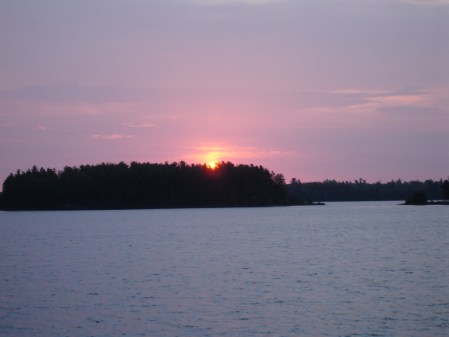
Second, many call the Boundary Waters “God’s country,” a term used for unspoiled wilderness, Up North, in Boreal Country.  I wonder how many believers up there think that mining in a sensitive watershed is in keeping with Creation.  Just a thought.  BOUNDARY WATERS_2007114
The third issue I have is one that we don’t discuss in this country, because the major religions don’t believe in it, and many people don’t either.  We need to have fewer children.  If we had fewer children, we wouldn’t need to find so many jobs for them.  The notion that somebody can finish high school, go into the mines for good money (so long as the mine keeps working), buy a truck, a snowmobile, a boat, have 5 or 6 kids, lots of debt, and expects the kids will be able to do the same thing–and their kids, too–just doesn’t apply any more in this country.

I’ve got skin in this game, although I have no kids.  I think we leave some areas off limits to mining, just as we limited the dams in the Boundary Waters, even though it was a matter of cheap power.  Really?  Cheap?  What would the cost have been had we destroyed Curtain Falls and flooded Crooked Lake and Lower Basswood Falls?  It almost happened.
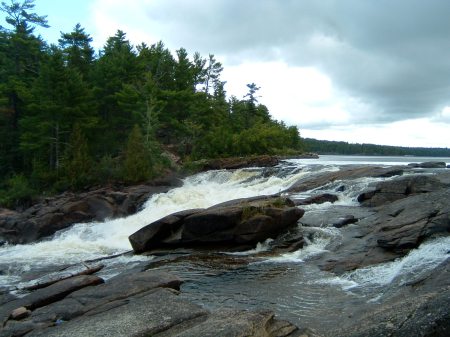
Crooked Lake at top; Iron Lake at bottom.
Curtain Falls today:  Crooked Lake at top; Iron Lake at bottom.

DSCF0026

The Friends of the Boundary Waters, of which I am a member, is going to fight this mine tooth and nail.  So is Steve Piragis in Ely, for whom preservation of the water resource is his livelihood.  I will support them.  The Friends wants to expand its scholarships too, so that more young men and women are trained to do jobs that wilderness management requires.  That is where the money ought to go.

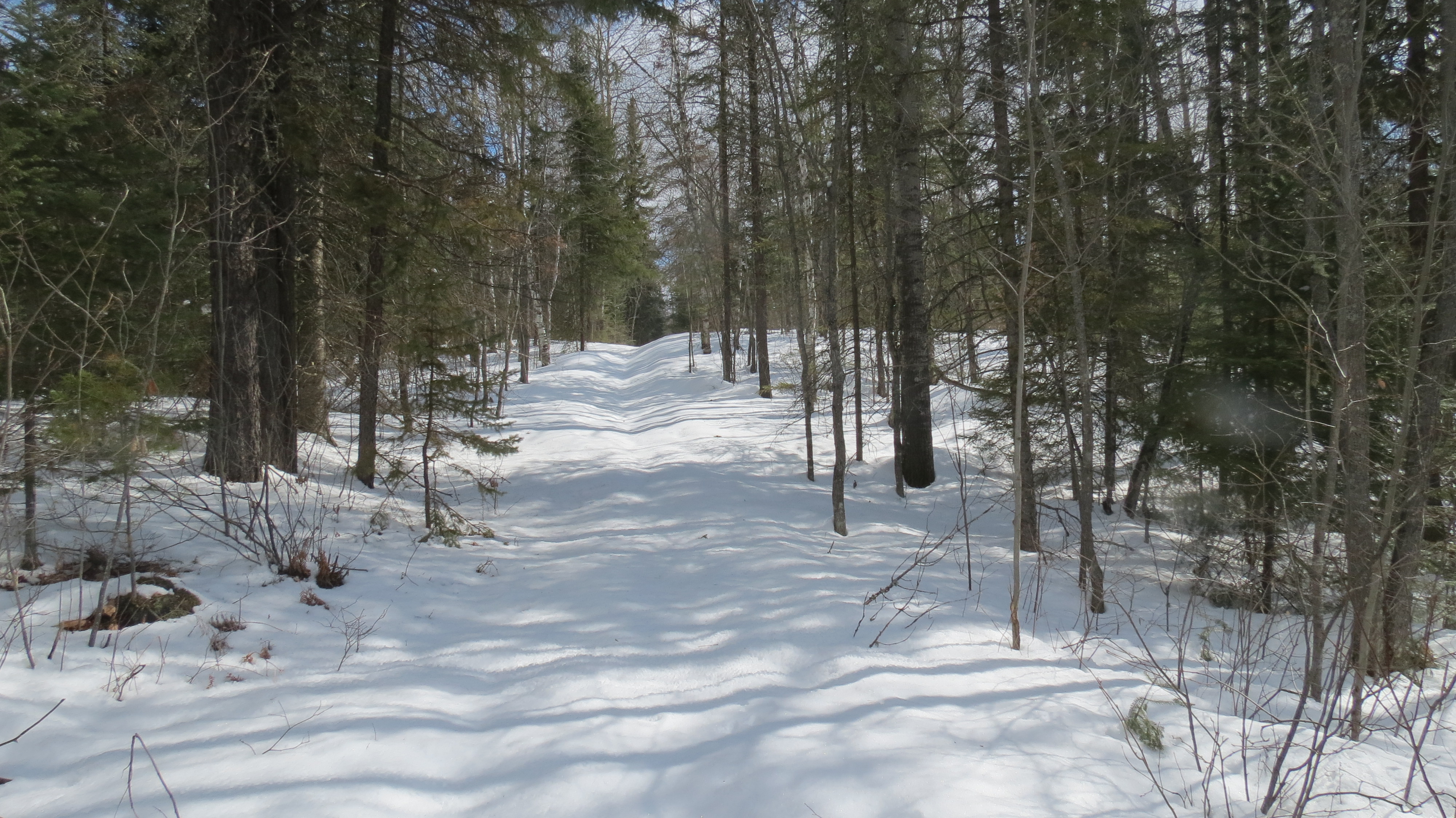
It’s a harder slog to fight this mine as it was recently for me to get into Angleworm Lake in 3 feet of snow. IMG_3096 I’m not young, handsome, or have a reassuring voice.  I am in the minority who dares say we have too many people and that polluted wilderness will not return.  I’m looking at 10-100 years, not next week’s pay check.  I’m thinking of those like me, who need wild country to find themselves and to think thoughts that can only be answered in God’s country. I may not win.
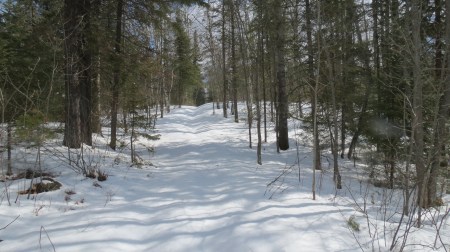
But I am going to the mat on this one.

NOT HAVING TO HAVE THE LAST WORD

April 27, 2013

Over the years, I have written many letters and many words, most of which were never read by others.  I got the anger and sarcasm off my chest by writing those words, but I decided against causing a lot of pain by sending those words out into the world.

A cardiologist I know, the  medical director of a cardiology program in the hospital where I was medical director, often sent letters that he obviously dictated, never read afterwards, and never let sit for a few days.  It fell to me, who was paid far less than he was, to reread the letters and tell the cardiologist what to write and what not to write.  Most of the letters would have been better off had he not written them.  The facts were not checked, the grammar was poor, and the point often could have been made with a lot fewer words or a telephone call.

With the onset of social media, it becomes very easy to comment on posts.  Many times, I have done so, only to delete the comment after it was written.  This morning, I started to reply to a comment on my comment, and finally just decided to let it go.

That’s really the secret:  knowing when to let something go.  If one insists on winning every battle and every argument, one may.  It is not a good way to live, and it almost guarantees failure of relationships with the opposite sex.  It took me far too long to realize that I needed to pick and choose those battles for which I would go to the mat on.  But even some of those, I would let the other person have the last word.  I’ve done that many times on Facebook, so I would not clutter up another person’s wall with my comments.

I often go to the mat on climate change, but I usually state my points and let the other person have the last word.  I make my five points very quickly:

  1. Is there anything I can say that will influence your thinking?  If the answer is no, then there is no use arguing.  We are now into the realm of ideology, faith, or religion.  I can be influenced about climate change; it is just that I require the following four statements to be present, and to date, they have not been.
  2. Can one state the argument without personalization?
  3. Will you use appropriate statistical terminology?
  4. Can you offer verifiable predictions to the Earth’s climate over the next 10-50 years?
  5. Can you state the consequences of your being wrong?

Once I have stated those issues and made my predictions, I have nothing further to add.  I will undoubtedly get something to read, which I will, until I see the first personalization of the argument, at which point I stop reading.

On gun control, which I also have strong feelings about, I am becoming more and more silent.  Like the conflict between Israel and the Palestinians, it flares up from time to time, and nothing will change in my lifetime.  I knew nothing would change after Newtown.  There are people who honestly believe that the government–the same government they say can’t do anything right–is going to confiscate their guns; something that is not being said by anybody in government.  They will not be influenced by me, and I am never going to change the feelings I had when I saw the handgun my late father had, when I cleaned out his apartment.  I looked at the gun, and I saw evil and death.  From a gun.  No, it isn’t likely I will be influenced, either.  So what is the point in arguing, other than to say as a teacher I will NOT carry a gun?

Most letters I write are about a quarter longer than they need to be.  They say all the feelings I have in my mind at the time.  I don’t omit anything.  They are powerful….and they are wrong and hurtful.

Letters with these strong emotions I require to sit for three or four days, unless they are a letter to the editor, more time sensitive, in which case I still let them sit for a day.  In that time, I discover some of the things I want to say really aren’t going to help my cause, may hurt it, are repetitive, and need to be deleted.

Posts that are on this blog are never written without letting them sit at least a week.  Sometimes, even that isn’t long enough.  Sometimes, a week is long enough to let them never see the light of day.  I got the issue off my chest, and that is what I really needed to do.

I didn’t need to put it on somebody else’s chest.

The disadvantage of allowing people the last word is that some make the mistake that my silence is tacit approval.  That is not true.  I might have decided the battle wasn’t worth fighting.  When I do decide the battle is worth fighting, one best be ready with statistics, probability, facts, and no tolerance for personalization of the issue.  That is the price I pay for waiting, being silent, and not having to win every argument.

That price is worth paying.

LOOKER-UPPERS

April 1, 2013

Several years ago, out in the Sonoita Grasslands, southeast of Tucson, I saw a thunderstorm develop over in Rain Valley.  Several of the thunderheads were producing a lot of rain, but the southernmost one wasn’t.  Instead, it kept discharging cloud-cloud lightning, as if it had a choice to either rain or light up periodically, and chose the latter.  In any case, it looked like a giant lightbulb.  I thought that interesting, so I stayed out to watch it.  I often just sit somewhere and look up.  It isn’t wasted time.

I am a looker-upper.

As I continued to gaze, I noted Jupiter high to the right of “Lightbulb,” shining with a steady light, as planets do.  I knew the object was Jupiter, because of its brightness and location.  Now I had a gas giant in view, with its own clouds and storms, as I observed from a rocky planet with its own storms, all right before my eyes.

And “Lightbulb” kept discharging.

I was fascinated with the show, but I knew that storms don’t last too long in the high desert, and I began to think of going inside, grateful, as I always am, for any show that nature provides.  For some reason, however, I stayed out a little longer.  I’ve long known that a an extra minute spent just looking may occasionally be worthwhile.  Besides, I was absolutely fascinated with “Lightbulb”.

Suddenly, a meteor shot through the sky between Jupiter and “Lightbulb.”  There aren’t many times my jaw drops suddenly, but it sure did here.  I had a simultaneous show in three levels of the sky:  the troposphere, high above the stratosphere, and in outer space.  I said another thank you to the heavens, watched for a while longer, and then finally went inside.

There is one other place I have seen three parts of the sky come into splendid conjunction.  If one travels to the Platte River in March, near the Great Southern Bend of the river, one may see the Sandhill Crane migration.  I really should use three different verbs here: to see, to experience, and to transform.  Many people see the migration, some experience it, and a few–like me–are transformed by it.  Transformation of a person by a sight means that the person is never again quite the same.  Not many sights transform me: a total solar eclipse did, and so did a sighting of a wolf in the wild 12 feet away, with nobody within 10 trail miles.  That’s heady stuff, being transformed.

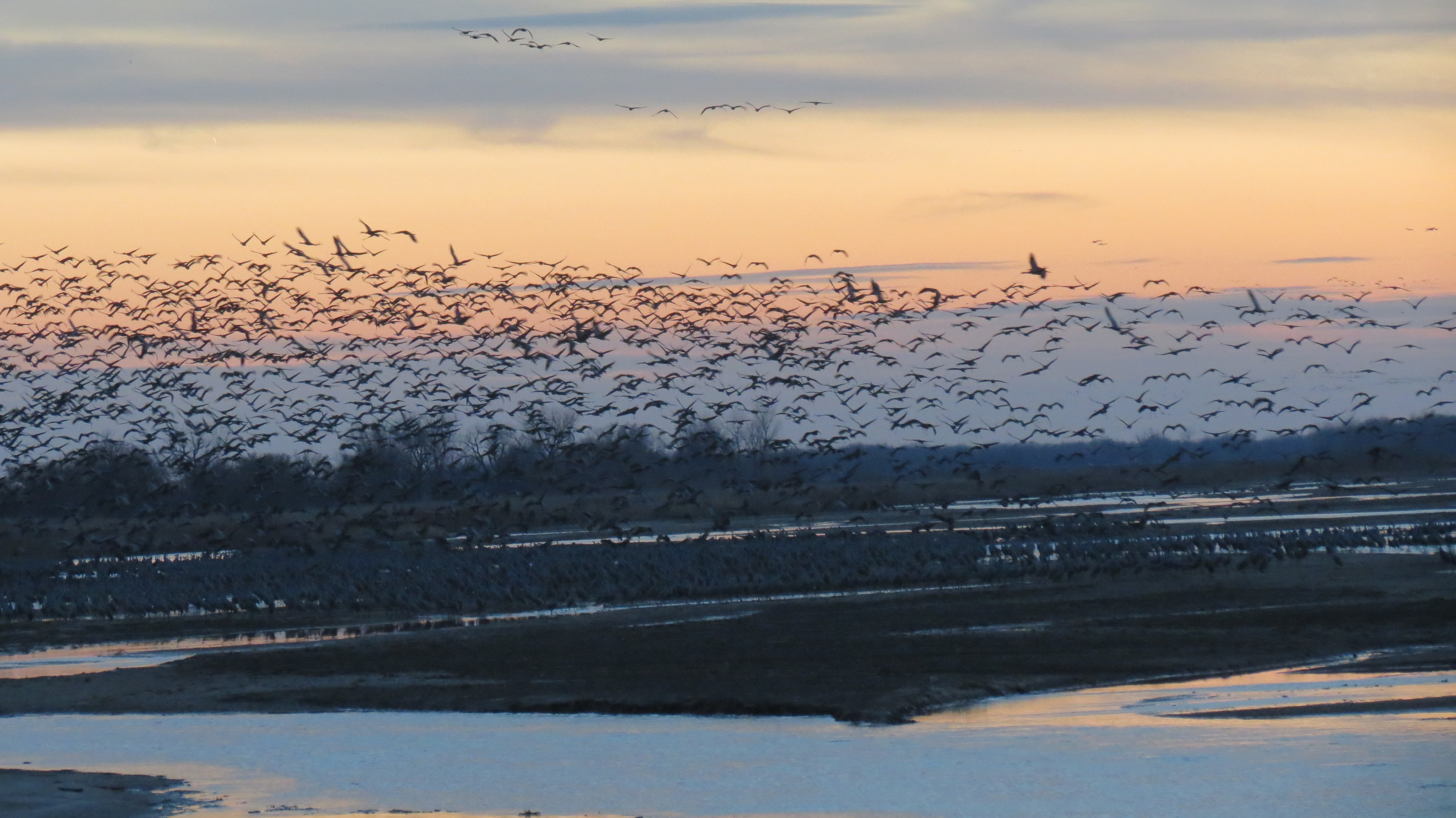
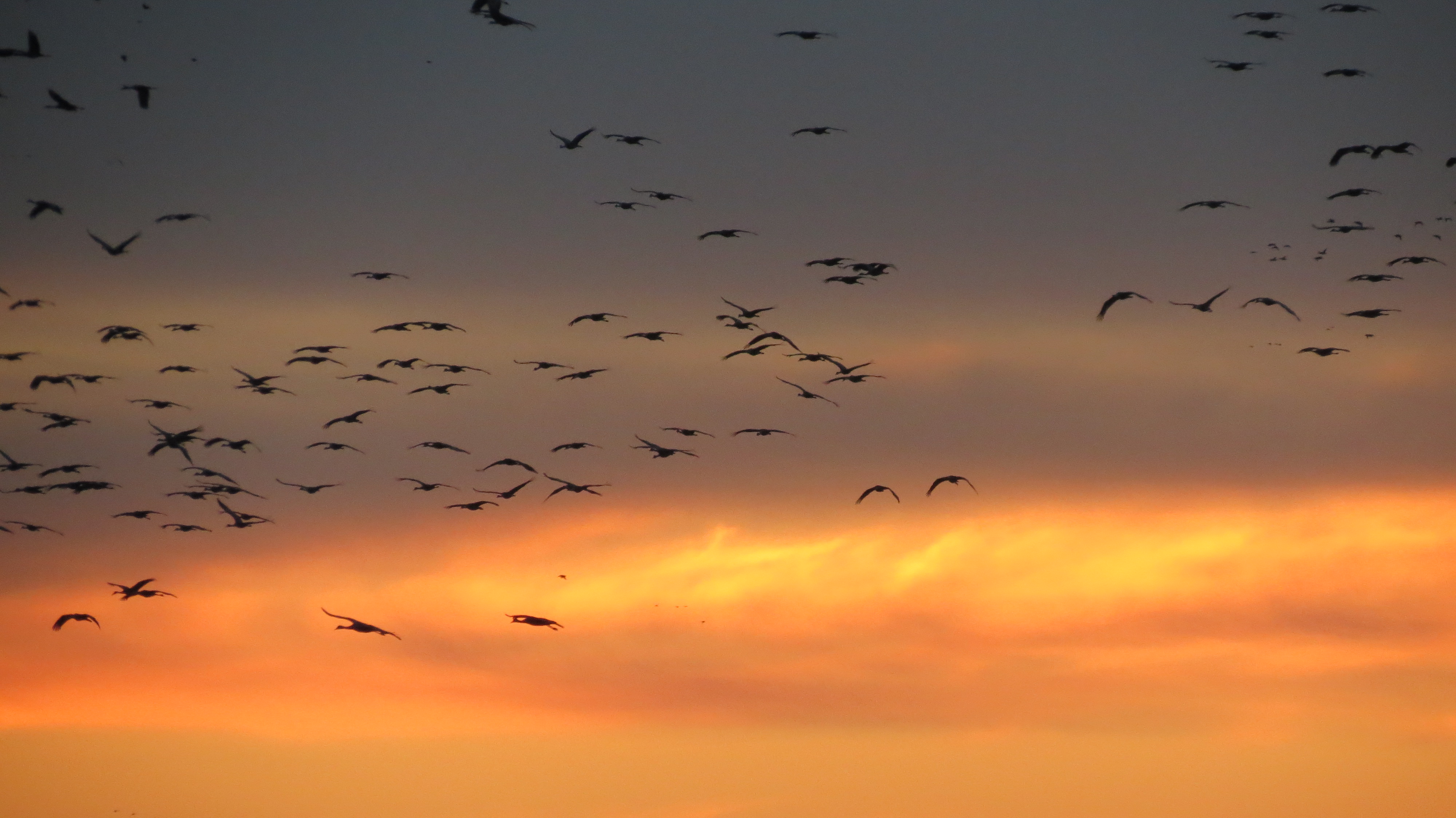
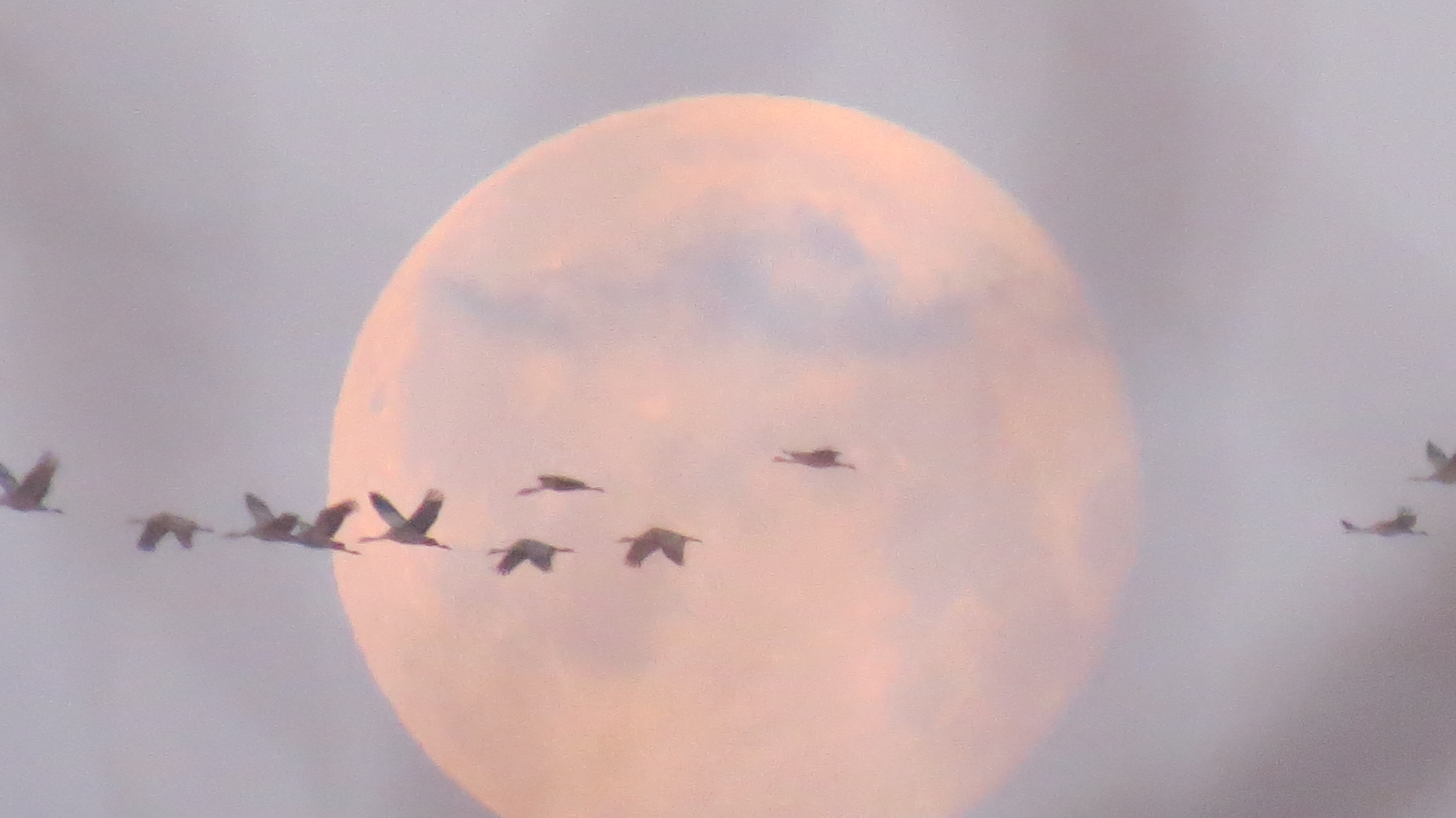
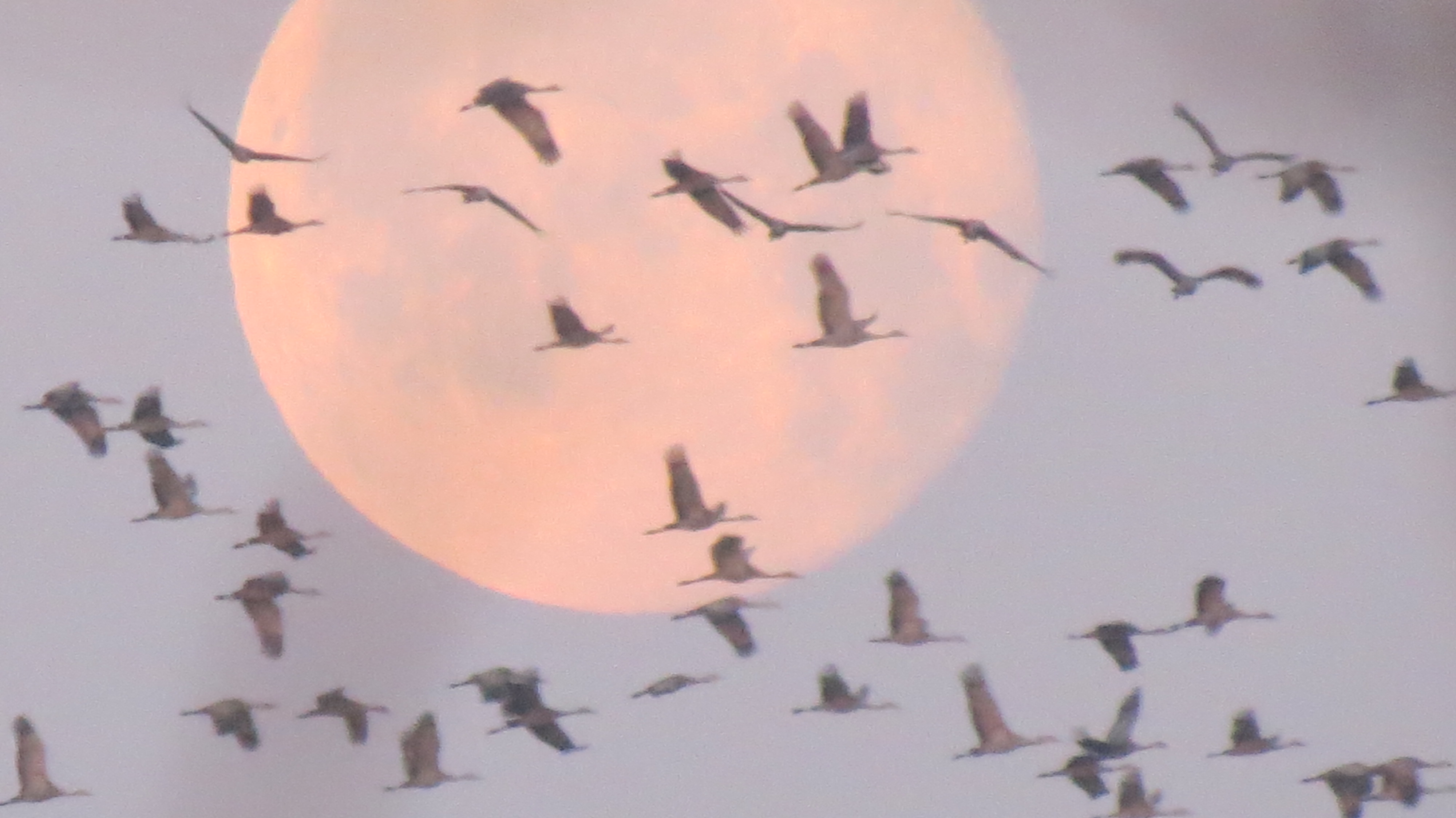
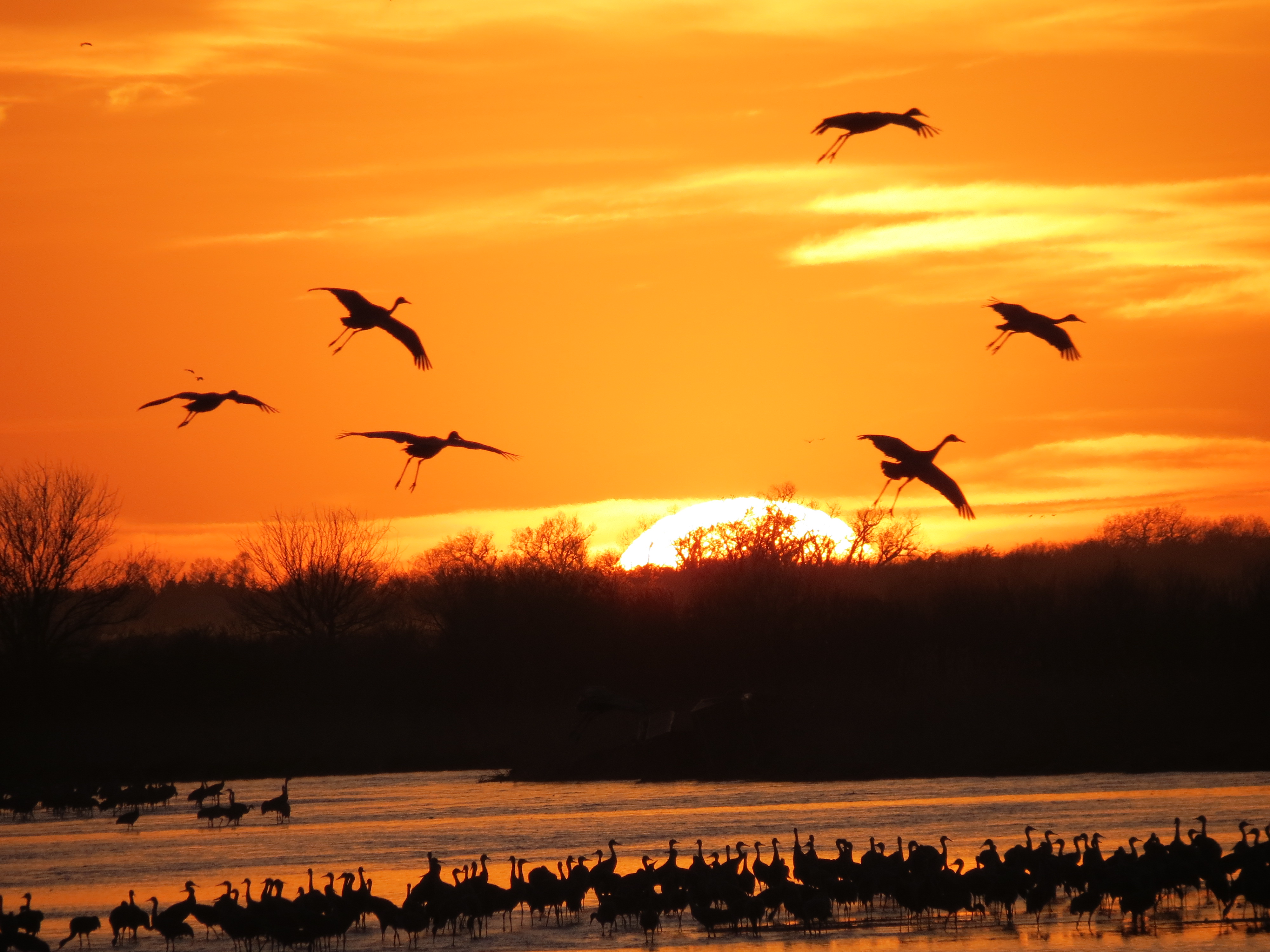
To see these spectacular birds, with their haunting call, darken the sky during a splendid Nebraska sunset and a full Moon rising in the eastern sky may transform a person.  I volunteer in Nebraska every spring, paying my way up there and working at Rowe Sanctuary, so I can go to the viewing blinds morning and evening.  It’s really selfish, but I do some work, too.  I work with other volunteers and Rowe Staff, all of whom are looker-uppers.

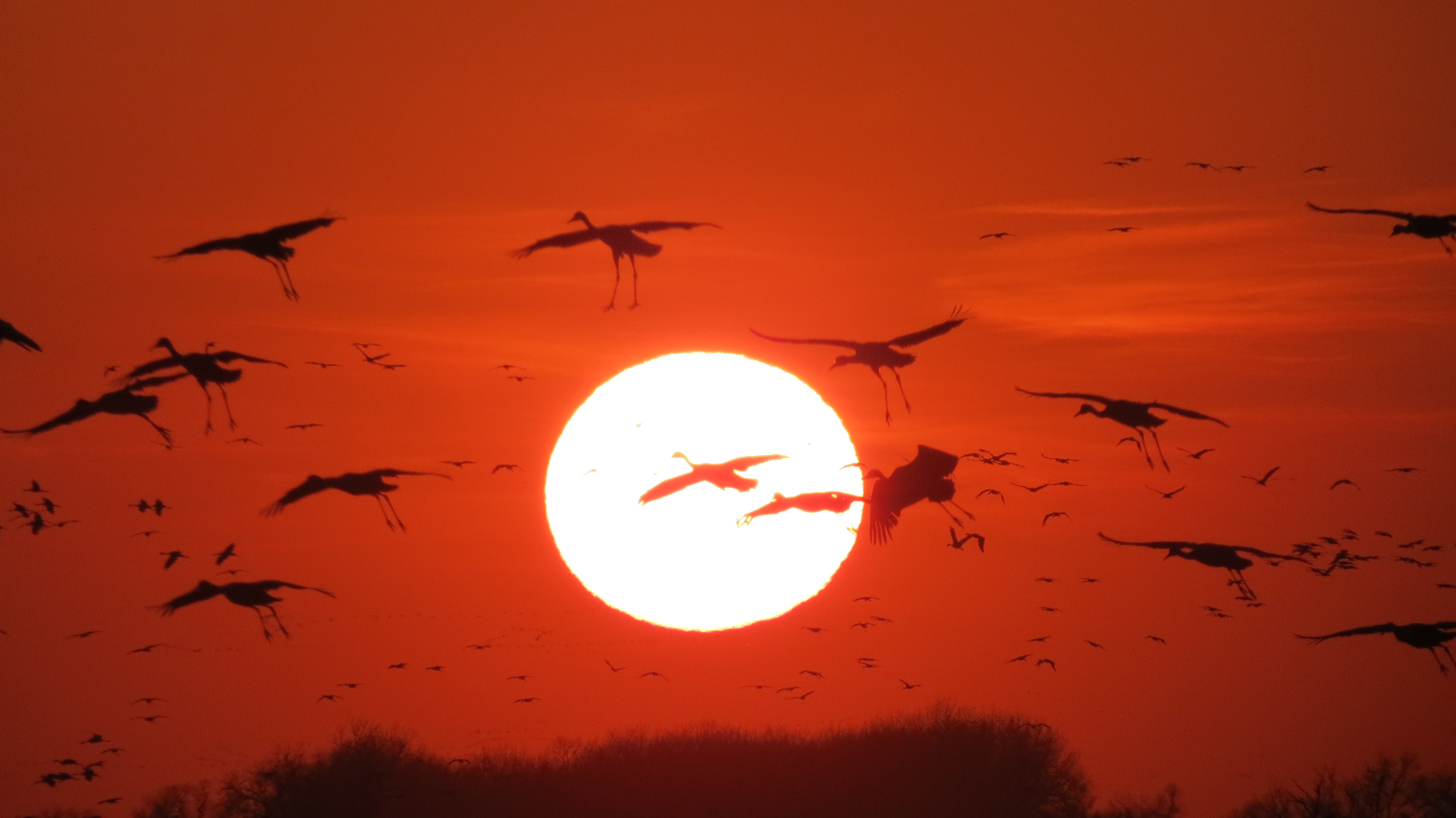
SUNSET CRANES

SUNSET CRANES

Sure, this conjunction may be explained by biology, astronomy and physics, but I doubt  many observers in Stevie’s Blind at Rowe Sanctuary on a March evening feel that way when twenty-five thousand cranes in the sky land right in front of them.  I doubt Stevie Staples, for whom the blind was named, looked at the cranes that way, either, and she was a teacher.

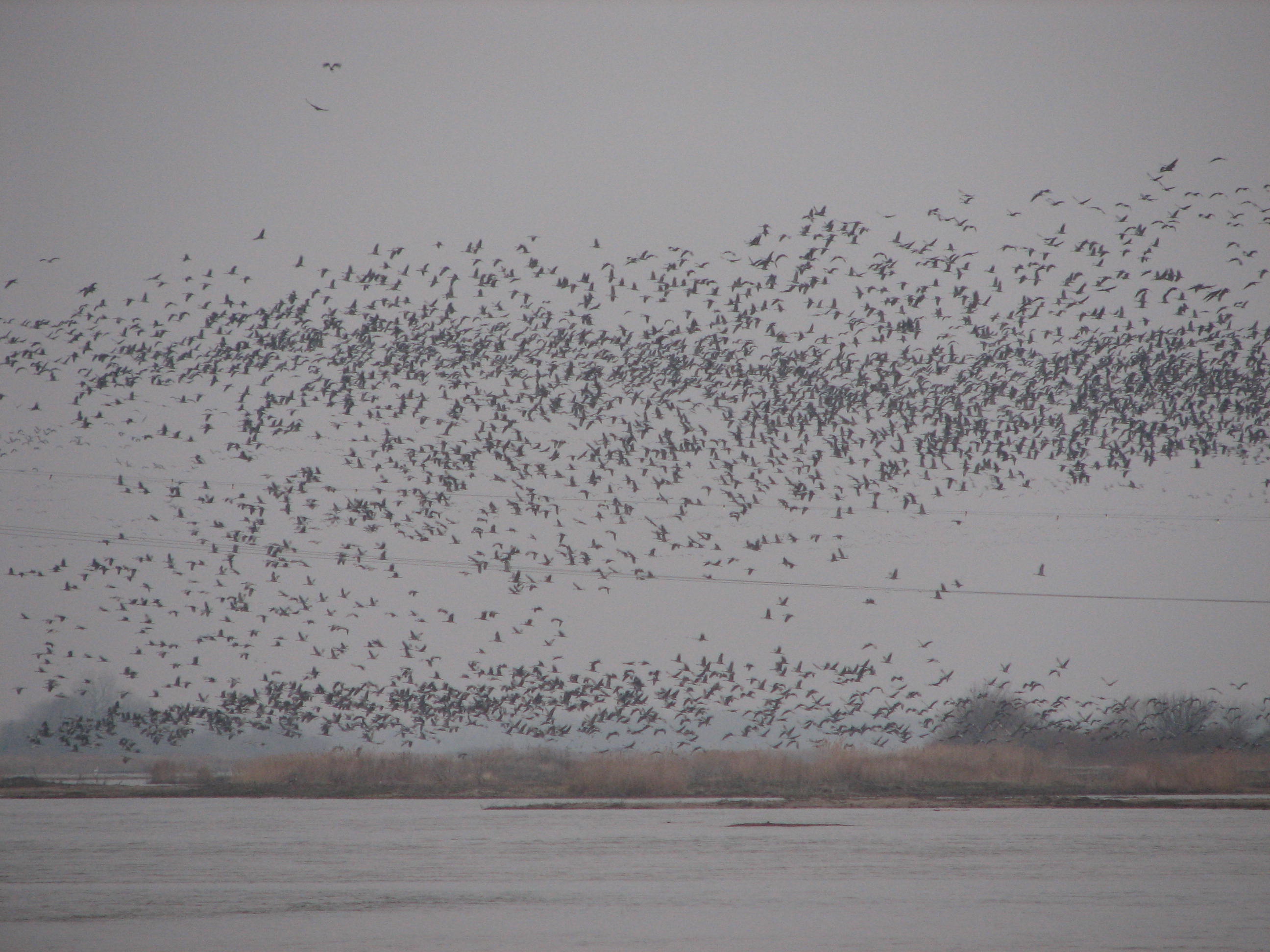
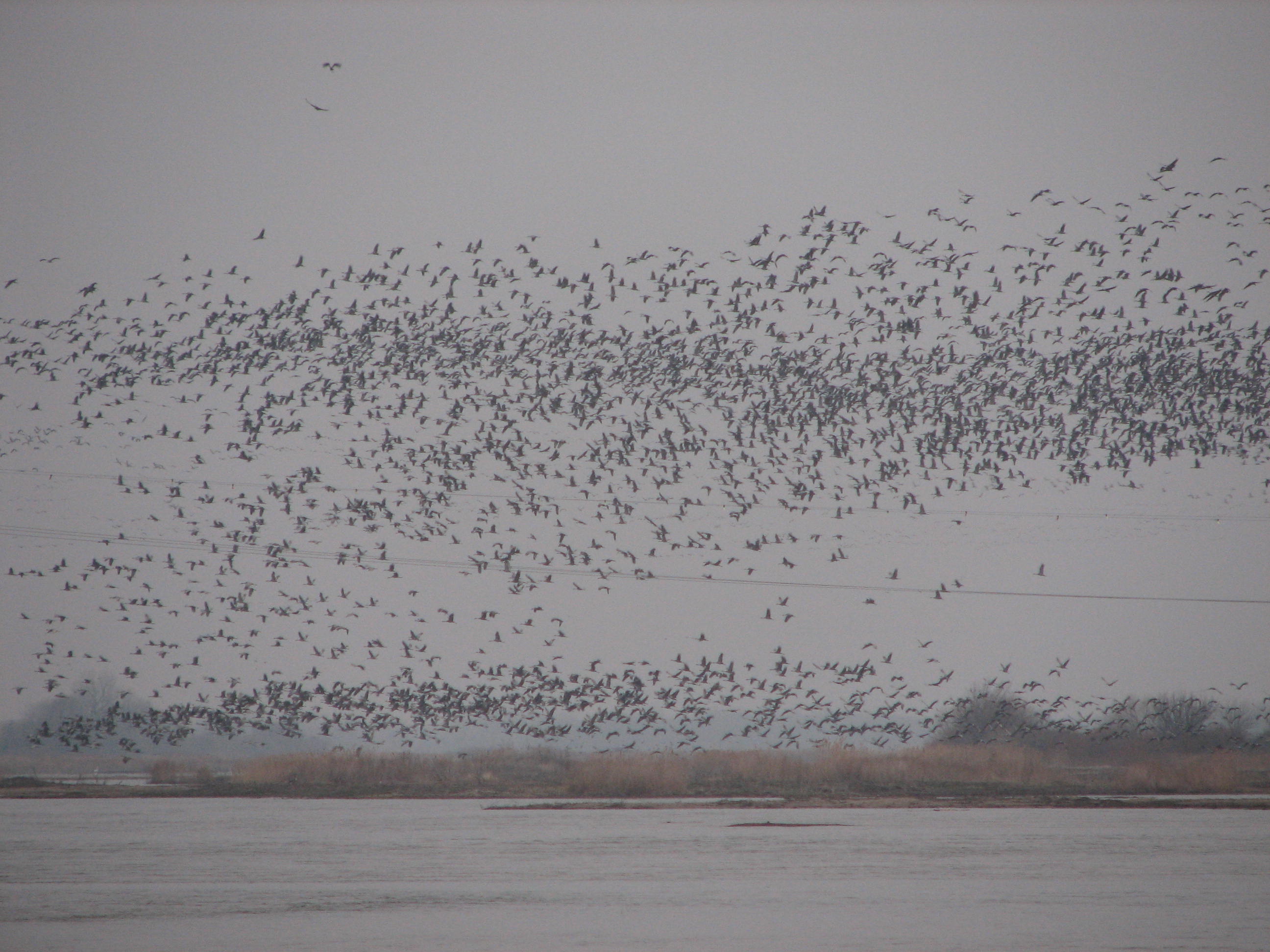
PART OF A FLOCK OF 20,000

Once one becomes a looker-upper, the person may become a bit of an astronomer, meteorologist, and birder, too.  Oh, I don’t mean the person can spot Andromeda Galaxy without optical aid, knows the difference between a Pied-billed and a Western Grebe, or can tell whether the sky is convectively active, but the person is learning.  I find myself looking up at the day sky, noticing where the deepest blue occurs.  There is a mathematical point in the sky where the sky is bluest, depending upon where the Sun is, but I don’t bother with the math.  I’m more interested in finding the deepest blue, and my 1x eyes are perfect for the task.

From blue sky, I started noticing clouds and weather, too.  Soon, I became as interested in the weather as I was in the night sky.  It’s easy to do, and as a guy who goes into the woods a lot, it helps to know how to predict the weather.  Oh, of course, I wasn’t a professional meteorologist, but I knew enough to keep myself more comfortable than I otherwise would have been.

I continued to look up and became a birder.  I won’t say I am a great birder, but I’ve seen many species, many of which I actually figured out on my own.  It’s often good to bird alone.  It makes a person a better observer, requiring spotting the subtleties that allow identification.  Other times, it is good to go with an experienced birder who can spot a particular bird and explain why and what it is. Birding is fun, but it is not a passion.

Looker-uppers aren’t necessarily experts; they just know where beauty lies.  And a lot of beauty lies above us, free for those who look.

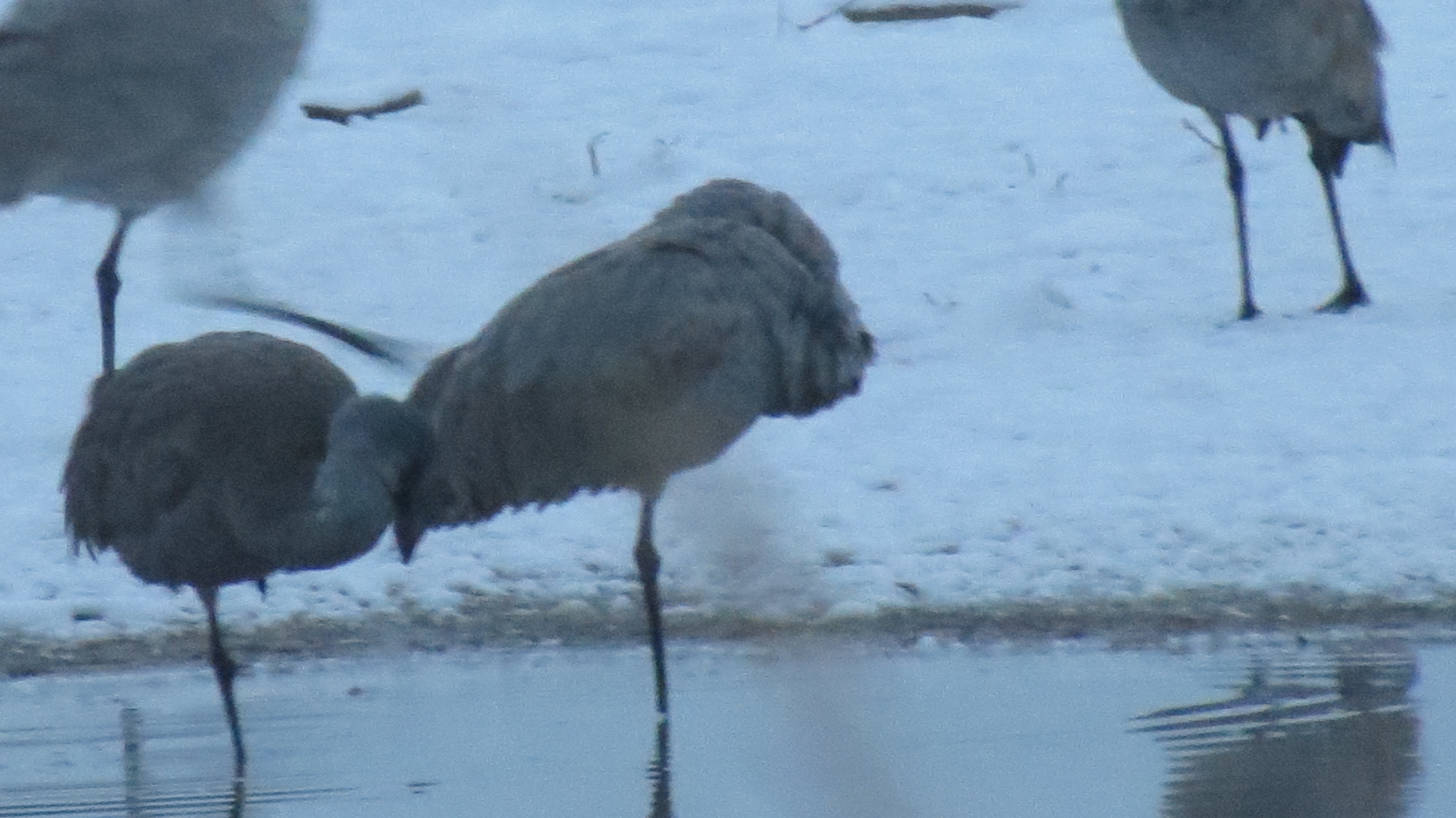
SLEEPING PAIR OF CRANES

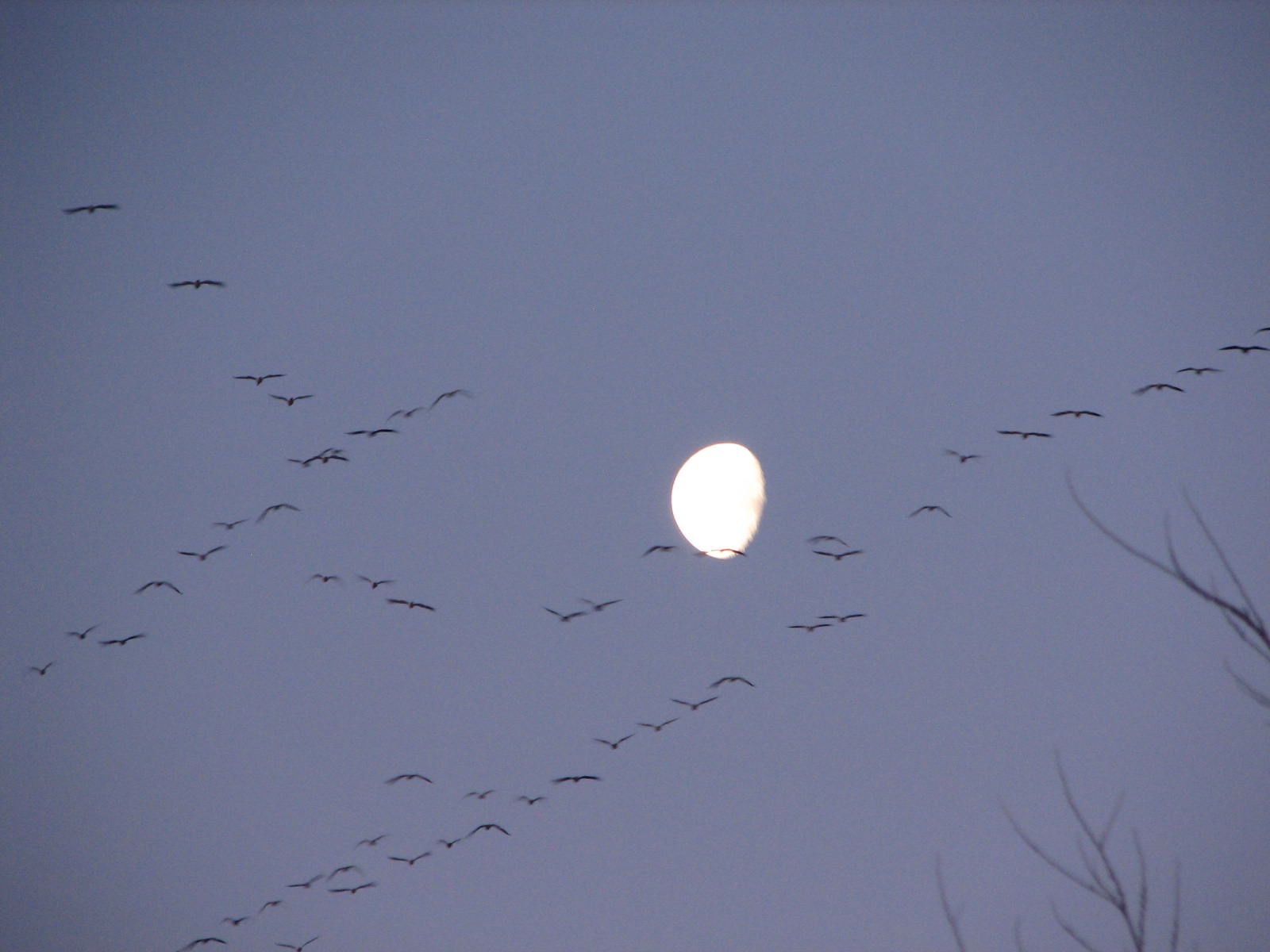
CRANE MOON

As I became a birder looker-upper after first being a star looker-upper, some birders come to my star parties after first being a bird looker-upper. They wonder how I know the night sky so well.  I wonder how they know the birds so well.  We all laugh.  We are all learning from each other, fellow looker-uppers, trying to get answers to questions we have about what is out there, what it is, why it is, who and why we are.

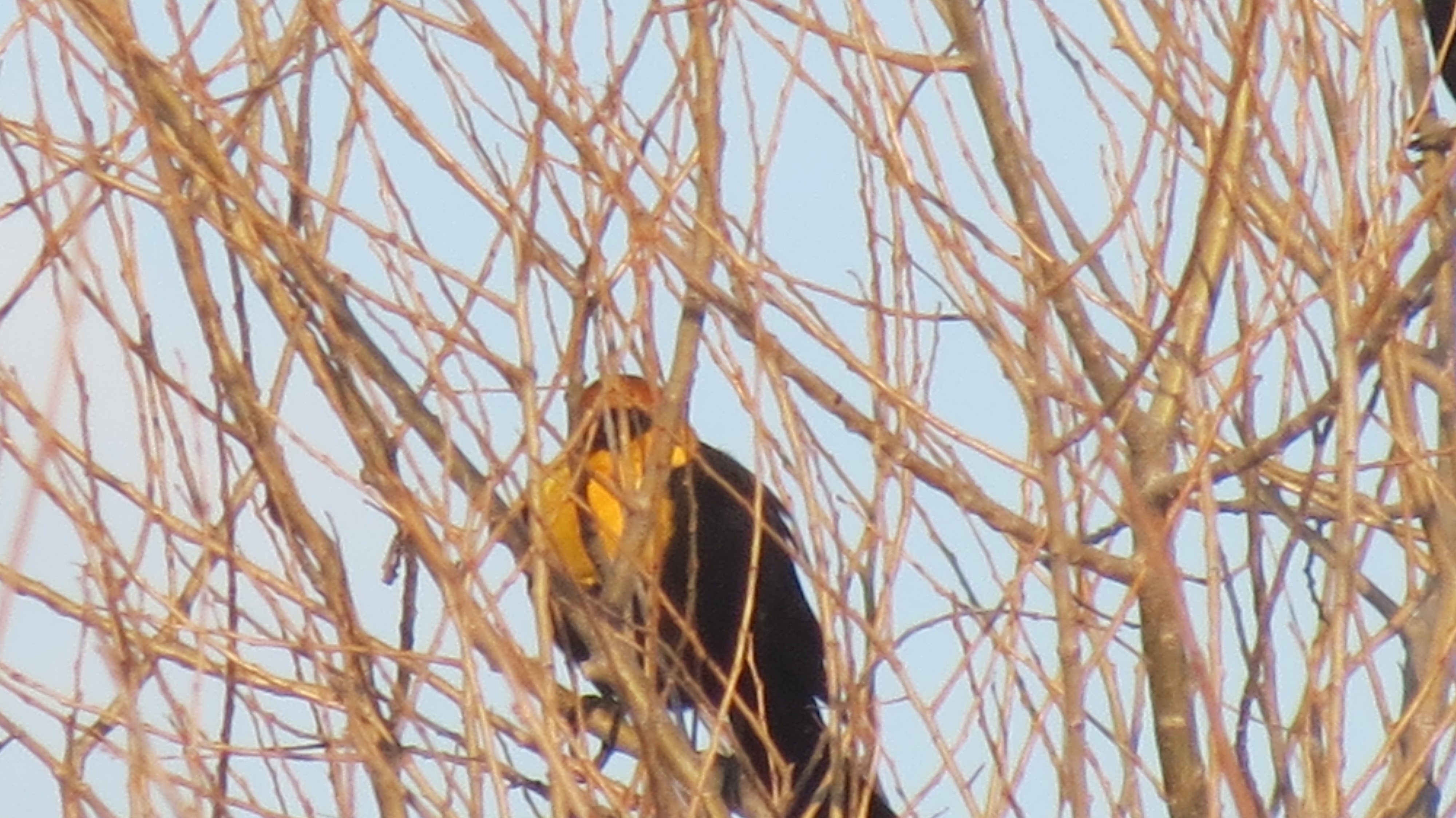
What I have learned about my fellow looker-uppers is that each of us finds our own faith in the sky.  Each of us has called the sky “the heavens” at some time.  None of us really knows what lies beyond, but we are all curious.  I don’t think there is a one of us who looks at the Sandhill Crane migration, Orion, Saturn, the rising of the full Moon, a Vermilion Flycatcher or a yellow-headed Blackbird

YELLOW-HEADED BLACKBIRD

YELLOW-HEADED BLACKBIRD

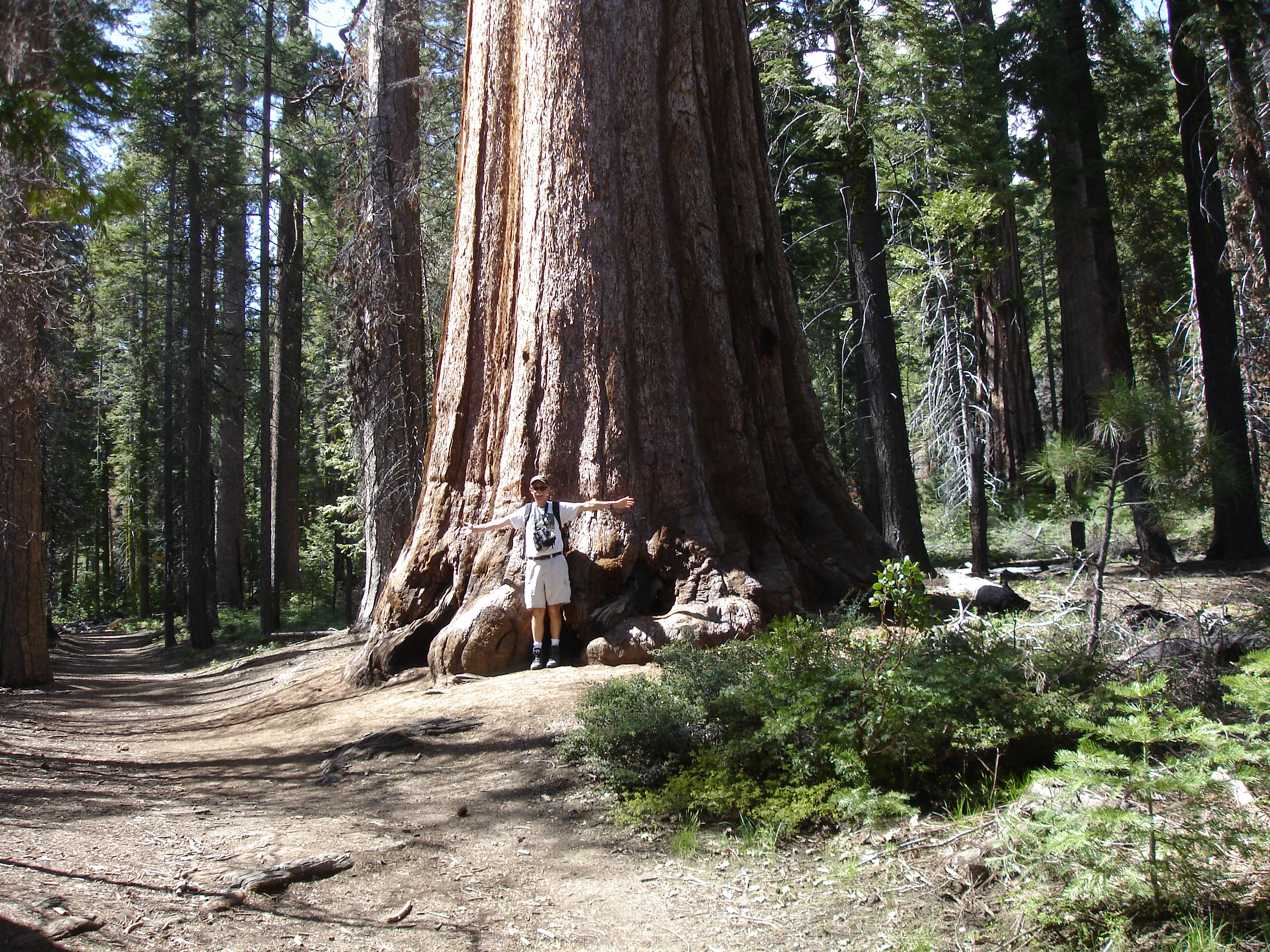
, a towering cumulonimbus, or a 2000 year-old Sequoia

STANDING BY A SEQUOIA, MARIPOSA GROVE, YOSEMITE NP.

STANDING BY A SEQUOIA, MARIPOSA GROVE, YOSEMITE NP.

without being filled with a sense of wonder.  I’m a deeply spiritual person, and a fellow looker-upper helped me discover that fact.

That same person, a wise man, a good friend, a fellow looker-upper, and a devout Christian, recently told me, “There are no atheists in foxholes and no atheists who watch cranes.”

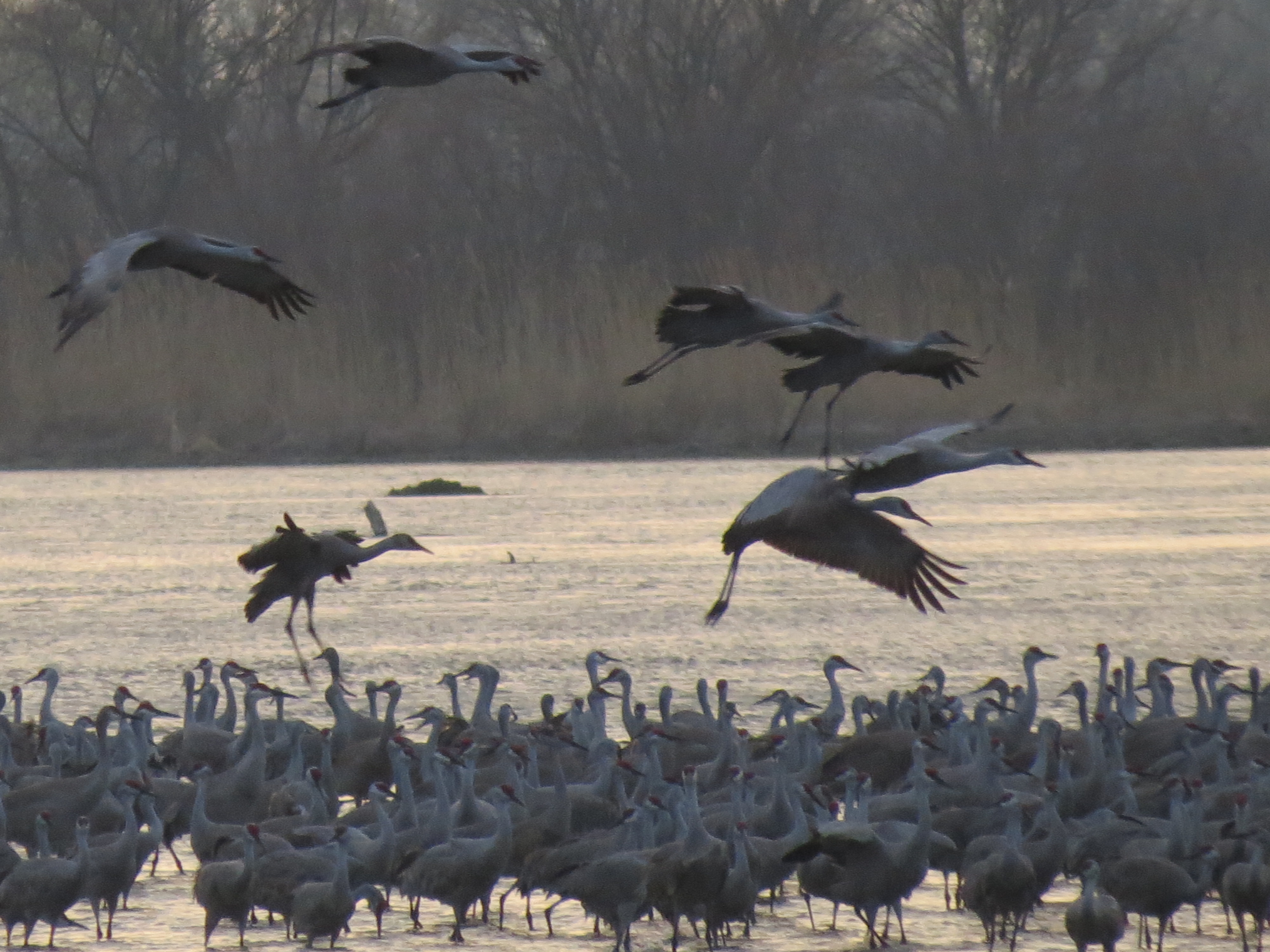
CRANES LANDING AT SUNSET, 2012

CRANES LANDING AT SUNSET, 2012

Judging by how often I hear “Oh my God, they are beautiful,” when I take people to the viewing blinds, I think he is right.


CRANES LANDING AT SUNSET, FROM STEVIE’S BLIND

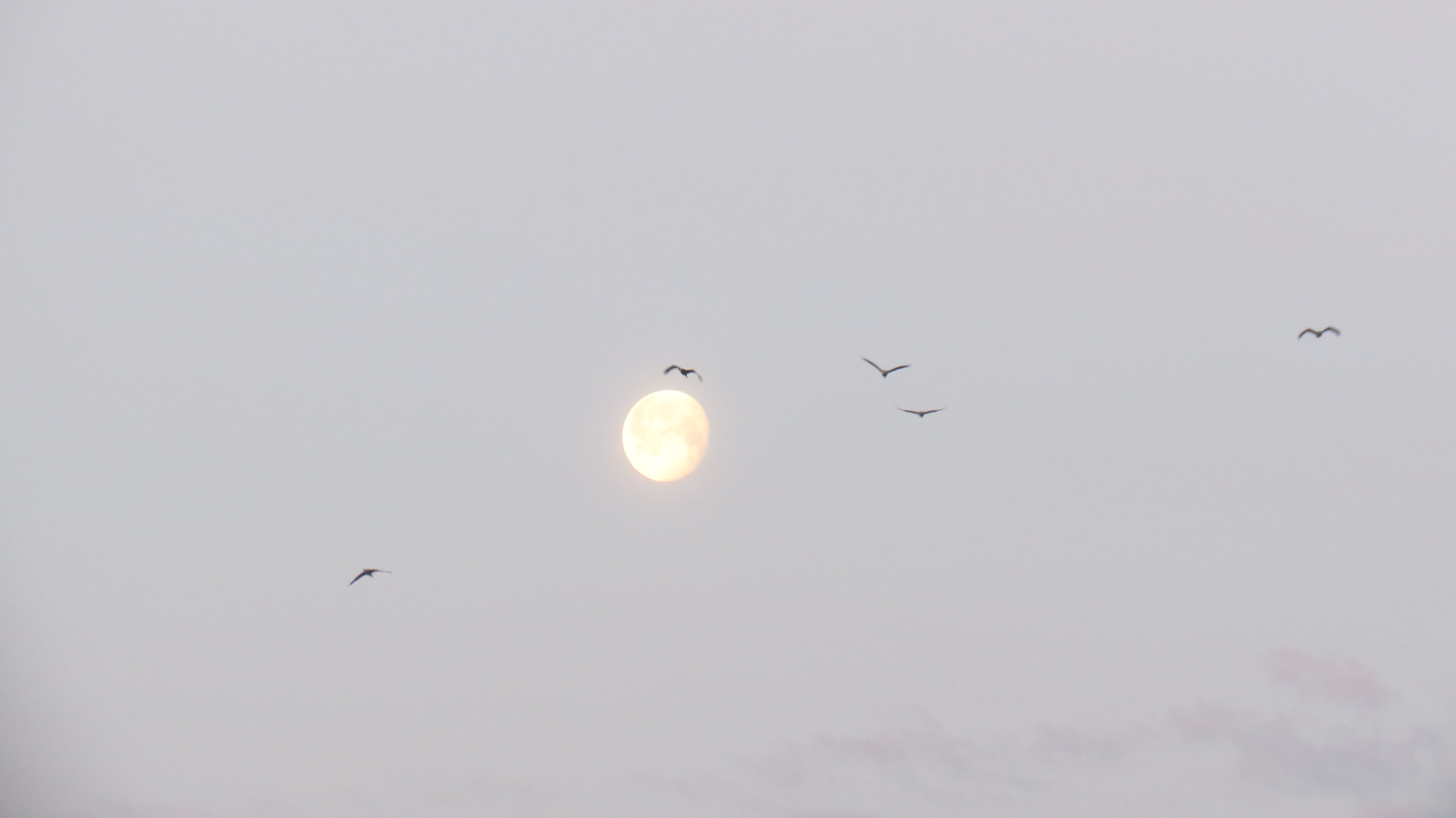
CRANES OVER FULL MOON, ROWE, 2013

CRANES OVER FULL MOON, ROWE, 2013IMG_2918

SAVING THE UGLIEST FISH IN AMERICA: THE PALLID STURGEON

March 31, 2013

The Pallid Sturgeon is a fish that lives in the Missouri and Mississippi Rivers, and which is on the endangered list.  Each year, many endangered species are further endangered by cuts in funding, because a country that went to war on borrowed money, with few who questioned going to war, now has to cut expenses to balance its budget.

A fish seems like a good place to start cutting money.  Or a bird.  Or a mammal, although our willingness to destroy other mammals of our own species hasn’t yet hit the chopping block.  Indeed, if we really want to balance our budget, so-called Defense should be first on the list.  But I digress.

The Pallid Sturgeon has been called the ugliest fish in America by some, so it might seem to be a good way to save money by cutting funding to preserve it.  After all, what use is a fish?  Oh sure, there are some anglers who enjoy catching something that can be 3-6 feet in length, weigh 85 pounds, and even provide caviar.  But a few anglers?  Not worth it.  Most of them who fish for the Pallid Sturgeon live in Red States, anyway, so politically this is a non-issue.

And the fish is ugly, at least compared to a Walleye.  But when I look into a mirror, I’m not looking so great some days, too, so I’m not about to pass judgment based on looks.

The Pallid Sturgeon is one of the leftovers from the Acipenseridae family and the Cretaceous period.  In 70 Million years, it has basically not changed, I have been told, making it a true living dinosaur.  It is endangered, because its habitat has been slowly destroyed by dams and pollution, and it spawns very seldom.

The question I ask is this:  “What is the Pallid Sturgeon worth?”

Each year, In Sioux Falls, a man who tries to recover this endangered fish; in other words, a man who thinks this fish has worth, has a visitor arrive from Washington, DC.  The visitor is an individual who comes from the center of government to the hinterlands of the US, where there are a lot of Republicans to be sure, but a lot of practical, commonsense people, too, people who have a multigenerational connection to the land and the life that land supports.  I don’t discuss politics with these folks, but when I discuss the land and wildlife with them there is a look on their face that I suspect is on my face, too.  I suspect the look is not on the face of the guy in the suit, when he arrives in South Dakota.

Each year, the man in charge of the Pallid Sturgeon project explains what he is doing in great detail, being sure to explain the dollars and cents involved in the recovery, so the dollars and cents guy can understand.  Mind you, this is not answering the question I raised above, for the word I chose was “worth,” not “cost”.  There is a difference, although to many, including the guy wearing the suit, the difference escapes him.  That is unfortunate, but he fortunately will learn the difference during his stay in the Dakotas.

At the end of the briefing, the biologist takes the Washington guy back to a large pool, and invites him to put hip waders on over his suit and step into the pool with him.  That to me would be worth seeing.  I would even pay to see that. Notice again how I use the two words.  The suit guy is a little surprised but does what he is asked to–he is used to that, after all–and soon, two of them are in the pool.  The biologist takes a net and scoops out one of the young sturgeon, and asks the man in the suit whether he would like to hold it.  Surprised, the man in the suit agrees, and he is soon holding a young fish in his hands, a fish without a lot of color, for that is what “Pallid” means.  While the fish is young, in terms of evolution, it is old, the same fish taking two opposite predicative adjectives.  It is somewhat ironic to me that while those who sent this man don’t believe in evolution, they would have to say that God created this fish in order to be consistent with their beliefs.  I believe something created this fish–I just call it The Creator–to be consistent with my beliefs.

The look on the face of the man holding the fish is priceless, from what I have been told.  His eyes open wide, as he realizes he is holding something special, something rare, something whose close relatives swam the waters of the Earth when dinosaurs roamed the land.  I’m about ready now to pay for the flight to Sioux Falls to just look at the fish, for the cost would be worth it, to juxtapose these two words.

“Funny thing,” the biologist has said.  “Every year, I get funding.  And the next year, they send a different guy.  And the same thing happens.”  The funding continues, and the fish recovery effort survives–for another year.  We don’t even know if the effort will be successful.  If not, our species has managed to destroy something whose close relatives were here more than three million generations ago, except there haven’t been three million generations of humans.  This fish is a relic.

So, what is the Pallid Sturgeon worth?  To me, the discussion isn’t really about dollars and cents but about dollars and sense.  Common sense.  The sense of beauty.  The sense of being stewards of God’s–The Creator, Mother Earth, or whatever you wish to call it–creation.  The sense that we are part of a vast web of life that we do not understand completely, but upon which we are dependent.  This fish has incredible worth, and a country that allows it to go extinct to save a few bucks really has its priorities wrong.

I think we have a moral duty to try to save the Pallid Sturgeon, unless nature–not man–in its own way decides that it is time for it to disappear.  Just as I believe that some day we will disappear, too.

I wonder how much that would cost.  I know this: it would have worth as far as Nature is concerned.

THE BELL IS TOLLING

March 2, 2013

Each man’s death diminishes me, for I am involved in mankind. Therefore, send not to know for whom the bell tolls, it tolls for thee.” John Donne

The sign read, “It hurts to be hungry”, and it was carried by a man walking the “804,” part of the Oregon Coastal Trail system, north of Yachats.  With him were several others, including two women in long skirts, with backpacks, not looking at all like hikers.

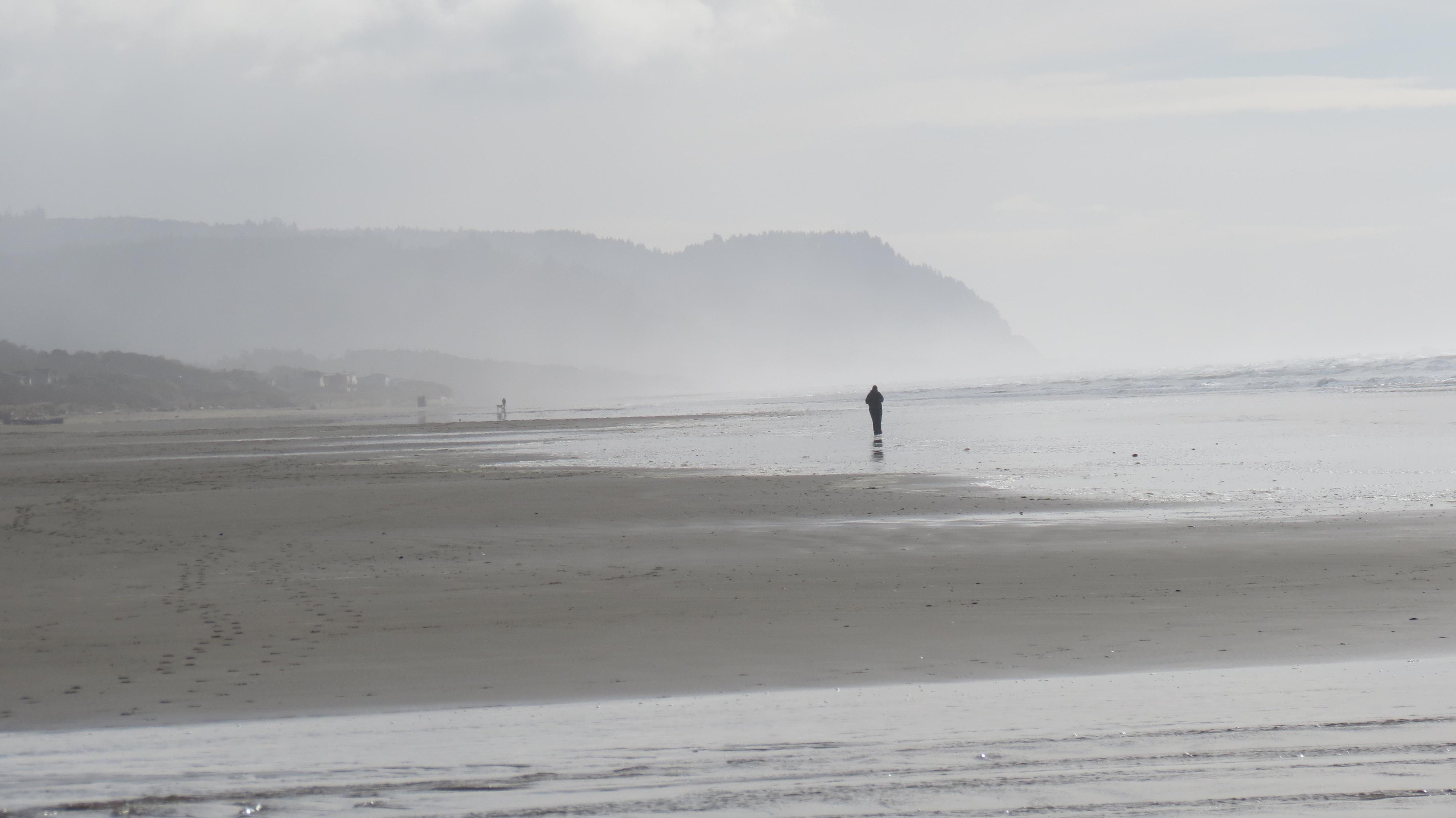
It was cold and windy on the Oregon Coast, as it usually is in February, and what was a pleasant walk along what I think is the most beautiful coast in the US was a difficult hike for these people, who were hungry.  They walked by the memorial to two young high school students from Eugene, who 2 years ago, almost to the day, were on the rocks in the ocean when a “sneaker wave” caught them, and threw them into the ocean.  With incredibly rough seas, slippery steep, sharp rocks, they could not be helped by their 4 companions.  In three minutes, they were dead.  I stared at the rocks for awhile, wondering how probably 4 minutes earlier, the boys had no clue that in 240 seconds, they would no longer exist.

We saw the hikers about 6 miles up the coast the next day, one of them hitchhiking from a bridge, the other two on the other side.  We figured they were hitchhiking one at a time, since their size and their equipment would have made it impossible to fit into most vehicles.  We were only going to Waldport, two miles further, where we walked the beach south a couple of miles.

When we left Waldport, the group was sitting on a bench near a fast food restaurant on the south side of town.  I don’t know where they were going.  I do suspect they were sleeping outdoors, maybe with a tent, probably not with one.  And they were eating, although probably not a great deal.  They did not look like hikers or even people trying to lose weight, which they needed to do, by hiking.  They looked like the homeless in America.  They looked like those who sleep in the parks in downtown Tucson, or those who sleep under bridges in Eugene, Oregon.  Many are homeless veterans, who served the country during the past decade in Iraq and Afghanistan while the 99.5% of us who didn’t were either protesting the war in vain or else assuaged our guilt with yellow ribbons.  Some of the yellow ribbons had a cross inside, which really galled me, as it invoked the idea of a Crusade.
Mind you, I have no love lost for how many Muslims treat women and Christians who live in their land.  Read Sabatina James, or go on her Website, and you hear horror stories of forced marriages, Todesstrafe, which is a death sentence on young women who become westernized, some converting to Christianity, rapes, beatings, acid thrown into the face, stabbings.  Most of this occurring in Europe is from Islamists, not Christians.  Europe has a problem with integration of these people into society, and I think eventually the problem will cross the ocean, and we will have it, too.

But right now we have homeless, hungry people in America, and they aren’t all drunks or lazy slobs.  Many lost their jobs when the rich folks on Wall Street wrecked the economy and got paid large bonuses for doing it.  Many lost their homes which they never should have had, but we don’t educate people very well in dealing with numbers, math, economic circumstances, debt or critical thinking.

Many are bankrupt because they didn’t have health insurance to cover major medical bills, the largest cause of bankruptcy, but we sure held the Democrats responsible for the Affordable Care Act, which turned the House over to the Republicans, who now are grappling with the Tea Party, which is a minority, but seems to think it is their right to obstruct any sort of laws they don’t like.  Were it the Democrats doing this, the Republicans would be howling.  Right now, the Republicans are trying to figure out how to deal with the likes of Rand Paul, who was about as rude as one can be to the Secretary of State, and then showed his ignorance by proffering a theory that there were arms shipments from Libya to Syria.  Ms. Clinton’s body language as well as her verbal language during that exchange defines the word “incredulous,” for those who want to brush up on their English.

The greatest country in the history of the world can’t deal with homelessness and hunger.  We have the means, we have people who can think, develop complex systems, and we have volunteers to do this.  We lack the will, and a few are hung up on the deficit, which Mr. Obama inherited from Mr. Bush, back when Mr. Cheney said “Deficits don’t matter,” which seems to have been conveniently forgotten,  A third of the deficit came from the wars that were off budget and unnecessary.  Probably another sixth, if not more, came from the loss of tax revenues from the crashed economy.  If the stock market plummets, capital gains taxes disappear; indeed, capital losses decrease taxes.  If interest rates fall to zero, one gets a lot fewer 1099 forms in the mail, because there are none for interest payments of fewer than $10 in a year.  Last I checked, the economy crashed mostly before 20 January 2009.  If the sequester continues, we may see it crash again.

Instead of dealing with hunger in the US, we spend time still investigating Benghazi, even though we never did anything to Condoleeza Rice, who ignored the famous 6 August 2001 memo about imminent attacks in the US.  We ignore what is going on in Egypt, Mali, Nigeria, Saudi Arabia, all time bombs ready to explode.  Many Americans couldn’t find any of these countries on a map.  We don’t take a stand on what is happening to women in Muslim countries, which is absolutely appalling.

I’m guilty, too.  I rationalize my way out of it and write stuff that few read and changes nothing.   I rationalize by saying “I can’t fix this problem,”  “I can’t save the world,” or I turn my head, when somebody wants money by saying “I’ll wash your car’s windshield,” which happened the other day in Eugene.  But the next time I’m in Market of Choice, I will buy a $10 coupon that goes to stop hunger in Lane County.  And maybe I will do that every time I am in there.  Darned if I know how I will deal with the homeless; mostly, I am more concerned about homeless animals, since not one of them had any say whatsoever in their plight.  And I have done something about that problem.

But I am human, and I remember what John Donne wrote.  Much as I despise much of what my species does, there is a certain poignancy about seeing a sign that says “It really hurts to be hungry,” not far from a 5 star hotel on the Oregon Coast.  I can rationalize all I want, but the sign and the people existed.  Time for me to stop writing and stop rationalizing.  I’m not sure what I will do, but it is time to do something.

I’m hungry for change.  These people need change to deal with their hunger, not money change, but a country change.

Near where the boys drowned, 2011.

Near where the boys drowned, 2011.

Waldport, Oregon

Waldport, Oregon

MR. POTTER

February 24, 2013

In the coming months I will visit two places which I will call Potterville, Nebraska and Potterville, Minnesota.  You won’t find these towns in a road atlas; they are first defined as if they actually exist, which they would today had Mr. Potter had his way, which so far he hasn’t.  For those who aren’t aware of Potterville, see the movie “It’s a Wonderful Life” next holiday season.

Potterville, Nebraska is a place where Platte River water is used for solely for recreation, irrigation of crops, and drinking.  Cottonwoods and invasives have turned the river into a treelined thin strip of water, often dry.  There are no longer any Lesser Sandhill Cranes there in March.  I’m not sure where they went.  Maybe they went the way of the now extinct Passenger Pigeon, which like the Sandhill Cranes, once darkened the sky.  But I’m talking birds, and to many, birds don’t matter, not if one believes man owns the Earth and all the resources that can be extracted right now, because now matters, and the future….well, that is Potterville, where the special places like the Platte disappeared, as does its water every summer.

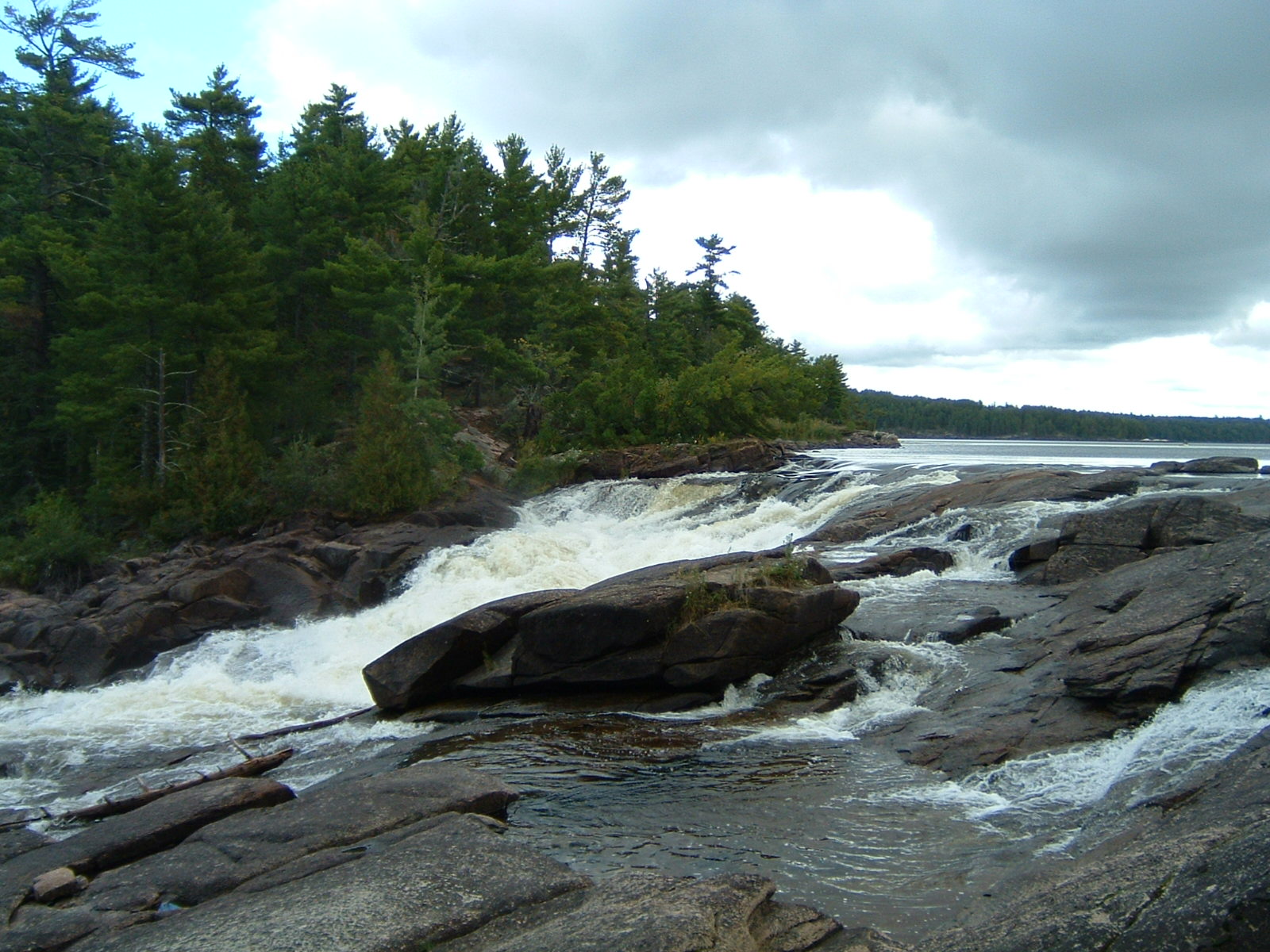
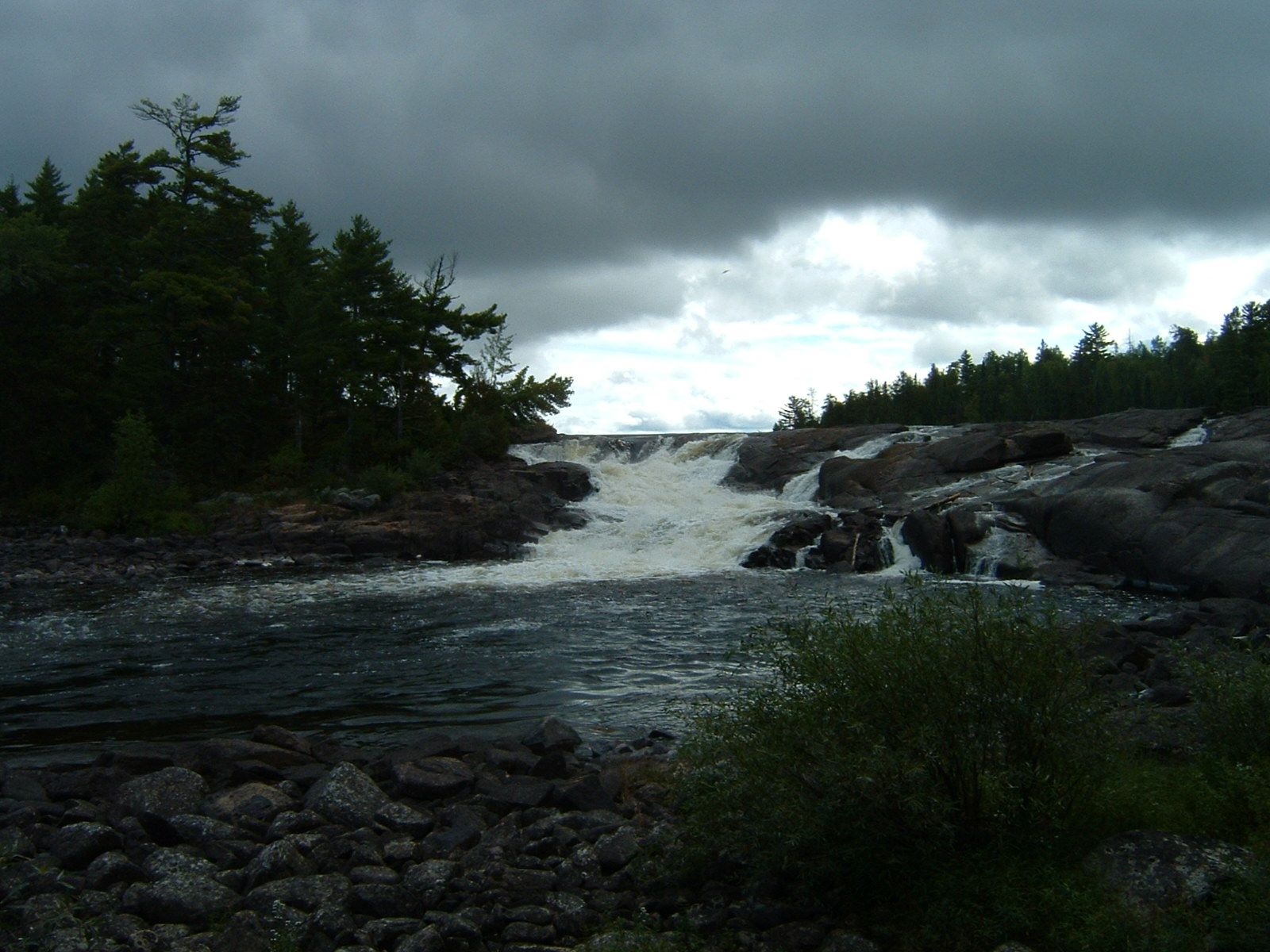
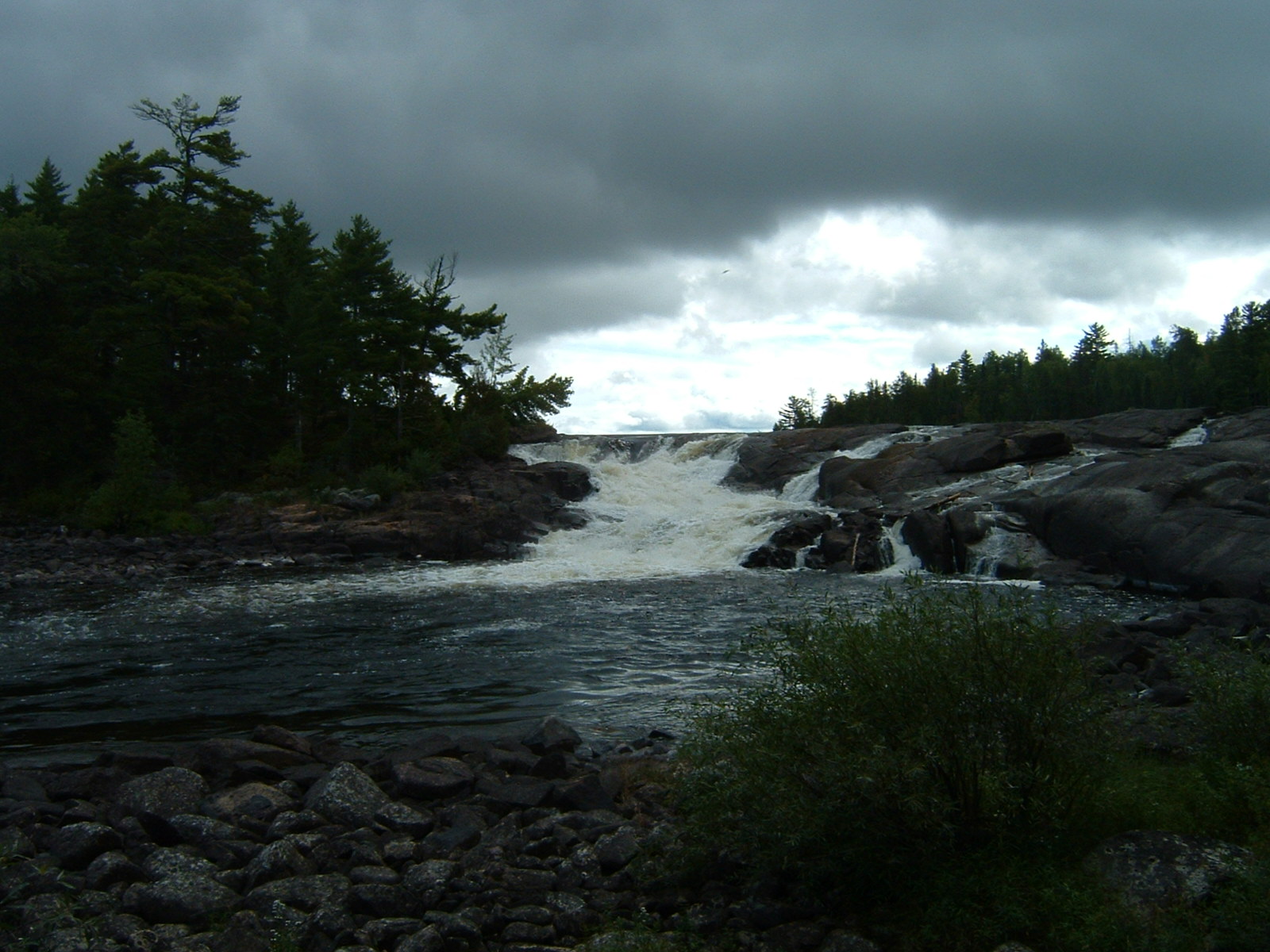
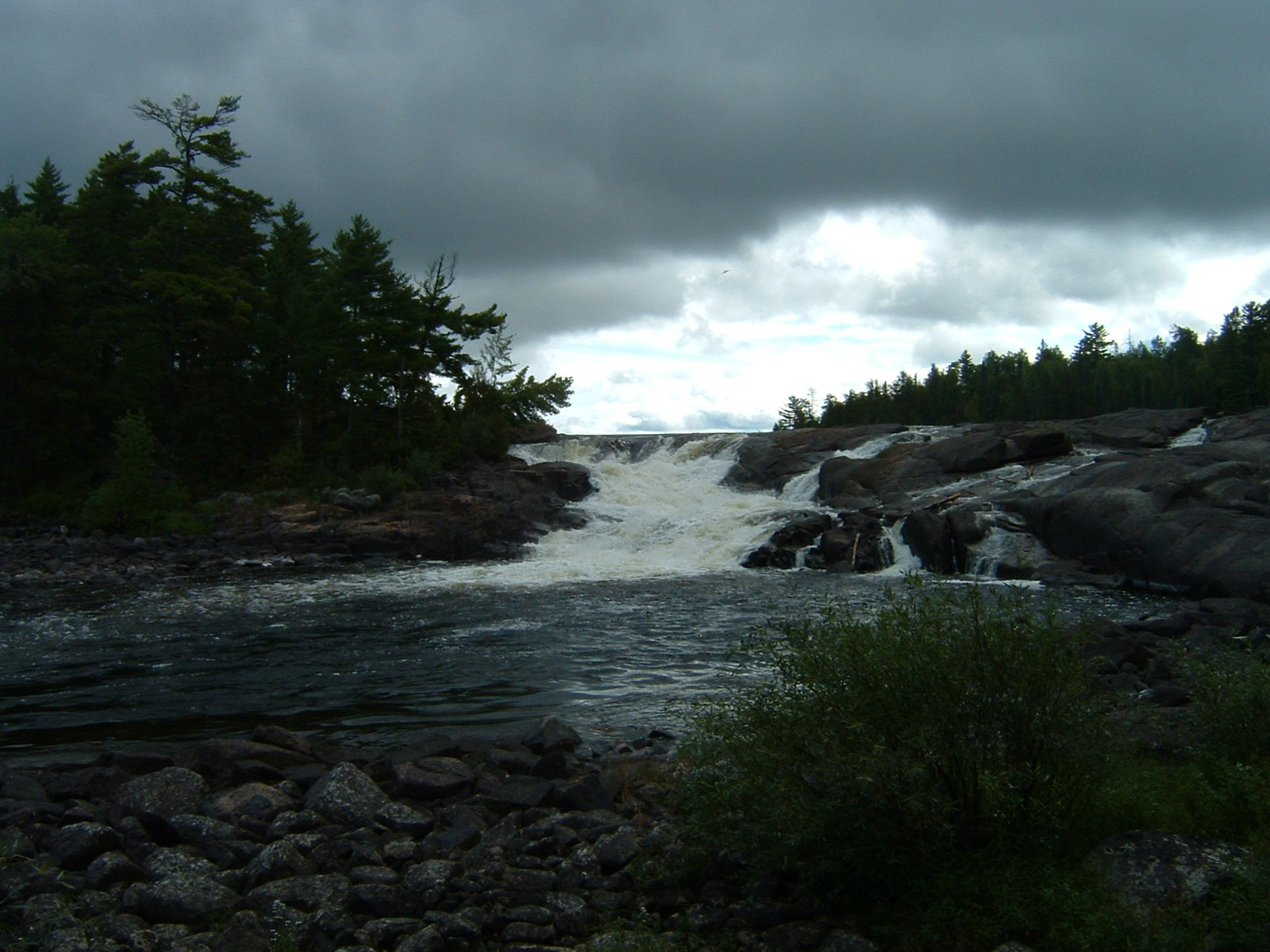
Potterville, Minnesota has many resorts on nearby Basswood Lake, providing guiding and other low paying jobs to those in Ely, Minnesota, where good jobs are scarce.  Crooked Lake is huge, with drowned trees still visible well out from the current shore, the hydroelectric power from Curtain FallsCurtain Falls; Canada on Left, US on right. providing cheap electricity to the mines on the Iron Range.  Two beautiful islands, out in the middle, on the border, are deeply submerged.  I never saw them with the late Mike Manlove.  Nor is there an island near the border, where I would have heard wolves on 25 September 1992, had the island been there.  I never saw Basswood Falls, for it was flooded.   Nor did I see the pictographs that once made Crooked Lake famous, for they were also flooded.  Mr. Potter said 80 years ago we needed jobs at all costs, to support our ever growing population; having smaller families and preserving wilderness just wasn’t–well, an American solution.

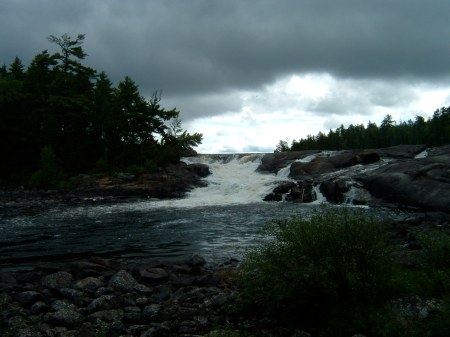
Overhead in Potterville, Minnesota are many aircraft, the noise rivaling that of the Grand Canyon.  No executive order was given by Harry S Truman forbidding flights below 4000 feet over the wilderness, for it had never been done before, and new ways viewing the world and of doing things are not part of Potterville.  In winter, the sound of snowmobiles is heard all through the region.  The last wolf sighting was about 90 years ago.  A sulfide mine has created a lot of jobs, but the water has become extremely polluted, and the mine will close soon.  Unfortunately, the company has gone bankrupt and will not pay for the cost for cleaning up the pollution.  Many said that a mine would pollute and the cost to the environment would not be paid; they were shouted down at town meetings.  Funny how you can’t find anybody in Potterville now who said they were for the mine.    Curtain Falls

But there is no Potterville, Minnesota, thanks in large part to Sigurd F. Olson, one of America’s first wilderness writers, Bill Magie, and many others who fought Potterville tooth and nail, recognizing that the world had changed, and Americans needed wilderness, not to conquer, but to visit, to test themselves, to see sights they couldn’t see anywhere else, and to recover their senses.  Sig Olson knew that we aren’t all that removed from the land, and there are many for whom wilderness is not just an escape, but a requirement for their sanity.  I am one of those.  There aren’t many like me, and most don’t understand us, but we exist.

Sig was once burned in effigy in Ely, Minnesota.  Nevertheless, he persevered until his death in 1982, while snowshoeing near his home, which today is called “Listening Point.”

Because of Sig and others, Curtain Falls is a wilderness cataract, straddling the international border.  Mike Manlove and I saw the lovely two islands, and I heard wolves that September morning out on Crooked Lake.  Basswood River is untouched, and Lower Basswood and Wheelbarrow Falls are beautiful.

Because of a few who fought Mr. Potter in Nebraska, in March there will be a half million Lesser Sandhill Cranes–90% of the world’s population– along a short stretch of the Platte River.  There will be water for the birds, for 4 miles of shoreline are protected by Rowe Sanctuary.  Many thousand people will visit Rowe’s viewing blinds during the 5 week season.  These people will spend several million dollars in Kearney, Nebraska, providing a big boost to the local economy.

Cranes Landing at sunset, 2012

I will guide about 10% of those people, telling them about the cranes, what they mean to me, and how this is one of two great North American migrations.  I will go to Nebraska, paying my own way, sleep on the floor in the gift shop, so I can hear the cranes at night, and work 17 hour days.  I will come home exhausted but thrilled.  There is not a time in the 70 trips I have taken into the blinds where I have not learned something new or seen an absolutely mind boggling sight.

Cranes at sunset, Rowe Sanctuary, 2011

Cranes Landing in Platte, sunset, 2012

Experiences such as mine have no price tag; Mr. Potter thinks everything without a price tag has no value.  He is wrong.  I’m not a hunter, but I think every guy and gal who has sat in a duck blind, gone out in camo on a chilly autumn morning to get a buck thinks that the country they traverse is worth something.  They just can’t put a price tag on it, Mr. Potter.  I can’t put a price tag on seeing 50,000 cranes in the sky at once, watching a crane dancing 100 meters away, hearing the calls at night, watching them kettle, catching the south wind north on their way to perhaps Siberia.  No, I can’t put a price tag on seeing them in Bettles, Alaska, last August, north of the Arctic Circle.

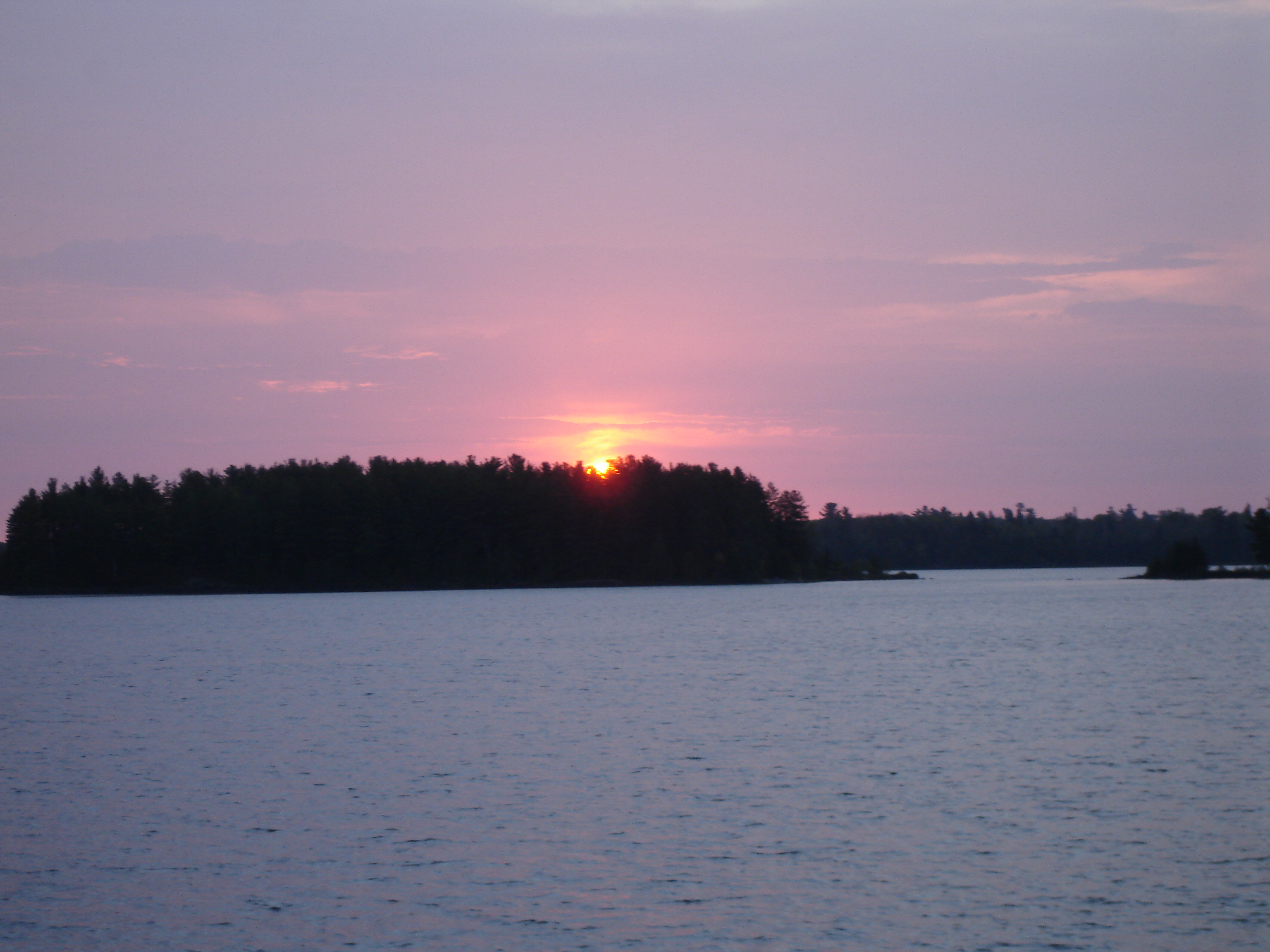
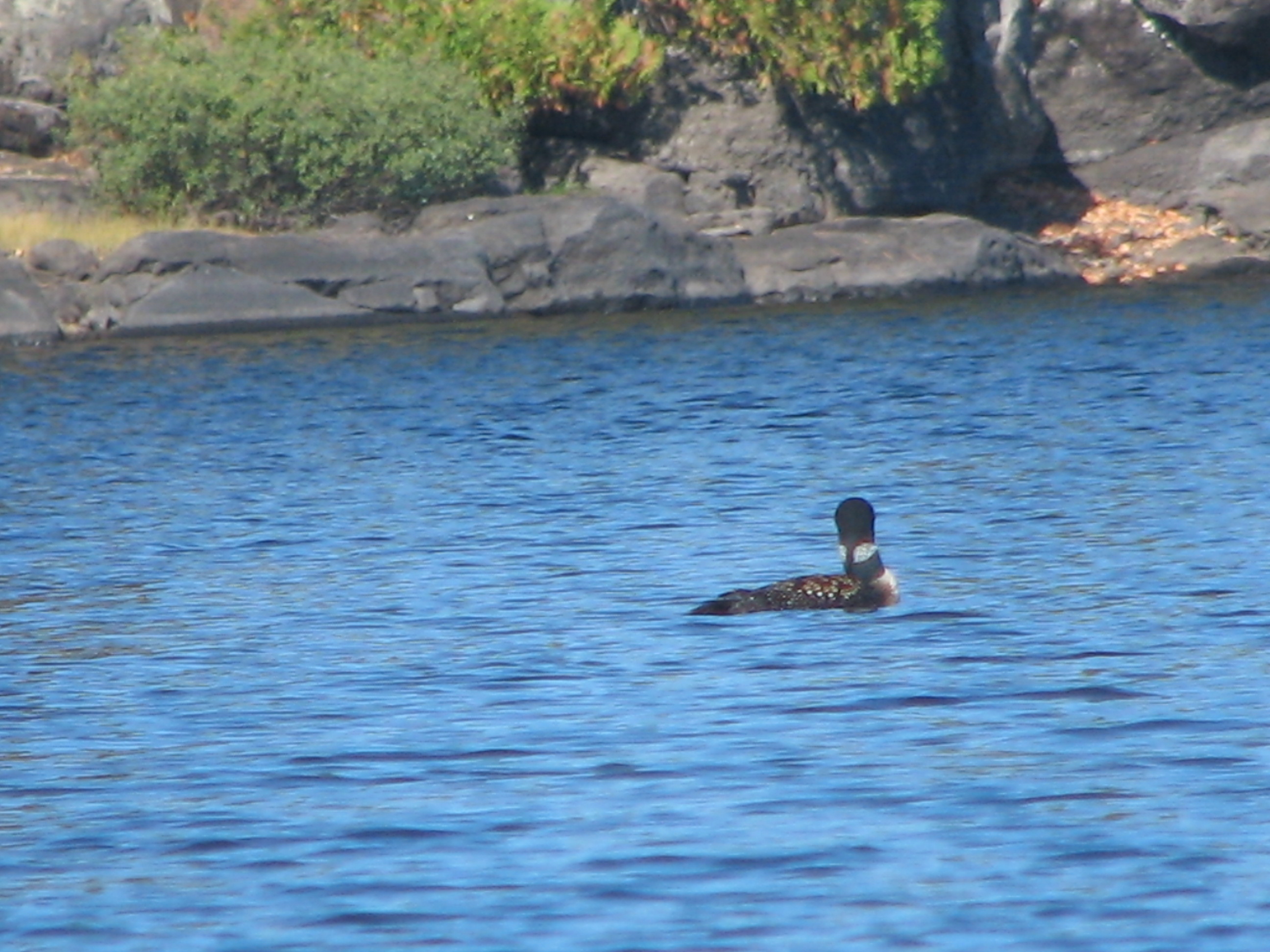
No, Mr. Potter, I can’t put a price tag on making 20 miles in a headwind, hearing wolves at night, sitting by a campfire, not thinking of anything, seeing the Harvest Moon coming up over Lake Insula, hearing the call of a loon at 2 a.m., looking at the darkest skies in the US and being in the largest roadless area in the Lower 49.

Lake Insula sunset

Common Loon

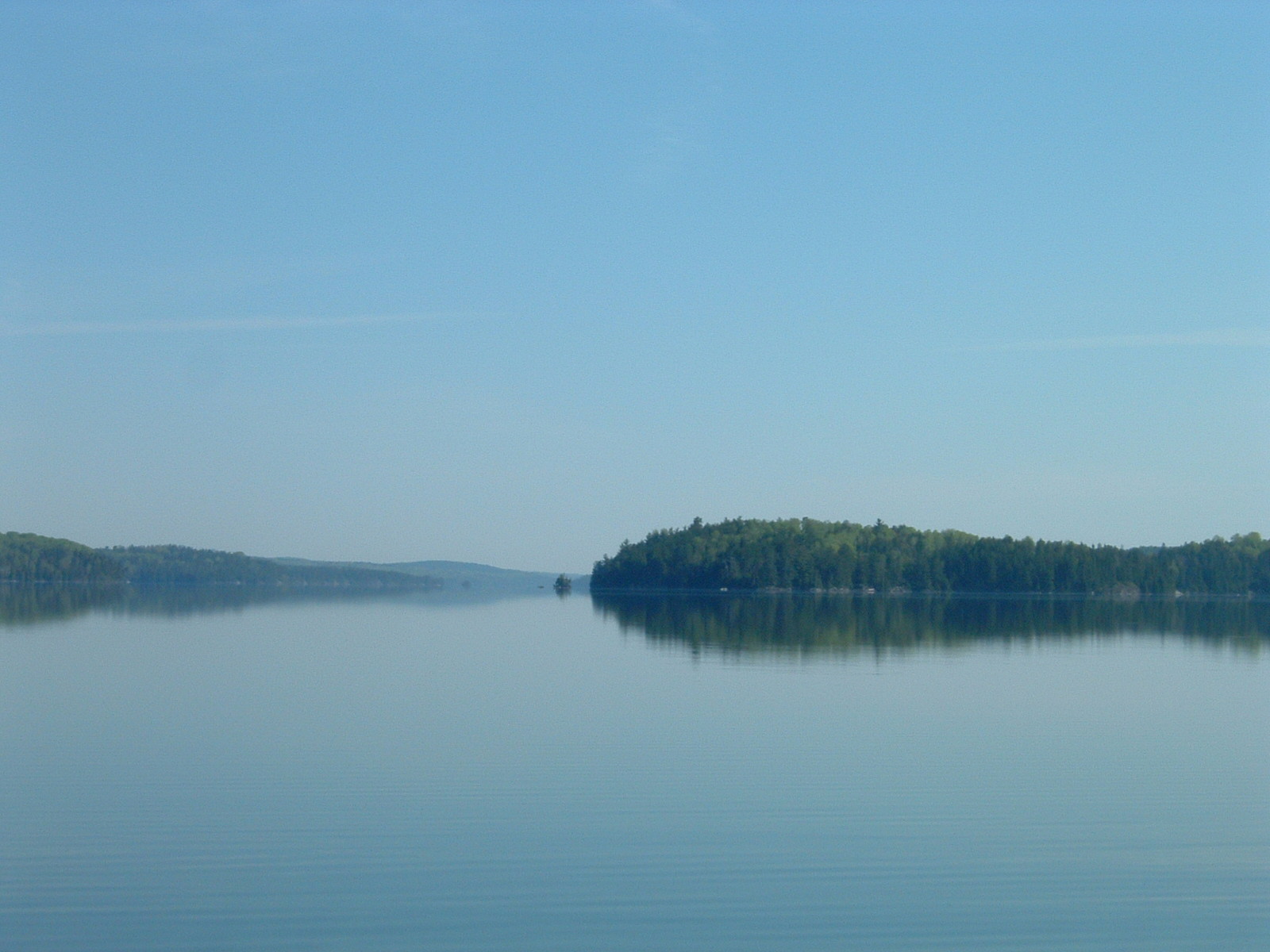
Big Water...vast sweep of Agnes Lake.

Or seeing Curtain Falls, in its natural state.  These things are priceless, Mr. Potter.

In April, I will spend a morning with the Executive Director of the Friends of the Boundary Waters, before going up north to Ely to spend two days on Basswood, not expecting to see anybody, sitting by a campfire, thinking of nothing, and maybe hearing a wolf.  I will be able to drink right out of the lake. I will be by myself, alone in a vast wilderness, which I require visiting periodically to be the person I am.  It’s a birthright of Americans that these places still exist.  But preserving these places must be fought against the Mr. Potters.

The Friends have worked to protect the Boundary Waters, just as Rowe Sanctuary has worked to protect the Platte River.  Both of these organizations, together employing about 8 people, will get about half of whatever estate I leave behind.  After I come out of the woods, I will attend the Vermilion Community College Scholarship Banquet, where I will give 3 scholarships I have created or helped fund.  Supporting VCC means a great deal to me.  It is a special night for many students.  Jobs are scarce, and the father of a young woman who was the second recipient of our scholarships wanted his daughter not to follow him into the mines.  He is not alone.  Money goes a long way in northern Minnesota and rural Nebraska.
It can cause or prevent Pottervilles. I’m trying to prevent them, but the battle can not be lost.

Not even once.

DOING BETTER THAN BIG GOVERNMENT, AND GOVERNMENT IS HAPPY ABOUT IT.

February 18, 2013

Sea Lion Caves is a privately owned business on US 101 north of Florence, Oregon.  In the 130 years since its discovery, there have been several owners, and in 1932 the 3 then-partners sold the property.  One of the buyers has since kept the business in the family.  This was one of the best things to have happened to the Caves.  Indeed, Sea Lion Caves is a model for how we can act without “big government.”

In 1977, a move to have the Oregon State Government take over Sea Lion Caves failed.  The government saw that the owners were protecting the resource–the largest cave known on a mainland for sea lions–and at the same time making a profit and employing many people; indeed, the Caves are one of the major employers on the Oregon Coast.

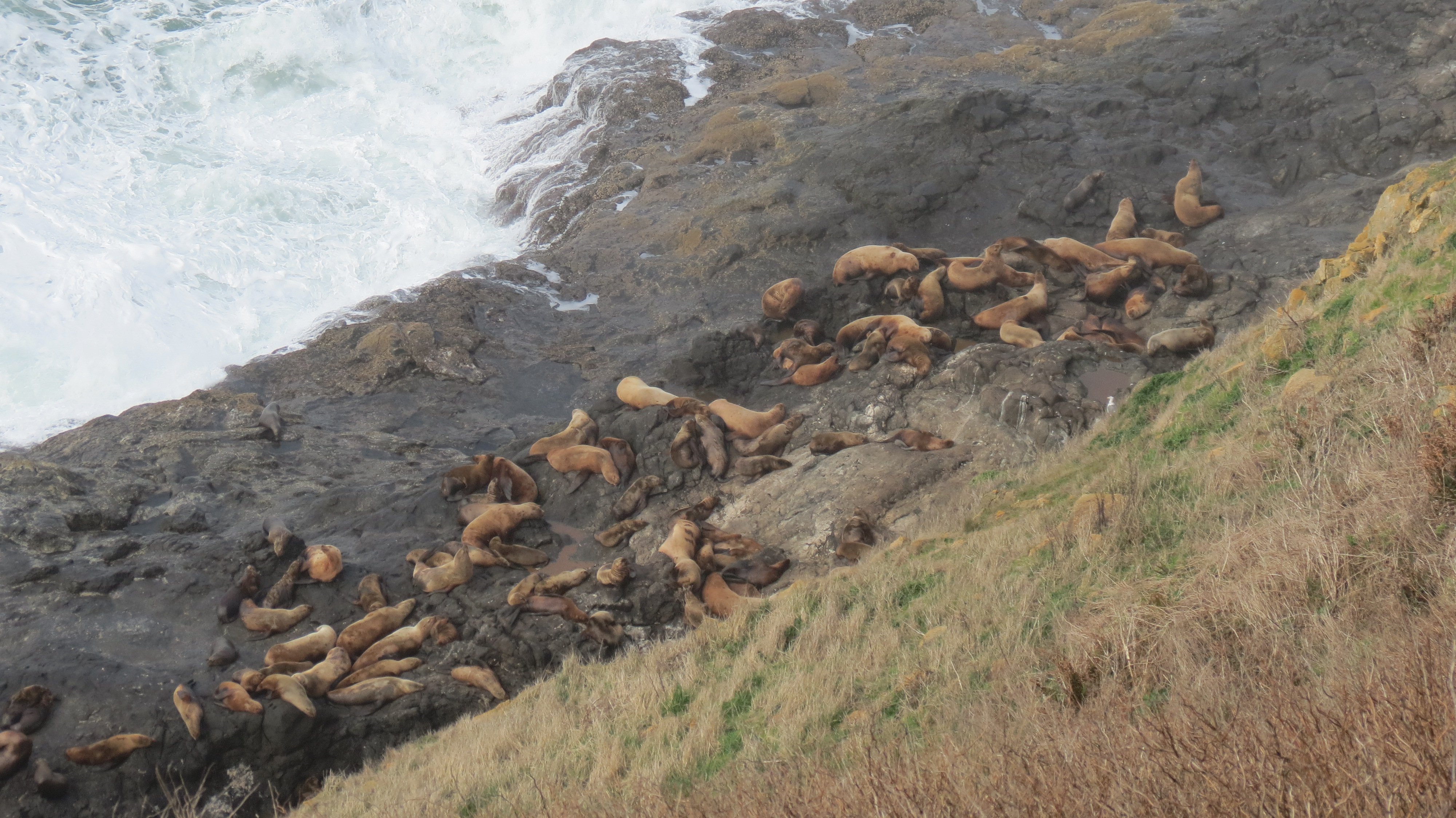
Were the Caves to be developed today, there would be too many restrictions placed on the owners, and the business would either be abandoned, or else the admission price, $12 for adults, would be much higher.  In order to have a more high tech building, permits would be required from 25 to 30 government agencies, as well as strong restrictions upon sewage disposal, which exist along the coast.  The owners have dealt with these issues successfully, and their goal is to keep the caves for the Sea Lions and not change what is currently working.  There is a lovely walkway to an overlook of dozens of Sea Lions, followed by another walkway to an elevator that takes people down 60 meters to a large cavern, where the Sea Lions can be seen at ocean level, and where there are many exhibits giving information about these large creatures.

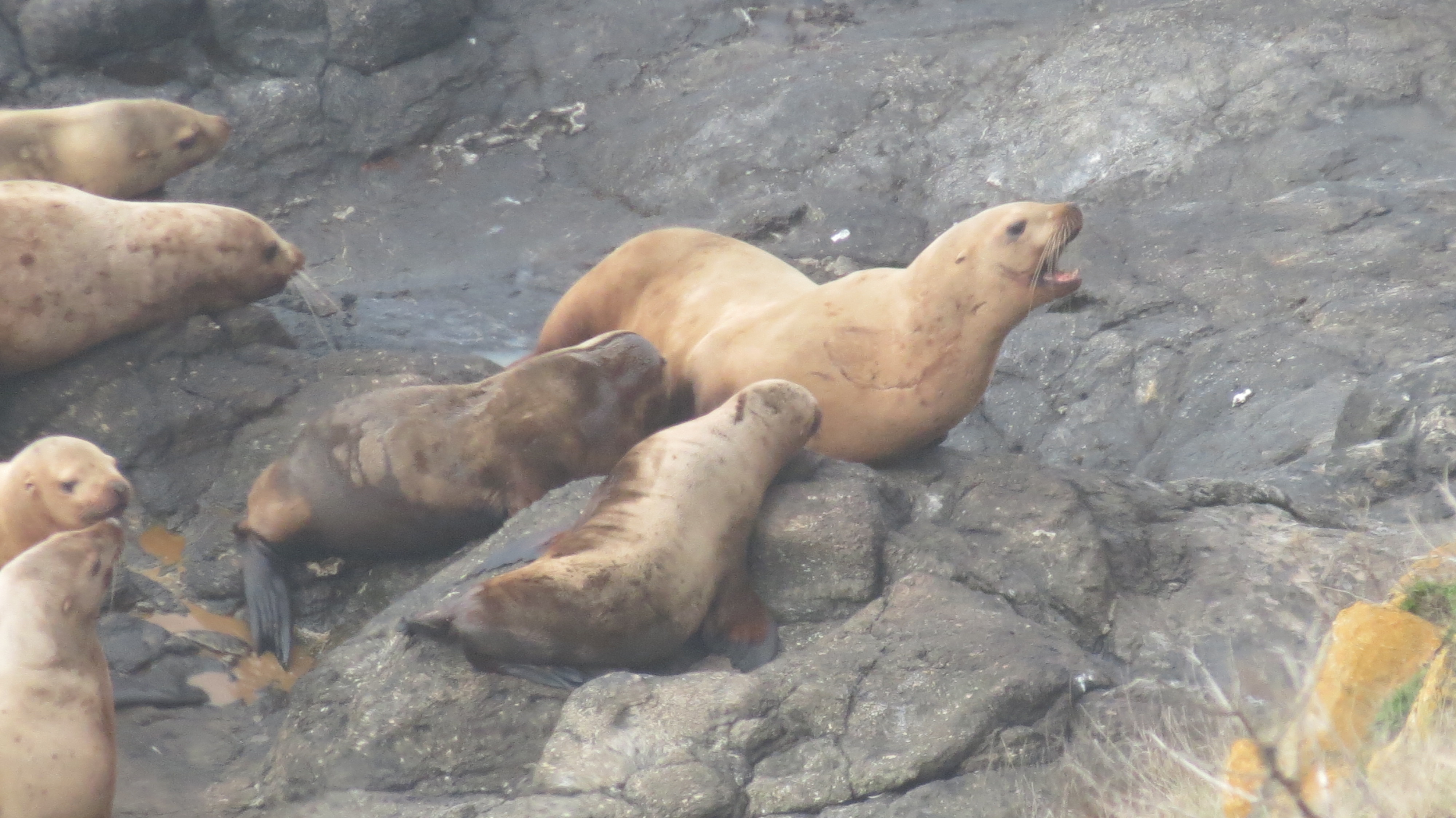
Group of sea lions from walkway.

Sea Lion viewed from 150 meters.

All of this has been done with private business, is in good taste, is not a tourist trap, and generates jobs and profits every year, despite $15,000 in shoplifting expenses annually.  Even the poor creature that was a victim of a gunshot wound–by some individual who should never be allowed to own a firearm–has her skeleton displayed, so at least people can learn something additional about the animals.

In these pages, I have often commented how government regulation is needed, because people are simply unable to regulate themselves. Most of the time, I have been correct.

In the instance of Sea Lion Caves, however, government regulation was considered and declined.  Then governor Robert Straub stated: “I am proud that here in Oregon a private organization has shown that it can . . . develop and protect such a great natural resource and attraction – and still show a profit.”  It isn’t surprising to me that such occurred in Oregon, where so many aspects of the state are ahead of the rest of the country.

If we want less government, we would do well to heed the lessons of Sea Lion Caves.  When people adequately regulate themselves, the need for government to do the job is lessened or eliminated outright.  Had doctors regulated themselves with regards to qualifications and quality, there would be no hassles with Joint Commission or other accreditation, a lot less malpractice, a lot better quality, a lot fewer errors, and problems like HIPAA, or patient privacy, would not be the annoyances they are today.  I would go so far to say that every regulation has a reason, and that reason usually has to do with an individual or a group who failed to act responsibly.  It does not have to be that way, and on a remote stretch of US101, it is not.

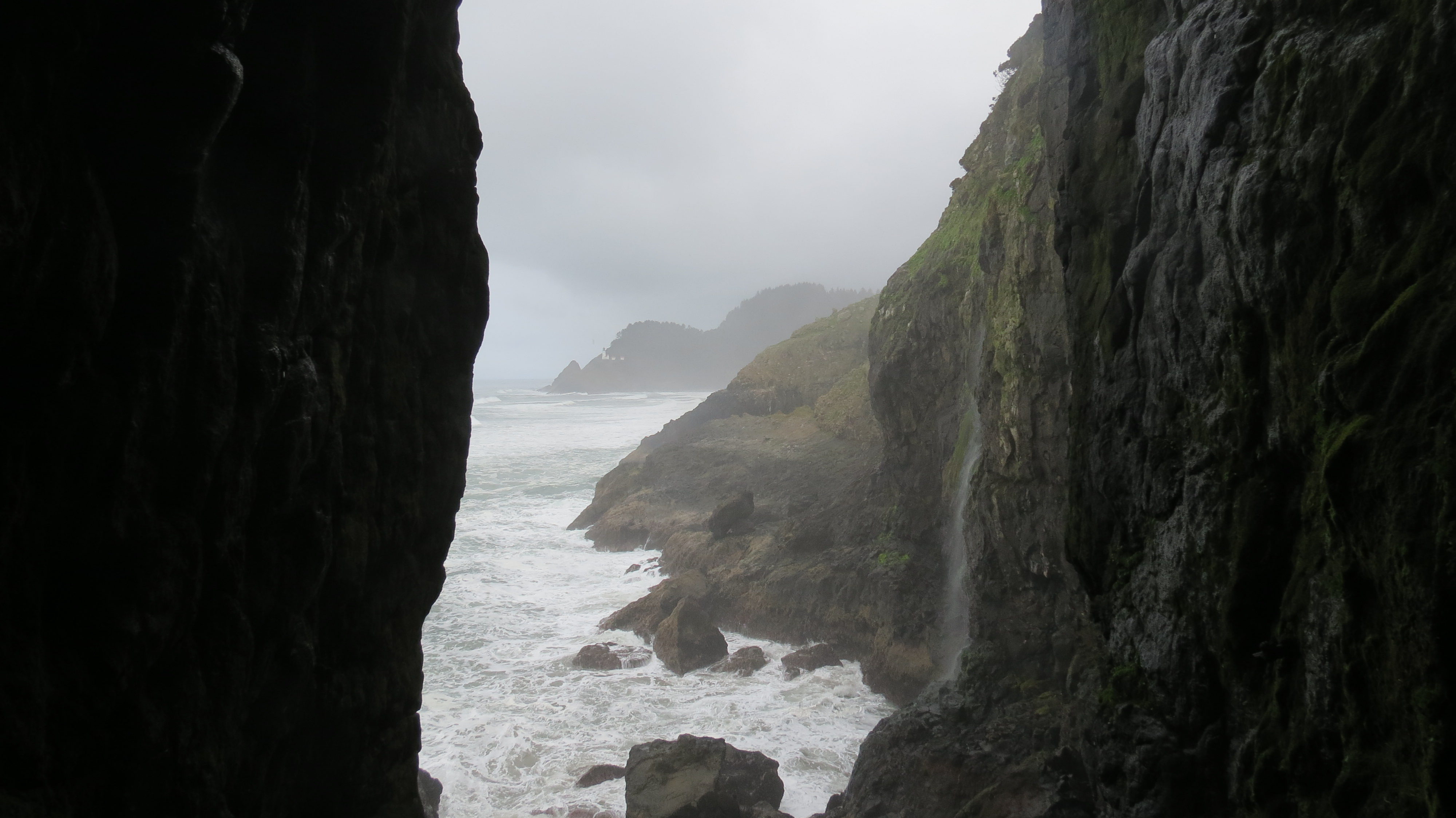
View to north and Hecate Lighthouse Sea Lion bull in cave Bull Group of Sea Lions

Sea Lion viewed from 150 meters.

ONE OF LIFE’S GREATEST GIFTS–LOVING TO READ

February 13, 2013

The other day, while substitute teaching in Math, I had a student in my class whom I had tutored last year in chemistry.  She is a smart, young woman, took AP Stats as a junior and did well in all subjects.  When I tutored her, she was prepared, her thinking was good, and she needed only a little more confidence in trusting her judgment, which was excellent.

She showed me a book, printed in 1902, that she had bought for $6 at a book show.  She was so excited to have the book; I cannot imagine more than a handful of students in the school would have thought an old book was worth buying.  I would have several such books myself, if it were not for the fact that we have limited space in the house and are planning to move.

She then asked me for my favorite book.  That’s a difficult question.  I have been reading since I was 2; my mother, before she died, wrote the story of how I learned words, asked questions, and bothered my father often while he was reading the newspaper, pointing out the words I knew and learning new ones from him.  My mother was an avid reader; I don’t ever remember seeing my mother without a book nearby.

I will never be a technical mountain climber, but there are very few books about mountaineering that I haven’t read.  I almost feel I know the way up Mt. Everest from both sides, because I have read so many books about it.

I learned quickly that books were an escape.  One can go anywhere in the world with a good book, and I have.  One can go to other worlds, to other times, forward and back, and thoroughly enjoy the escape.  One learns vocabulary from books.  For years, I never used a dictionary, learning words by context.  When I scored in the mid 500s on my Verbal PSAT, I started looking up every word I didn’t know.  I improved my score 100 points the following year.  Even when I read books in German, I look up words.  Some say one shouldn’t do that, but learning words by context is a recipe that doesn’t work for me and can become very embarrassing (gift=poison in German).

I love wilderness books, and I have read everything Sig Olson wrote.  I read his book, The Lonely Land, 5 times, a canoe trip in Saskatchewan that he and five others took in the mid ‘50s.  I hope to finally see Saskatchewan this summer and canoe part of the route that they took.  Sam Cook of the Duluth Herald-Tribune is a modern day Sig.

I also have read The Rise and Fall of the Third Reich at least five times, too, and have been astounded at how easy Hitler could have been stopped so many times but wasn’t.  There are lessons today for us to learn, if we will only learn them.  Storms of my Grandchildren, by NASA’s James Hansen, chronicles his attempts to push Americans towards dealing with climate change.  Recently, I read that the Arizona legislature wants teachers to teach the “other side” of both climate change and evolution.  I actually did just that last week, when I talked about confidence intervals, for “the other side” has not shown me their confidence in their contention that there is no man-made climate change.  A statistical colleague of mine, a good friend, once discussed at Georgetown how long Social Security would last in the US.  One of his students worked for a senator and said he had the answer in a “position paper.”  My friend asked whether there was a confidence interval for the data.  When the answer was “no,” my friend declined to look at the paper.

We live in a world full of uncertainty.  Therefore, we must understand and use probabilistic thinking.   It’s all well and good to say what ought not to happen, but to deny reality is magical thinking:  believing if you hope hard enough, good things will happen.  This does not work, any more than what Steve Jobs, a brilliant man, believed about iPhone antennas.  Years ago, Richard Feynmann, even more brilliant, said:  “For a successful technology to work, reality has to take place over public relations, for nature cannot be fooled.”

I live between two worlds in at least three different ways:  cities and wilderness, calculators and fast mental estimation, and electronic and covered books. When I bought my Kindle, I increased my reading dramatically.  I was amazed by how I could listen to an author being interviewed by Moira Gunn, then going to an electronic reader and within a matter of seconds, having the words–the book– in my possession.  But other books, specifically German, are much better when I can look at the pages, go back and forth more quickly, and not worry about a battery.  I use both online and paper dictionaries; both have advantages.  I am not particularly skilled with TI calculators.  I grew up in the slide rule era; I also can do calculations in my head.  I can sketch graphs fairly quickly, and I can do a lot of probability calculations quickly.  Calculators, however, add another dimension to my life, and I use them, not expertly, but for those things where it truly is faster and easier, like determining confidence intervals in a large set of data.

I will look up simple facts on the Internet; more complex explanations I will either print or buy the book.  Thirty years ago, we had only books; thirty years from now, it isn’t clear we will have.  It is quite clear we will have a word’s appearing somewhere, and if we choose properly, we will discover new facts, new worlds, new ideas, and maybe change the order and content of those words, or those equations, and make our world something that is has never been before.

Books offer the power to do that.

QUANTIFYING UNCERTAINTY IN AN UNCERTAIN WORLD

February 10, 2013

In November, 1958, three boy scouts died on Mt. Wrightston, a 2900 meter peak (9453 feet) that rises 1200 meters from the valley floor.  Mt. Wrightston is my favorite hike in southern Arizona.  I have camped on Baldy Saddle (2600 meters) 5 different times, in snow and hot weather, and I have been to the top another dozen times.  On Baldy Saddle, one has simultaneous views below to the western desert, where Green Valley and I-19 are located, and to the eastern valley, where Sonoita and Sierra Vista are visible.  I’ve been on the summit at sunset, alone, with s spectacular 360 degree view and swifts soaring above me.

The scouts died because they hiked in a warm day, and a sudden cold front hit them, with a heavy early season snowfall.  They died from falling and hypothermia.  Today, this would not likely happen.  Weather predictions would have warned against a heavy snowfall, and the warm weather (“the warm before the storm”) would not have changed a winter storm watch, which today would have been posted.  This scenario is playing out in New England as I write.

Weather models showed that a storm would hit New England on the second weekend in February.  On Thursday night, New England was clear.  But every weather model and weather forecaster predicted that two storms, at the time about 1600 km from each other and from New England, would strike New England the next day.  This is exactly what happened.  This is science helping give people time to get emergency supplies and be prepared.  We aren’t praying our way out of this storm:  it is coming, we know where it will be, and we will have a good idea of how much snow will fall.  There will be some differences from what is forecasted, but the major event will take place, and it is science that is used to make this forecast.  I stress science, because members of the House Science Committee included Todd Akin, of “a woman’s body blocking pregnancy from illegitimate rape” fame, and Paul Broun, who, still present, doesn’t believe in climate change, the Big Bang Theory, and evolution.  He does believe in the pit of hell, for which I have no evidence; I have plenty of evidence supporting the other three concepts.  Broun and others would love to defund NOAA and the NWS, hoping, presumably that their states (Missouri and Georgia) would not be devastated by either tornadoes or hurricanes.  Given their location and climatology, this is not likely to occur.

Indeed, this is crazy thinking, and I can’t put it any other way.  We can predict with high confidence major tornado outbreaks and hurricane landfalls and strength.  To stop funding these organizations is akin to being the Taliban in this country, and I know exactly what I am saying.  Both of these men, in fact, are more restrictive on abortion than is the Taliban, and that is also a fact.  But back to science.

When I practiced neurology, I used to anti-coagulate patients with posterior circulation strokes, because at the time, this was felt to be the appropriate treatment.  It became evident that the consequences of anticoagulation were worse than any potential benefits, and I had to stop the practice.  That is science acting.  I did what I thought was best, and when it did not work, I changed what I did.  Many doctors, when faced with evidence that surgery for asymptomatic carotid artery stenois was more risky than no surgery, still operated.  I took a great deal of heat for my beliefs, but I changed my practice.

A while back, I got into a Facebook argument with someone who did not believe that manmade climate change was occurring.  He asked me to make my case without using models.  Why?  Perhaps it was because this individual was a realtor, and we all know what happened to the housing market, when mathematical models failed to include the possibility that prices might actually decline.  The fact that one is a realtor and not a scientist does not a priori make his arguments specious, but his quoting a magazine that was not scientific and had significant right-wing biases in unrelated articles hurt his case.
The Facebook argument occurred for a short while, before I quit, out of respect for the individual’s “wall” on which I was posting.  I let my “opponent” have the last word.  What he used as “proof” was an 8 year trend line, without regression diagnostics, that showed the Earth was cooling.
Let’s discuss trend lines briefly.  They are regression analyses of scatter plots, data points tracked on two axes.  For a regression analysis to be accurate, one has to assume the residuals, the difference between a data point and the line generated, are normally distributed (have a Gaussian distribution or a bell curve) with equal variance.  Regression requires this.  In addition, there are several other diagnostics one should use, looking at outliers and other aspects of the data.  Nowhere in the article that the person quoted was any of this mentioned.

Why would I not use models?  Statisticians use models all the time; most scientists do.  We model the weather using a variety of weather models.  I find some to be very good; the predicted rain and strong cooling that Tucson has as I write was a significant likelihood to me about a week ago.  I could see the jet stream predictions, and when they held up day after day, I became more confident.

We model the Earth’s climate the same way.  The fact that models may be wrong does not make them a bad idea.  The fact that models differ does not negate the whole concept of modeling.  Models may use different initial conditions and handle variables differently.  They change over time, as new data become available.  What we believe in science changes with time as we get more data.  But climate change models are all trending in the same direction; the biggest area of disagreement is that they appear to be underpredicting what is going to happen.

The classic issue of weather modeling occurs with hurricanes, where there are “spaghetti” models–several–each indicating a slightly different track.  Next hurricane season, follow these tracks from the beginning through the end of the hurricane.  Notice how the uncertainty gradually decreases; indeed, the uncertainty in forecasts is far less than it was 25 years ago.  There is not a weatherman discussing these models who does not allude to uncertainty and multiple possibilities.  The fact that there is uncertainty doesn’t mean the models are worthless and that we know little.  The world is uncertain, including the high temperature tomorrow, although we can quantify the uncertainty very well.

Let me quantify uncertainty a little better, using a common example.  If you throw two dice, there are 11 different sums they may show.  To some people, each sum has the same probability.  Anything can happen.  But if I were betting, I would put my money on the sum being 7, and if I were allowed three different sums, I would choose 6, 7, and 8.  These are far more probable then the others: a sum of 2 has a 1/36  probability; a sum of 7 has a 1/6 probability; 6,7,or 8 has a 4/9 probability.  Roll dice 100 times, and you won’t get these exact numbers, but you will be very close to them.  Roll them 1000 times, and you will be very, very close, but probably not exact.

I believe low probability events are poorly understood by many.  The probability of winning Power Ball is about 1 in 110 million.  If we have 220 million players, we would expect 2 winners.  We might, however, have 0,1,2,3,4,5,6,7 or 8 winners.  But 98% of the time there will be 5 or fewer winners, and there is a 1 in 7 chance that nobody will win.  An individual’s chance of winning, however, YOUR chance, is equivalent to picking a random minute I choose between today and the signing of the Declaration of Independence.  Small wonder some call gambling a tax on those who do not understand math or probability.

In Carl Sagan’s book , The Demon-Haunted World, Science as a Candle in the Darkness, he alludes to one problem that really bothers many religious people about science:  science is often right.  We can pray our kids don’t get polio, or we can vaccinate them.  Vaccination has practically eliminated polio in this country–for now.  I am concerned what will happen when a very large cohort of unvaccinated children here are exposed to the virus, which they will be.  Religion and science really aren’t at odds, but when either is misused, it causes a lot of problems.

I am going to Uganda in November, because on the 3rd, in the late afternoon, there will be a 22 second total solar eclipse.  I didn’t pray for this eclipse, I didn’t read it in any religious work, and I’m not wishing and hoping for it, except for clear skies in which to see it, because we cannot yet predict local weather months in advance.  Climatologically, there is a decent probability, but on the given day, it is quite likely I may not see the eclipse, even though it will take place.

I am alive today because scientists found cures for Group A Streptcoccus, which infected me many times, and I got neither rheumatic fever nor acute glomerulonephritis.  From science came the concept of putting a pin in a femoral neck fracture, so when I broke my hip, an orthopedist could put me back together.  So I could walk.  And run.

And hopefully see a total solar eclipse in Uganda.